
709 – Adam Levy’s Secrets to Success of Top-Level Dual Dogs
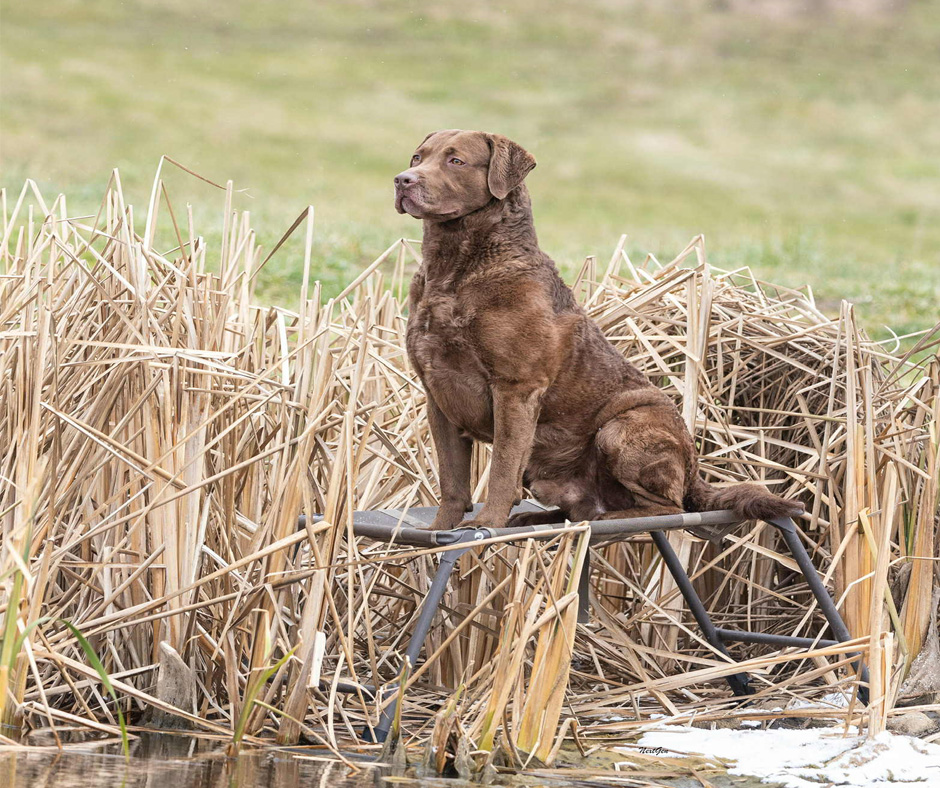
Adam Levy’s Secrets to Success of Top-Level Dual Dogs
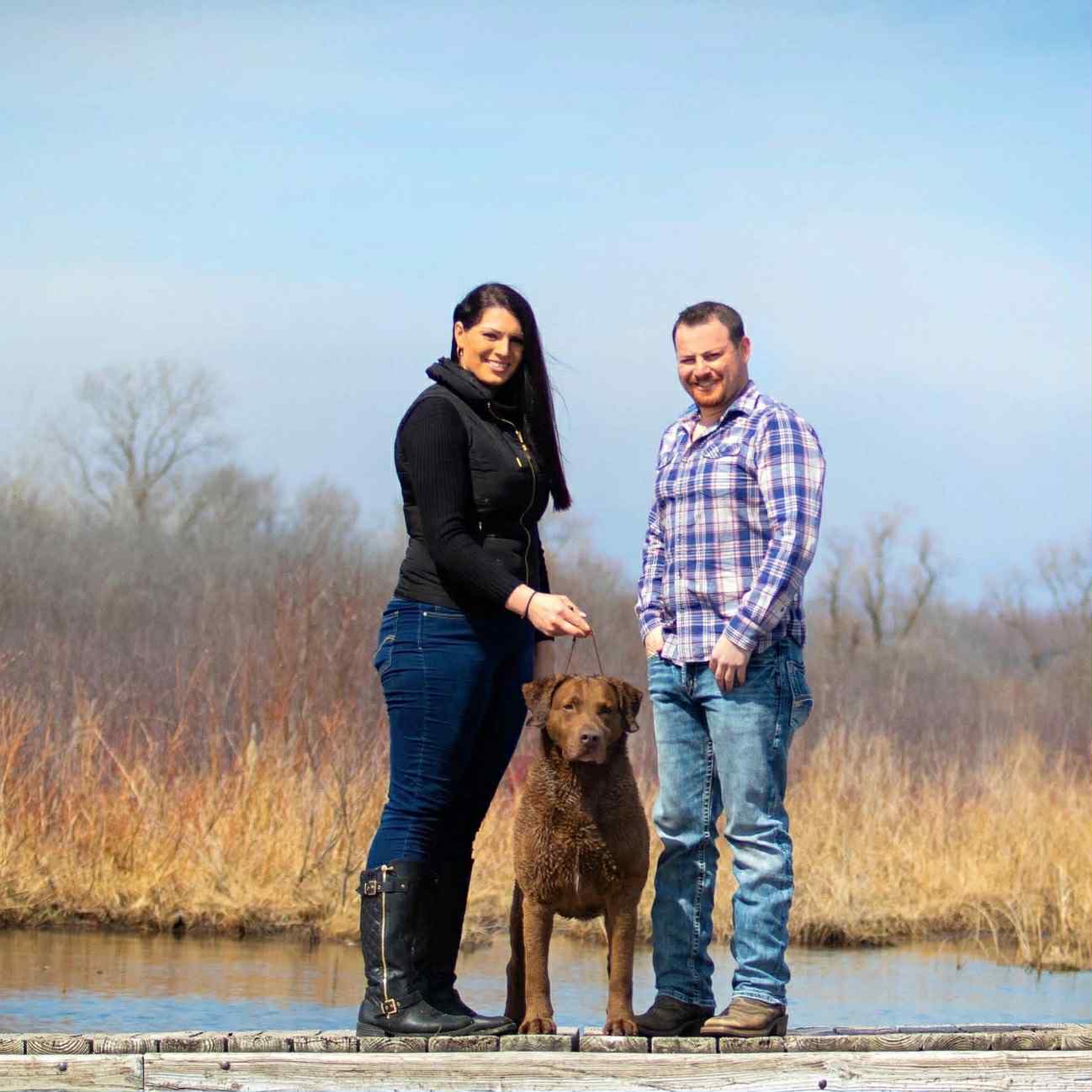
Adam Levy and Devon Kipp Levy work magic emphasizing the dual dog.
Host Laura Reeves is joined by Adam Levy, breeder of Chesapeake Bay Retrievers, to talk dual dogs, retriever tests and what it takes to be successful at the top.
Levy started in Chessies 16 years ago. In that time he has bred five BIS winners, including two with MH titles and field trial points. Working with his business partner Andrew Barbouche, Levy operates Next Generation Gundog Training in Minnesota.
“Just because a dog is pretty or well put together or just because a dog has got a master hunter title, doesn’t mean the dog should be bred, doesn’t mean that it should really keep producing forward,” Levy said.
“I don’t mind a soft dog,” Levy noted. “I don’t think that is a bad thing. As long as you have some grit behind you, I don’t care if you have to kind of slow everything down and get them through the yard, as long as they have some good grit to them and they have that desire for themselves.
“I won’t take a quitter. A dog that wants to quit is just a big no-no for me and a dog that just doesn’t look good doing the job that you’ve asked them to do. You know, we have to remember that the standard was meant to be able to have a dog that can last long.
“I wanna be hunting with my 10-year-old dog. I don’t want to be fighting through injuries because I’ve hunted this dog. I was just in Canada and we shot 1000 birds over a couple days. I want to be able to hunt that dog every day without it being sore or breaking down. So being able to be structurally sound and being able to have the brain to do the job that you asked them to do, those are must haves for me.
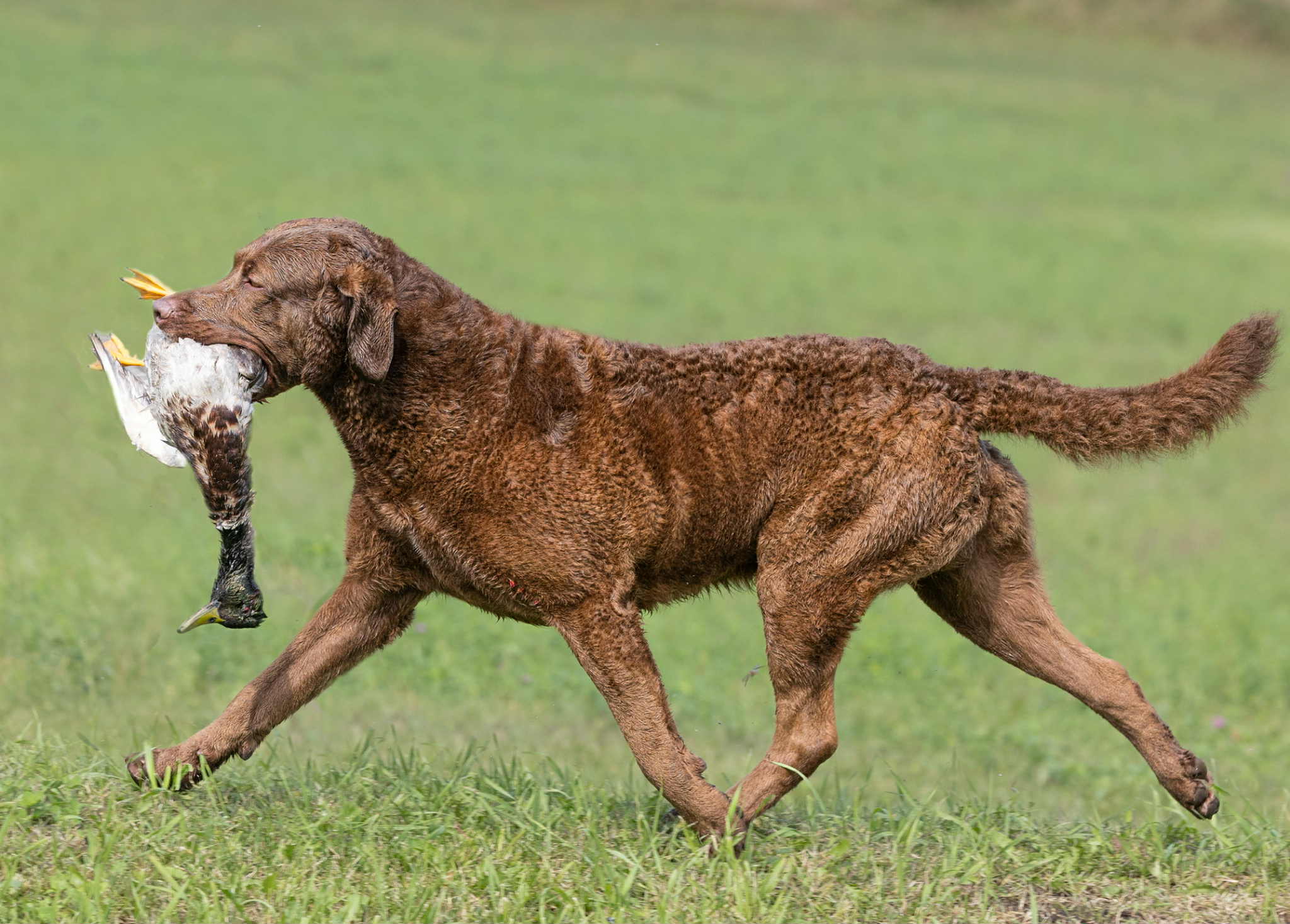
Levy focuses on dogs with the structure and the brains to work all day.
“And being able to have the willingness to “cut” a dog from a program because they’re not that. And I think that’s the hardest thing for breeders nowadays or people that can’t have large numbers of dogs, they don’t want to cut the one or two dogs that they have living in their house. And so I think that’s where we kind of get stuck in mediocrity sometimes.
Levy married Devon Kipp Levy in 2021. This powerhouse couple combines the field and show elements of their dual dogs in an enviable manner.
“Devon is somebody that has such a great eye and is so talented hands on with a dog. I really get to see what a dog really looks like to their full potential with her. And I think it’s definitely taken the breeding program to heights at a faster rate that I could have ever imagined. And it doesn’t even have to do with the ribbons or winning. It’s just being able to really see a dog move properly and watching a dog, you know, what they really look like. And being able to talk about those things.
“Emotion needs to come out of breeding. And we should love our dogs and our dogs should be our pets and sleeping in our bed and love our dogs like they’re our own family. But when it comes to breeding, you need to take the emotion out of it.
“You have to make the right decisions for your breeding program and for the breed. That’s the hardest thing. (People think) “it’s the best dog I ever had so I want to breed him.” Just because he’s the best dog that you’ve ever had doesn’t mean that it’s going to help advance the breed.”
655 — Nancy Talbott on Dual Dogs and Breed Specific Judging
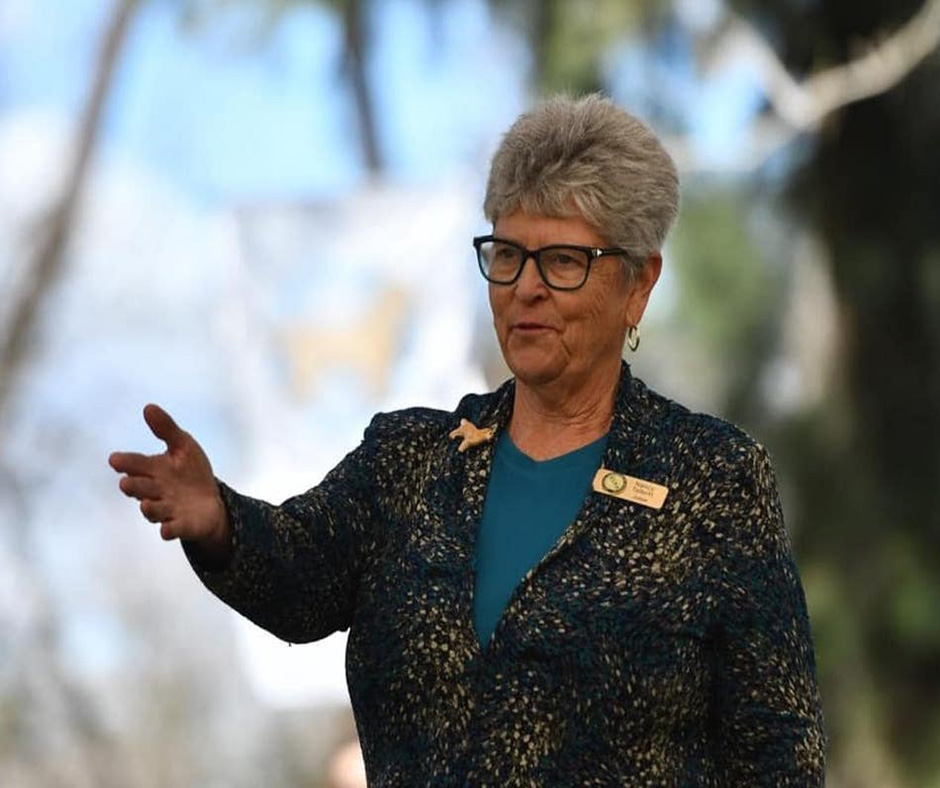
Nancy Talbott on Dual Dogs and Breed Specific Judging
AKC judge Nancy Talbott joins host Laura Reeves for an in depth discussion on the philosophy of dual purpose dogs and breed specific judging.
“I didn’t really embrace or understand the significant division between show and field until I started showing more and conformation,” Talbott said. “And then it started to really strike me, and increasingly, and continuing to strike me at just how extreme, not just conformation and conformation breeders, but also field and field breeders had become. The word extreme should never be in the vocabulary about a Golden Retriever in any way, physically, mentally, energy level, any of that.