
Posts by Laura Reeves
89 – Italian Greyhounds and Lilian Barber: From the Holocaust to La Scala Italian Greyhounds
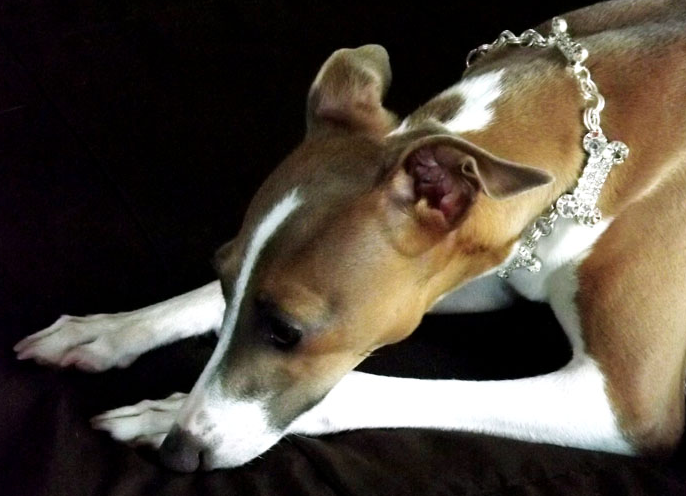
Italian Greyhounds and Lilian Barber
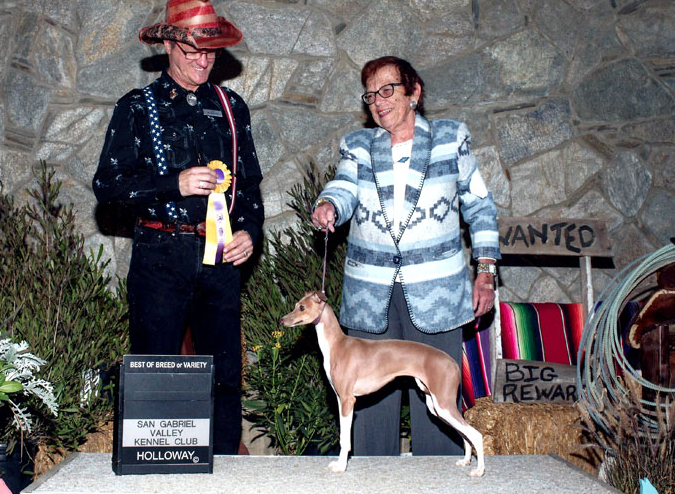
Lilian Barber is the breeder of La Scala Italian Greyhounds, an AKC Judge, and author of the “bible” on Italian Greyhounds.
La Scala Italian Greyhounds
An avid opera lover, La Scala pays homage to Italy and the art of opera. Her website lascaliaigs.com is a treasure of Italian Greyhound history and photographs.
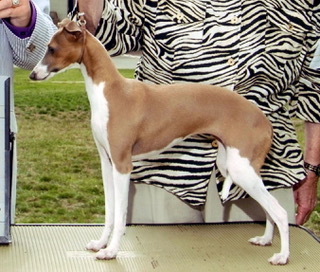
Lilian Barber the Author
Past President of the Italian Greyhound Club of America and columnist for the AKC Gazette since 1975, Lilian has authored 4 books on Italian Greyhounds.
Buy Lilian’s Books… if you can
Several are out of print, but if you can get one, we suggest you do it now. The links are below.
Considered to be ‘the bible’ for the IG lover, this detailed and informative book is written by a Breeder/Judge with ties to the IGCA. Profusely illustrated with black and white photographs, this wonderful reference is divided into five sections:
Section One: An Italian Greyhound Primer
Section Two: Health and Welfare of your IG
Section Three: The IG as Show Dog
Section Four: The IG as a Performance Dog
Section Five: Advanced IG Ownership
A must-have for the library of every serious Italian Greyhound fan.


88 – Wire Coated Breeds and How to Work With Them
Working with Wire Coated Breeds
Let’s Talk Stripping!
Hand stripping that is! But before we tackle wire-coated breeds, start out by revisiting episode 73, back to basics grooming. This will give you a good foundation to move forward with working on your wire-coated breed.
All coat types need specific grooming in order to keep the dog in top condition. Show dog or couch dogs, they all need to be cleaned, brushed, and maintained so they stay happy and healthy.
Show dogs with wire coats are hand stripped (either with bare fingers or using a stripping knife) in order to remove dead coat, create a shape and tidiness to the dog’s outline and maintain the proper coat texture for each breed.
Breed Specific Considerations
With few exceptions, the terrier breeds and their owners and handlers are the stars of the strippers. Each breed has a very specific pattern to be applied to the dog and within each breed there are *superstars* who have elevated the trim to a work of art. Names like Gabriel Rangel, Maripi Wooldridge, Bill McFadden, Tracey Szaras, Leonardo Garcini and more in terms of the current handlers, in addition to legends like George Ward, Ric Chashoudian, Clay Coady, Birgette Coady and so many more first rate dog people spring to mind when we think of the great terrier people and their stunning charges.
Toy dogs including the Brussels Griffon and Affenpinscher, as well as standard and giant schnauzers in the working group, are also very specifically patterned and detailed.
In the Sporting group wire coated breeds including GWP, WPG, Spinone and WireVizsla require maintenance with a more natural finished look than is required for the terrier breeds.
Irish Wolfhounds, Scottish Deerhounds, PBGV, and Wire coated Ibizan hounds call for minimal grooming, while Wire Dachshunds are a bit more stylized.
The new Herding breed, the Berger Picard is also a very low maintenance wire coat, but does need hand stripping of ear fringe and raking of the body coat.
Hand stripping basics apply to all of these breeds, but knowing your specific breed’s requirements, norms, shape, standard and coat type is essential to turning out a beautiful finished product. For example, a Spinone trimmed like a giant schnauzer is going to be seriously faulted for applying a “pattern” to the dog…
Hand Stripping
Pulling a dog’s hair, always in the direction it grows. Wire coated dogs have what’s called a “releasing hair follicle.” In nature, the dog’s work would cause it to catch the coat in weeds and sticks, and the hair would simply pull out relatively painlessly rather than get tangled as a longer, silkier hair type would.
Proper technique for hand stripping is to be sure each hair is firmly grasped either between thumb and the side of the forefinger or thumb and blade and pulled *straight* back in the direction of the growth. This can get tricky around the bum and at the sides of the neck where the hair grows in different directions. Do NOT pull *up,* away from the dog or against the grain of the hair. Your hand should follow the line of the dog’s body, with your wrist kept straight in order to avoid breaking the coat. If using a stripping knife, be sure the blade is used only for a better grip. If you cut or break the coat, you’ve accomplished the same thing as shaving the dog.
Be sure, as you are pulling coat, to hold the skin in front of where you are pulling to keep it taut and minimize any discomfort for the dog.
Well, then what is Raking?
In certain instances, you may want to rake out undercoat to help create the desired shape (remove bulk at the shoulders, over the loin or the base of the tail for example). In this instance, you can use a *dull* stripping knife laid essentially flat against the dog and simply “rake” or comb along the coat in the direction the hair grows. Done properly you will see only the soft, fluffy undercoat show up in the “teeth” of the knife. If you see hard coat in the knife or if no under coat is removed, your technique needs some work.
You can also use the Mars Coat King in various tooth widths for this task, although the caveat of keeping your wrist absolutely still so as to not break coat is even more imperative. The coat king is an amazing tool for breezing through a dog with heavy undercoat, but beware of damaging the top coat.
Strippers Tools of the Trade
Most professionals won’t use a new stripping knife and trust only tools they’ve had for years. Stripping blades, when first acquired, can be dulled by rubbing on a hard surface. A good tip for newer groomers is to use a Dr. Scholls (or similar) callous remover (kind of like a smooth pumice stone) to learn how to pull hair without bending your wrist or breaking coat. The stripping stones made by Chris Christensen and others offer the same advantage.
Another trick is to use the rubber “finger tips” sometimes used in offices for flipping through paper and/or harsh coat grooming chalk which gives a better grip to the hair. If a dog has particularly sensitive skin I’ve used the R7 ear powder which contains a bit of a numbing agent.
Finding the perfect stripping knife for your own hand, type of work and consistency of use is very personal. I use a 20 year old Pearson fine for flatwork and a standard run of the mill cheapo coarse blade for work on body coats. If I’m working on a dog with softer coat that I’m worried about breaking, I’ll even turn the knife over and use the flat edge. Some folks I know wrap the teeth in athletic tape. I only use my fingers when working on furnishings as the hair is so easy to break.
Aftercare
After pulling coat on a dog, remember those hair follicles are open and susceptible to infection if not properly maintained. I dampen the dog all over with a lightly diluted (10:1) mixture of Listerine and water. This serves as a disinfectant without softening the coat. Then rub the coat firmly, in the direction it lies, with a rolled towel. Blot or squeeze dry the furnishings, don’t scrub.
Routine for Wire Coated Breeds
The frequency with which you need to work a dog’s coat depends on that original assessment you made of the dog’s coat and what you see as the dog grows coat between grooming sessions. A rule of thumb is a jacket needs to be “topped,” in other words the long hairs pulled to maintain shape, weekly. Flatwork, depending on the breed and how precise the work needs to be, might need to be touched up every couple days. Generally furnishings are pulled every couple weeks. Keep in mind that even individuals within a breed will differ. One German Wirehaired Pointer pulled down tight to start new coat growth might look good in a couple weeks. Another it might be a couple months. Learn your individual dog before you “pull it to the skin” a couple weeks before the show!
Rolling the Coat
This is common practice with terriers and any other of the more stylized breeds. This means that on a regular basis, generally once a week, you comb up the coat on the jacket and pull just the longest hairs. This will keep the coat in good bloom — in other words looking shiny and healthy — as well as maintaining the proper shape for the show ring.
Flat Work
This is the terrier terminology for all of the coat on the head, ears and throat. Breed specific diagrams and instruction will tell you how “tight” the flatwork should be. Again, what is required for an Airedale would be a disaster on a Wirehaired Pointing Griffon. Know what your breed standard says about grooming and talk to the master breeders and handlers to gain an understanding of the final picture you want to create and how to do it.
Furnishings
This includes legs, beard and underline. To keep the coat in top condition, this hair needs to be pulled regularly also. Remember, the more you pull, the more and better coat will grow back. In many cases, the furnishings on many breeds are softer coat and require special care not to break the hair. Generally furnishings are pulled or “topped” at a less frequent interval than is needed for flat work and jackets, but that is a rule of thumb, not written in stone. Again, seek the advice of a talented mentor in your chosen breed.
A special note on beards. All bearded dogs have hair that grows along the lower jaw in the fold of the lip. This is like a drainage area for saliva. It is often stained and can encourage yeast and or bacteria growth. This hair should be pulled (beware, this is one area that is not at all comfortable for the dog) or thinning sheared away, depending on the requirements of your breed. Keeping this cleaned up will make for a much better looking — and smelling! — beard.
Care/Conditioning
The jacket or body coat of wire coated breeds is bathed rarely. In many cases only once or twice a month. The furnishings are bathed and conditioned routinely in order to promote growth and minimize breakage. For full baths, everyone has a favorite product, mine is #1 all-systems crisp coat shampoo. Check with your breeder or mentor about theirs.
Last words on Wire Coated Breeds from Laura
Learning to hand strip a coat well and properly takes lots of practice and years to refine skills. My best recommendation for success is to find a GWP breeder or handler of wire-coated dogs who is willing to give you hands-on supervision and direction.
87 – Dual Champions: Melissa Newman – Laverack vs Llewellin
Dual Champions: Melissa Newman – Laverack vs Llewellin
Continuing our conversation on the challenges of creating dual champions, Melissa Newman talks with us about her journey to build a family of dogs that meet this exacting goal. From a childhood spent hunting with her family through the trial and error of acquiring a good foundation for her breeding program, her story is inspiring as to what can be accomplished with single-minded dedication and focus. The Set’r Ridge dogs are iconic and can be found in many pedigrees of the top dogs in the breed.
Read more here http://www.englishsetter.com
In a breed which most would consider “split” between shown and field, to the point Melissa describes them as two separate breeds, competing with a “Laverack” or show type English Setter in Field Trials is an uphill battle as the dogs’ running and pointing style are radically different than those of it’s “Llewellin” cousins. Just as the field dogs would not meet the standard of the dogs shown in the ring, the show dogs often don’t meet the judges’ unwritten but iron-clad “picture” of a dog in the field.
Enjoy this “talk” with one of the master breeders working to bridge that “great divide.”
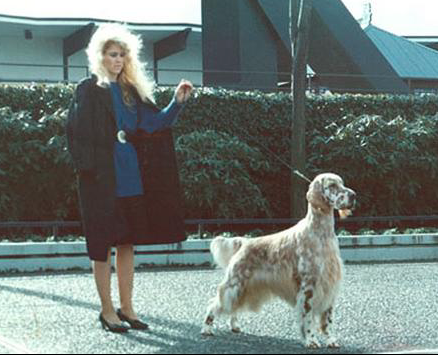
Dual Champion Hadji – Melissa Newman
Setter Ridge is the home of Hadji (Dual Ch Can Ch Set’r Ridge’s Solid Gold CDX MH HDX CGC), who passed on in February 2000. Hadji produced 129 American Champions including 16 all breed Best in Show dogs out of 12 different dams. He was the winner of the 1993 National Specialty, a field trial champion, and the 8th Dual Champions in the breed’s history.
86 – Dual Champions: Preservation Breeders Proof of Form and Function – Frank Luksa
Dual Champions: Preservation Breeders Proof of Form and Function – Part 1
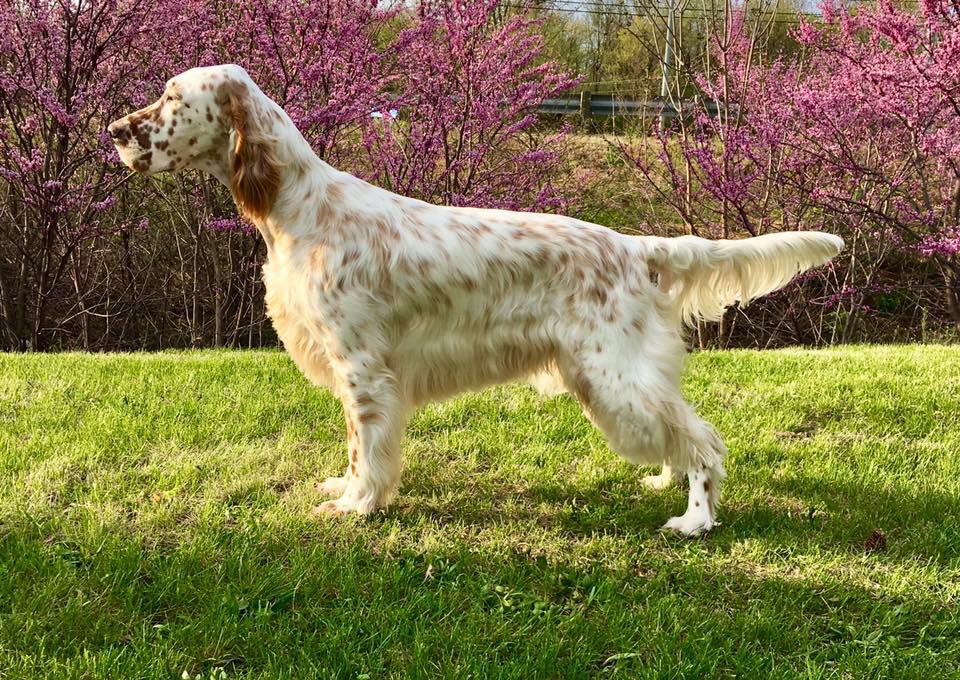
One key element of preservation breeding, for many fanciers, is working to maintain the “function” for which the “form” of the breed was originally developed. The English Setter standard, for example, describes a dog “conformed” a certain way because those details enabled the dog to best do the job for which foundation breeders developed it.
Dual Champions
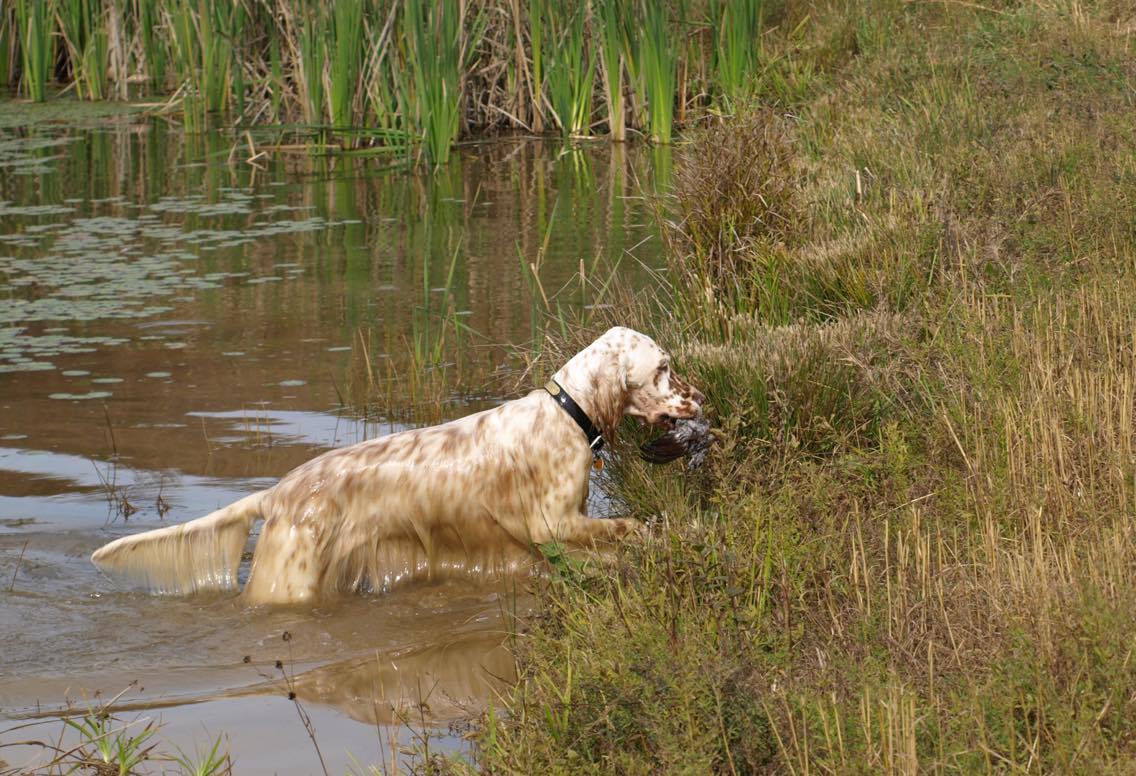
For breeders and owners of sporting, hound and herding breeds, the holy grail of preserving form and function is generally considered to be earning a Dual Champion title. While there are innumerable tests and non-competitive venues in which to evaluate a dog’s working ability, the field trial or herding trial is a competitive sport. Earning a show championship and an FC or HC with the same dog is considered by AKC to be a DC… Dual Championship.
In researching a more in depth article on this topic, it is fascinating to look at which breeds have the most DC titled dogs and which groups have the most breeds earning DC. Look for that discussion in our upcoming newsletter as we celebrate the concept of “Form Follows Function.”
Frank Luksa – Part One
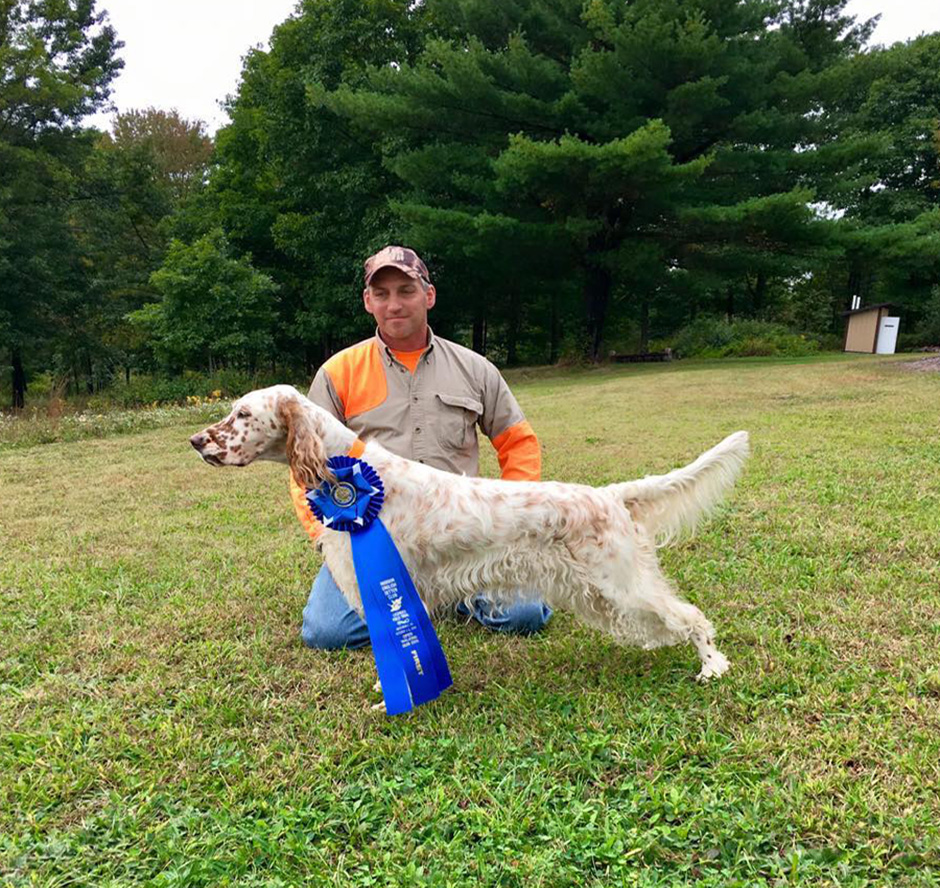
Meanwhile, we have two interviews with folks who have accomplished this feat with the same breed two decades apart. Frank Luksa, just this year, completed the requirements for his English Setter, Tessa’s, DC. Tessa was entirely breeder-owner-trained and -handled in the field and the show ring, making the feat doubly impressive. You can hear his story today and read more about it here.
Melissa Newman – Part Two
Melissa Newman was the breeder-owner-handler of the first and to date only BIS winning DC English Setter, Hadji, more than 20 years ago. You can hear her story on Episode 87.
Frank Luksa Biography
I live in central New Jersey ,with my wife Maryella and daughter Hunter Robyn . I have owned and lived with a bird dog my entire life. My first dog was a big red Irish setter,named Snoopy. He started my addiction to bird dogs and being in field. I still have the fondest memories of my childhood following along with my dad, with Snoopy out front flowing through the uplands in pursuit of wild NJ pheasants ! Yes I said wild…days long gone in NJ.
As an adult my first birthday gift from my wife was a handsome liver and ticked German Shorthaired Pointer. We named him Grizzly. He was the first dog I trained myself after reading all the dog training books I could get my hands on and attending bird dog seminars. He was a very devoted dog. After Grizzly passed I did a lot of research and decided our next dog would be an English setter for hunting and family companion. Duke fit the bill . By joining the local English Setter club as well as the national club, I learned about AKC hunt tests, conformation and field trials.
I feel very lucky to have reached some personal milestones with our dogs over the years.
We are the proud breeder/Trainer and handler of the 13th DUAL CHAMPION ENGLISH SETTER . Other highlights have included showing & training the breeds first GCH master hunter and exhibiting at the prestigious Westminster Kennel Club in NYC .
It’s my passion for the sport of pure bred dogs that made me feel the need to give back to it in anyway I can. Judging Field events could be considered giving back…although I get such a great deal of pleasure climbing in the saddle and watching bird dogs it doesn’t seem fair .
I have judged over 50 field events in 8 different states and I wish the Best of Luck to All!
~ Frank J Luksa Jr
Breeders Voice: Dual Champion Tessa, Frank Luksa |Pure Dog Talk
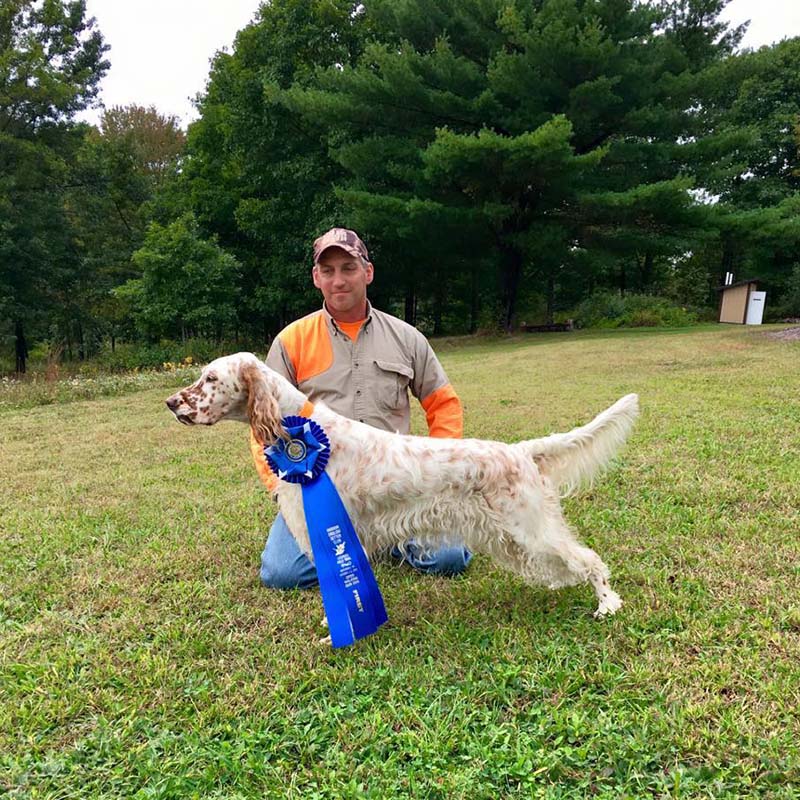
The Making of a Dual Champion by Frank Luksa The AKC regiments for a dog to be recorded as a dual champion are as follows…the said dog must have earned…
Read Full Post85 – Wendy Paquette on Shih Tzu, Toys and Breeding Challenges
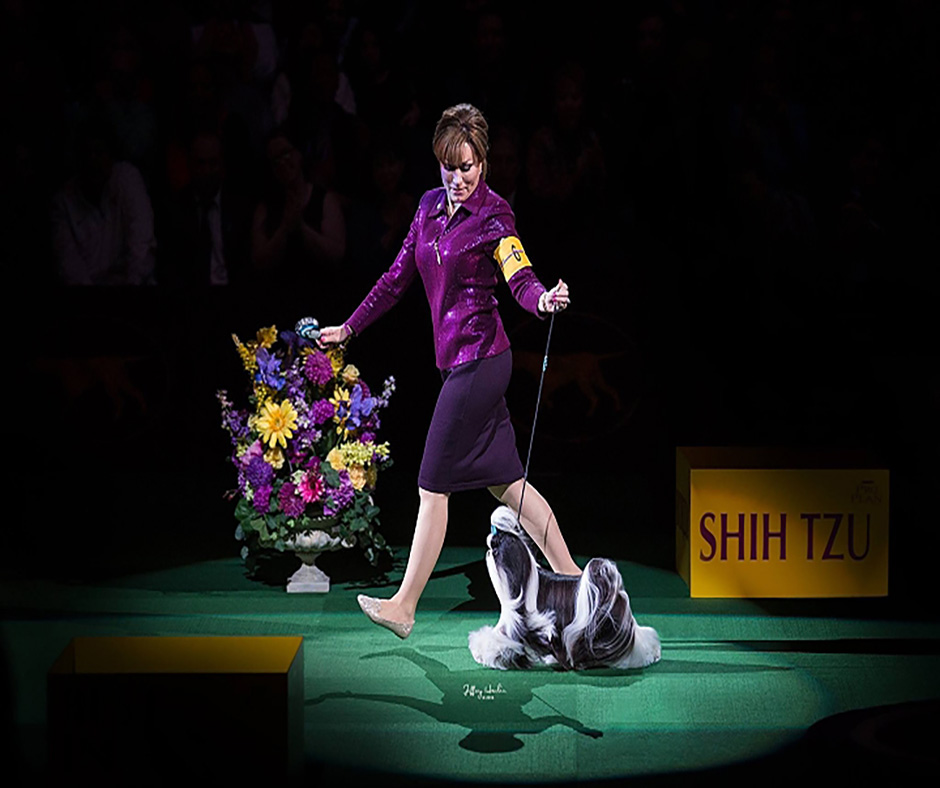
Wendy Paquette – Shih Tzu, Toy Breeds and Breeding

Wendy Paquette faced challenges with her choice of Shih Tzu as a breed. Before the internet, with no other breeders in northern Canada, Wendy imported her first two dogs from England.
All Breed Judge and former Professional Handler, Wendy handled many of the toy breeds with multiple Best-in-Show success.
Smart Solution to Toy Breeding Education
Wendy had a smart solution to acquire a toy breed “Breeding” education, despite Canadian isolation.
She leased bitches from her top clients and whelped different toy breed litters! Firsthand she gained breed insight from day 1 in the whelping box.
Nigel Aubrey Jones
Nigel Aubrey Jones, great Pekingese breeder and author, was an influential mentor for Wendy.
Tips and Thoughts on Toys and Drop Coated Breeds
Health and Maintenance
Tend to be maintenance and care intensive for health and coat. Since they are small, owners tend to have larger numbers. The drop coats make it more difficult to notice health issues.
Lack of Exercise
Need more exercise than just an ex-pen. Despite the small size, they need to run outdoors, in fresh air, where they can stretch and tone muscle. Proper coat has strong hair, but some show dogs might need the sides tied up.
Temperament
Toys are companions and temperament is a must.
Wendy’s Thoughts
Learn the past of your breed. Know who the breeders were or are, and their contributions. Just because they don’t have a top dog out today, doesn’t mean the decades of knowledge and experience are any less.
Wendy has been involved in purebred dogs since 1971. She began her career breeding Shih Tzu, and along the way has owned and bred Samoyeds, Afghans, Salukis, Whippets, Brussels Griffon, Maltese, Pekingese, Lakeland Terriers and Wire Fox Terriers. She specializes in Shih Tzu and Lakeland Terriers as her main breeds and has produced over 250 Canadian Champions, 80 American Champions, 16 different Best In Show winners and 10 National Specialty winners. Wendy is a co-owner of Wenrick Kennels Incorporated. The Wenrick Shih Tzu breeding program is world-renowned.
Wendy is also a retired professional dog handler. A profession she enjoyed for 15 years. During this time she finished over 500 champions in 80 different breeds and won 150+ All Breed Best in Shows with 16 different breeds. She also owned and piloted a Pekingese “Bingo”, Am Can Ch Rodari’s Aces High to the number 2 All Breeds in Canada in 1994.
She has been honored with lifetime memberships in the Canadian Kennel Club, the Sudbury & District Kennel Club and the Canadian Shih Tzu Club. She was also awarded an Honorary Membership in the Canadian Professional Handlers Association.
Wendy is a Canadian Kennel Club (CKC) Licensed All Breed Judge, a founding member of the Canadian Dog Judges Association (CDJA) and a member of the American Dog Judges Association (ADSJA). In addition to Canada and the USA, she has judged in Australia, New Zealand, Bermuda, Brazil, Colombia, Chile, Peru, Japan, Mexico, Taiwan, South Africa, Denmark, Italy, Finland, Norway, Sweden and Ireland. www.wenrick.ca
84 – Obedience at the Garden: David Haddock, AKC Judge
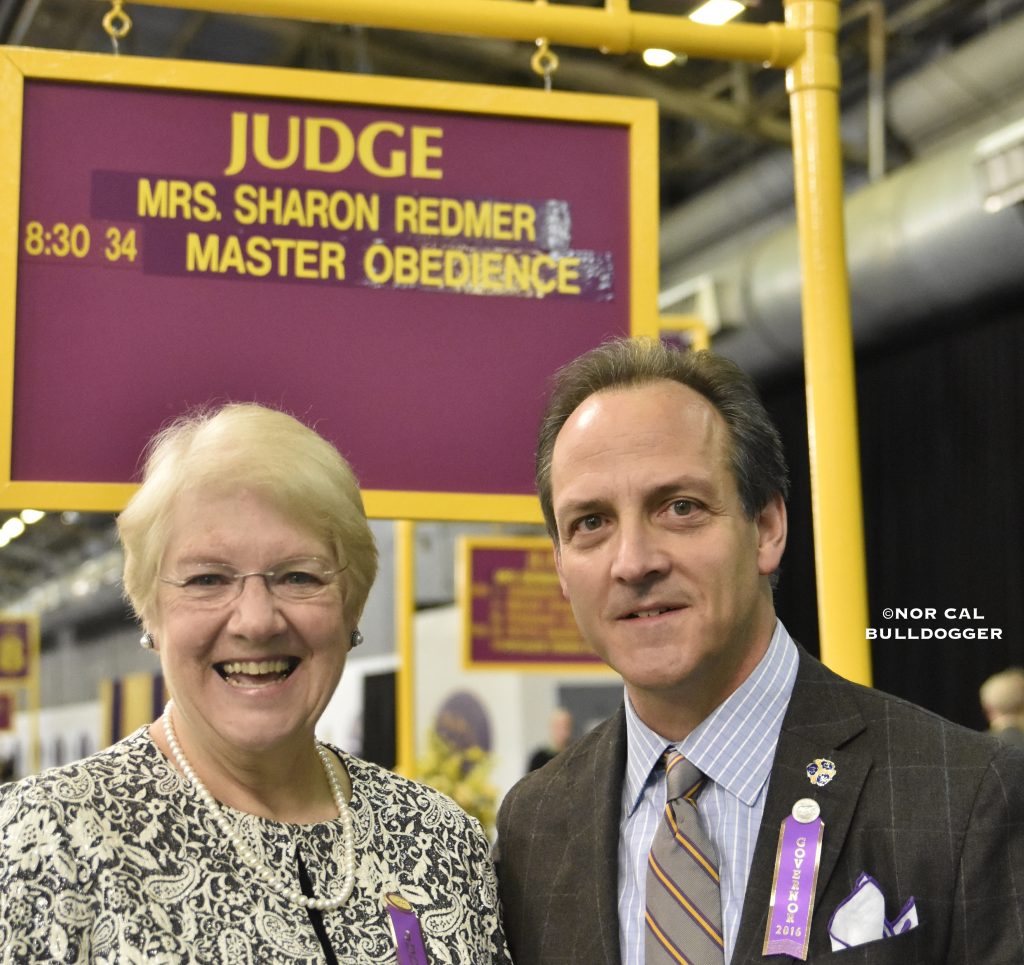
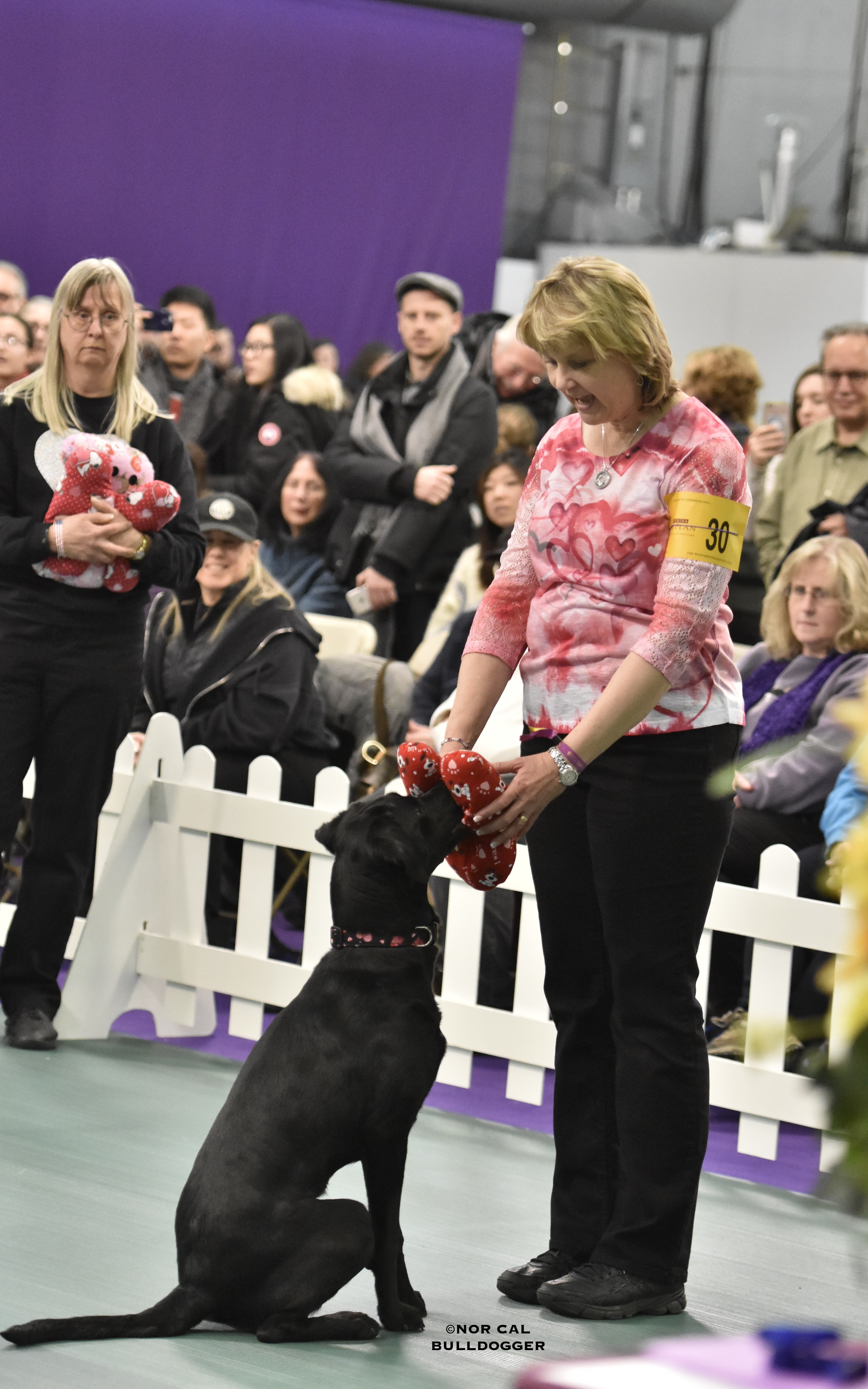
Obedience at the Garden: David Haddock, AKC Judge
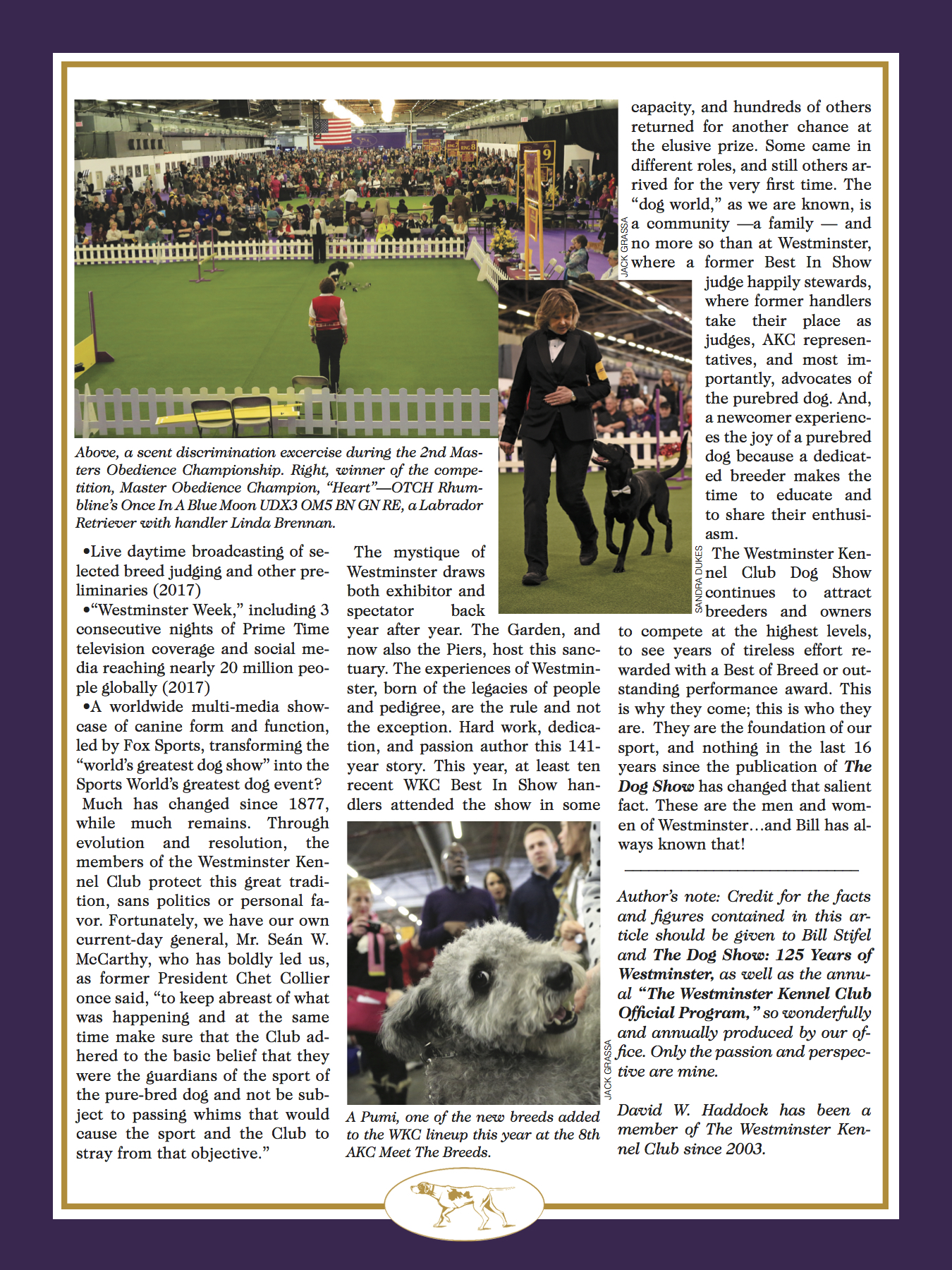
Obedience was not always offered at the Garden during the Westminster Kennel Club show. David Haddock, a member of the Westminster Kennel Club and AKC Judge, was instrumental in the inclusion of the obedience competition.
A native of Wichita, Kansas, David obtained his first purebred dog in the 1970’s, during which time he owner-handled the Alaskan Malamute to an obedience title and conformation championship. He later acquired Portuguese Water Dogs, handling one of the first PWDs to achieve both Breed Championship and Utility Dog titles. He is a former board member of the PWD parent club and has authored several PWD articles that have appeared in national publications. David and his family have also owned and exhibited Border Terriers, Parson Russell Terriers, Havanese, Chihuahuas, Toy Fox Terriers, Whippets, and Samoyeds.
David is the long-serving President of the Nashville Dog Training Club, where he has been instrumental in developing multiple venues for canine performance. During his tenure, the club has gained national recognition for its semiannual 4-day agility trials and multiple venues for obedience, rally, tracking, and lure coursing. He is also a member of the Nashville Kennel Club, Santa Barbara Kennel Club, Westchester Kennel Club, and the Westminster Kennel Club, where he serves on the Dog Committee. David is a nationally recognized obedience judge, having adjudicated at over 300 trials in 40+ states. He is also approved for several breeds within the Working Group.
David is a graduate of Washington & Lee University (BA, 1983) and Columbia University (MBA, 1987). He spent his early professional career with New York-based real estate and finance companies before embarking on a successful entrepreneurial career, first in the health-care field and later in consumer products. He was a founding partner and/or executive in multiple start-ups and early stage businesses, including Windy Hill Pet Food, a roll-up ultimately acquired by Mars Pedigree. He has worked internationally as a pet industry consultant, and owns and manages several niche brands within the pet food industry. http://bouvier.org/specialty/2012/judges.html
Article by David Haddock for the Westminster Times
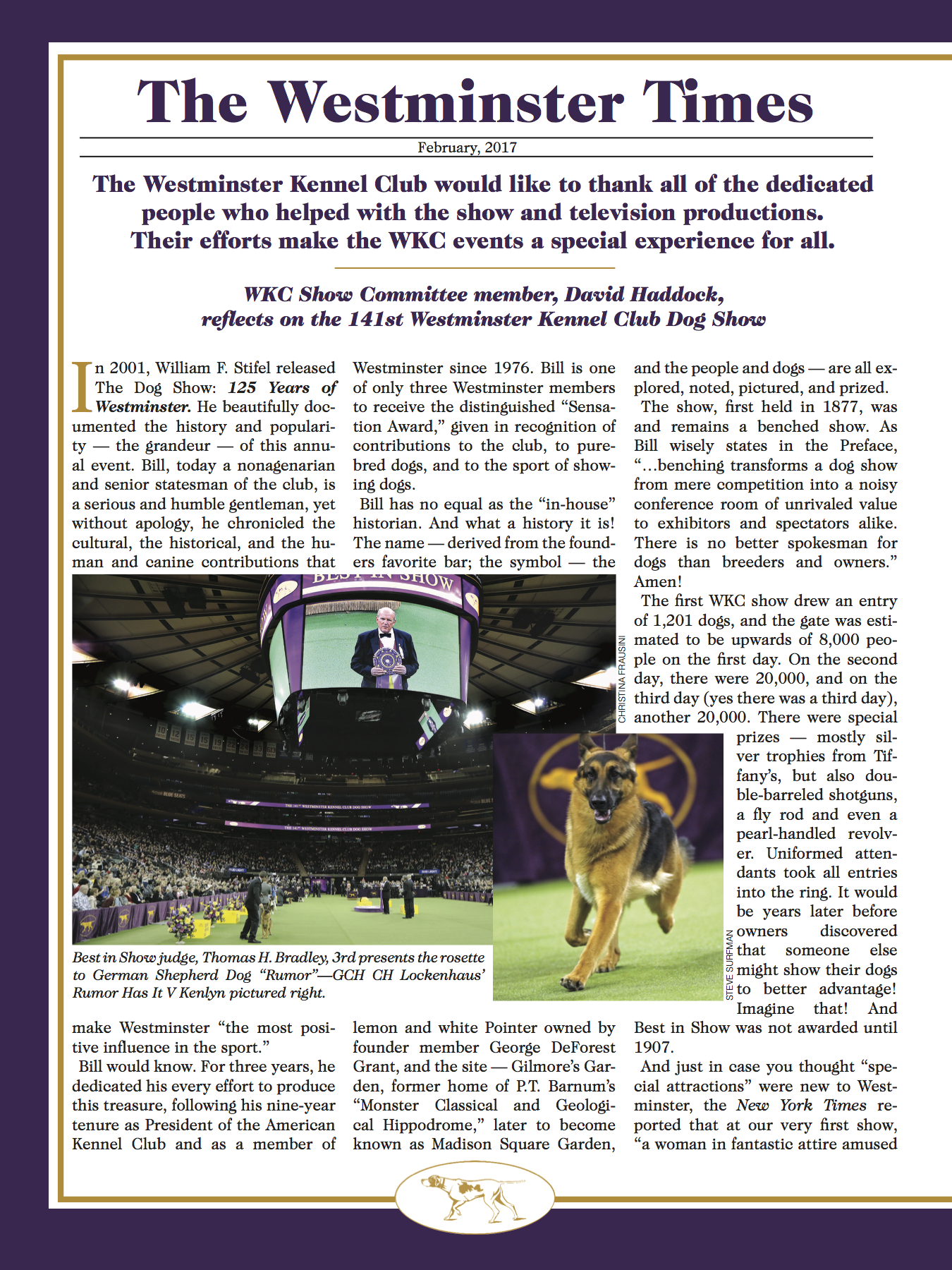
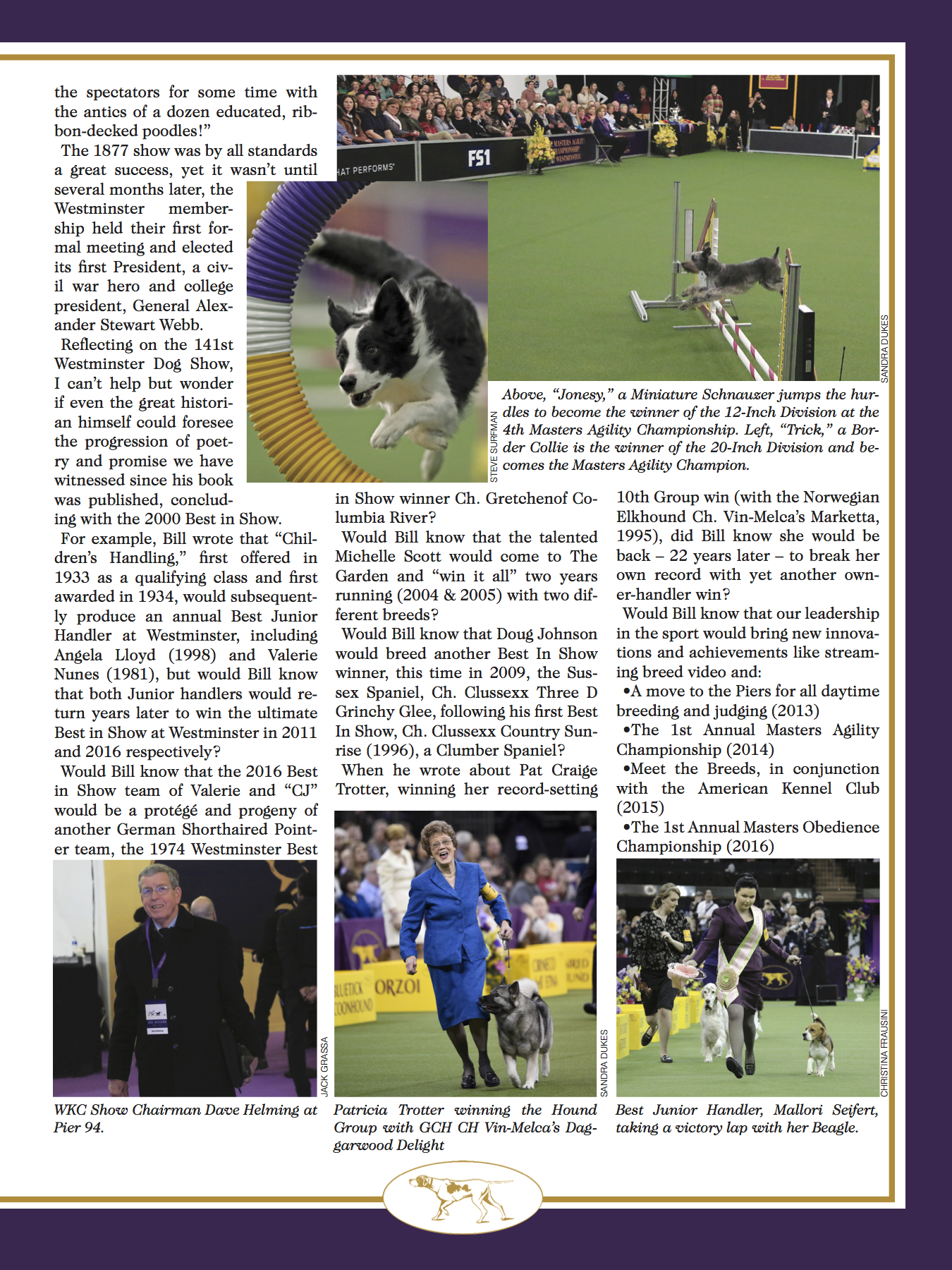
The Dog Show: 125 Years of Westminster
William F. Stifel
83 – Mike and Karen Kurtzner: Mentors, Field Judge and Beagle Buddies
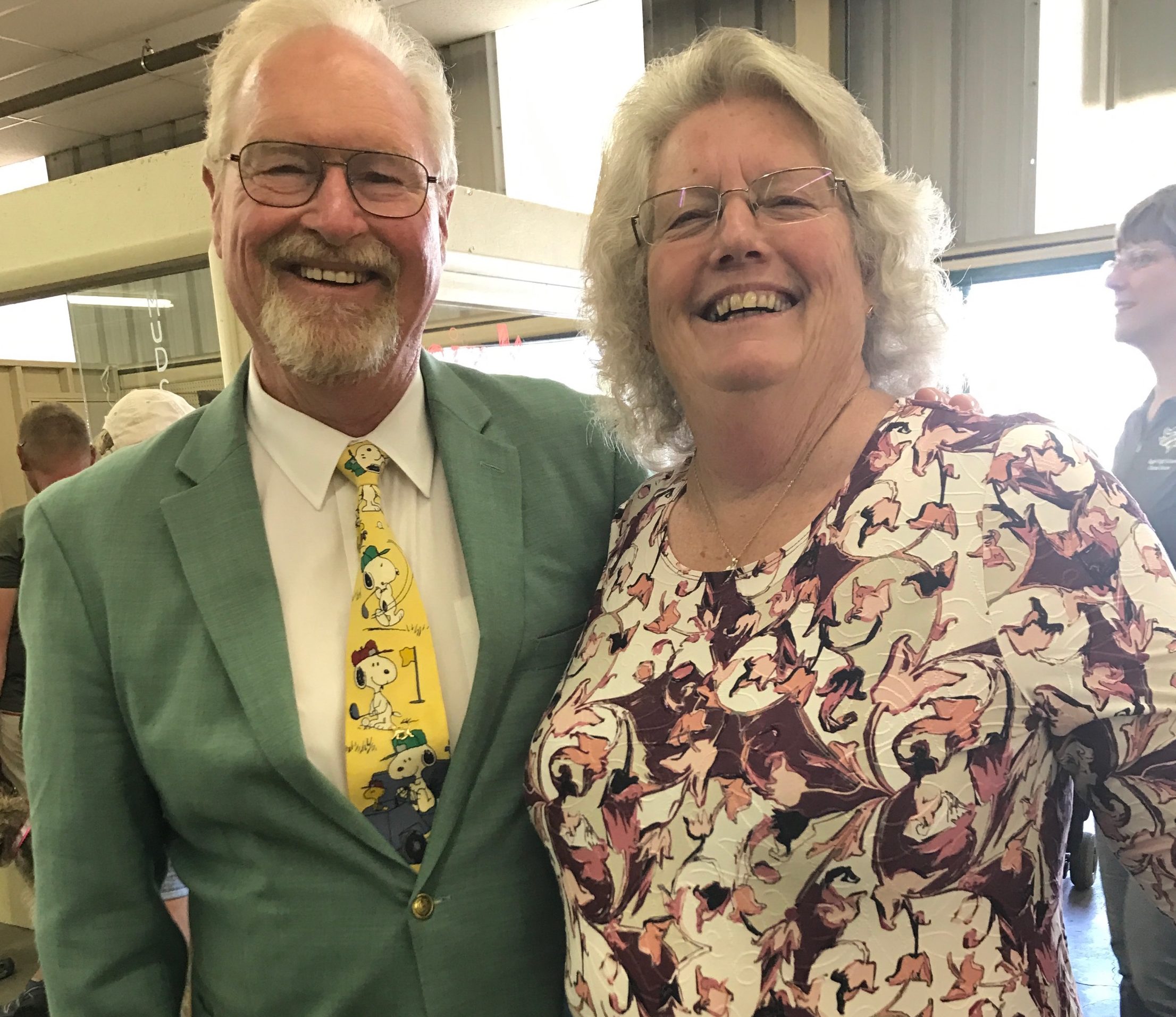
Mike and Karen Kurtzner
Mike and Karen are professional handlers that have both been mentored by some of the great dog people of the past, but have trained some of the stars today. Boarding kennel owners in the Sacramento, California area, they have been in dogs since the 1960’s, and have more than a few stories to tell.
This episode of Pure Dog Talk is quite enjoyable, and Laura’s introduction gives a bit of insight and respect to two people who deserve it.
Did You Know?
- Mike raised homing pigeons
- One of the first all breed handlers in the licensing system
- Married to Karen for 33 Years – Kudos to Karen and Mike!
- WAS THE YOUNGEST LICENSED FIELD JUDGE IN U.S.
Ch Kahootz Chase Manhattan
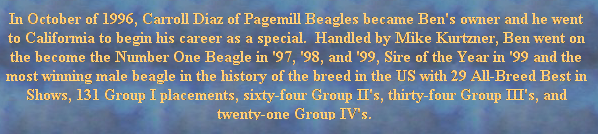
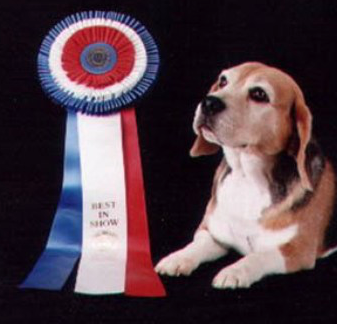
Many know and remember Mike as the handler of 13 inch Beagle “Ben” – Ch Kahootz Chase Manhattan, but there is much more to Mike and Karen.
www.tesorosbeagles.com
Original Handler Licensing System
Once upon a time, you had to be licensed for each breed that you handled. AKC reps inspected your kennel, your set-up at the shows and your license had to be renewed each year. Mike and Karen tell the stories of how the original handler system worked.
Field Judge and Beagles on the Scent
Mike is full of surprises, so if you want to know about Beagles, scents, and field work, here you go.
82 – New to Group Ring? 10 Tips to Survive and Succeed
New to the Group Ring?
Requested by Brandon Lobato in Salt Lake City, Utah.
Brandon writes, “Love the podcast, it really keeps me motivated. I started showing two years ago and didn’t know anything. It took me a year and 15 shows to get my first point. I pointed him out during the next year, and then our shows started up … and my boy took the breed two days in a row this weekend going over four specials for his majors in Irish Setters. I’ve been going to handling classes each week and listening to the podcast over and over. If you could talk about going into to groups ring I would love it, I was something I hadn’t prepared for.”
First of all Great Job on your first two Best of Breed wins Brandon! That is fantastic!! I am so thrilled the podcast was helpful for you!
Now, on to the group. Those first few trips around the big ring can seem daunting at best.
10 Tips to Survive and Succeed in the Group Ring
Remember, in group competition, the judge is comparing each individual dog against its standard and is tasked with selecting and placing in order the four dogs which most closely meet their breeds’ standards. Refresh the breed standard in your head, concentrate on your dog’s virtues in relation to the standard and run through again how best to showcase those virtues. The group ring brings more room to move, more space to stand out but also a larger cast of characters, all striving to catch the judge’s eye. Be sure to watch your spacing on the line… not too close to the dog in front of you, leave enough room to stand in front if that is what you need to showcase your dog. If the handler behind has a tendency to crowd up on you, turn your dog and put your back to the handler to create a little extra breathing room for you and your dog when it’s time to turn around and stack again.
If you are honored with a Best of Breed win, go to the group. It is an insult to any other dogs defeated, the judge who awarded your dog BOB and the group judge to skip it. “I’m not going to win” isn’t an acceptable excuse! Unless there are only 4 dogs present, *somebody* isn’t going to place. And I’ll tell you a little story. Some years ago I showed a 9 month old Briard to the breed … He was the only dog entered in the breed. It was the last day. It was hot. It was a judge I believed would do nothing with this gangly puppy. There were some lovely dogs in the group. I just plain wanted to go home. I whined and moaned and gnashed my teeth, but I stayed. And well I did, as that goofy puppy WON the group. Yes, there are times of emergency or what have you in which missing the group is understandable. But going home just because “it’s political and I won’t win” is not going to win you any admirers and worse, does not give you the opportunity to learn a single thing.
Pay attention to the timing!!!!!! Groups start at an appointed hour and then flow based on the judge, the number of dogs in the ring, how inclement the weather is, how anxious everyone is to get to the hotel/airport/home, etc. The superintendent lists the *anticipated* group judging order in the judging schedule. DO NOT assume that is written in stone! Check the schedule of group judging when it is posted. Watch the groups ahead (this is *always* a good suggestion, no matter what, for educational purposes) in order to know when it’s your turn. I normally prep my dogs at the beginning of the group ahead of mine, but if the groups are small, the dog needs an extra rinse and fluff, extra warm up or whatever, that can change. Know what you need to do to prepare your dog to look its very best in the ring and how long it takes to do that. Then gauge your time accordingly. Aim to arrive at the group ring a full five to ten minutes ahead of your turn. This gives you time to settle your nerves, accustom the dog to the extra applause and commotion and generally get your game face on. If you need more time, there is NO law that says you can’t come earlier. Do what works best for you and your dog.
Groups in the US are generally, although not always, judged in size/speed order. The exceptions are when the show is extra fancy and they ask exhibitors to line up alphabetically and give you signs to stand in front of (a la Westminster). But at most average dog shows, the long legged dogs go up front and the lineup proceeds in basically descending size. Keep in mind you want to move your dog at the proper speed for the breed. Find a dog of similar build/stature to your breed and try to follow that exhibitor. The Bulldog, Pekeingese, Sussex Spaniel, miniature dachshund and the like are not going to run around the ring at the same speed as the taller members of their group. The line up for the group entrance can feature a good bit of jostling. Just be patient, courteous and ask questions. See if you can find a mentor or friend in the bunch who can give you some on site guidance.
Once you get in the ring, move around the ring as directed by the judge. Stack your dog and be prepared for the judge to walk down the line looking at expression and/or overall outline. Once the exam of the first dog starts, you can relax your dog. Play with your dog, relax, but don’t let the judge see the dog looking dorky. You can block the dog with your body if you’re going to give it free time. I’ve shown any number of dogs over the years who had limited “stamina” in the group ring. I just take them to a corner, teach them to lie down quietly and sit peacefully with them. Conversely, I’ve shown dogs with no off switch who fret incessantly if they are not constantly “working”… Know your dog and know what is best for him. Pay attention to the judge… If you notice she is checking back down the line after every dog, time a nice free stack so they can see it — do not grandstand in the middle of the ring or block another exhibitor, but be sure your dog is always and only seen looking its best. When it’s your turn for the exam and individual movement, your general target is to move the dog as far as the last number in the center of the ring and then come back. It’s a big ring, nobody needs or wants to see your dog trot ALLL the way to the end of the ring and back.
First impressions count. That first sweep around the ring should demonstrate smooth, effortless and correct movement. While that first one is important, ALL impressions count in the group ring. You are playing with the big kids and if you expect the judge to award your dog, you must be prepared to have its performance be flawless. Gather yourself before you move, don’t get jiggity with your freestack. Stick to what you know works. You have MAYBE four chances to really showcase your dog. When you come in, on the line at the beginning, on the individual exam and on the line at the end. If each and every time the judge looks your dog is flawless, and your presence and presentation are confident, they WILL notice.
Don’t be nervous! I know it seems scary, but it’s no different than the breed ring in the basic concepts. Don’t forget that your dog will pick up on your nerves. Confidence, or a lack thereof, travels right down the leash! Hi speed internet has nothing on a dog’s sensitivity to its handler’s moods. I know, you’re thinking, all those people are *watching* us! A version of stage fright is pretty common, but I always remind folks what my debate coach taught me in high school… If you just picture all the people around you in their underwear, pretty soon, you’re giggling to yourself and it’s nearly impossible to concentrate on being afraid when you’re laughing (in your mind!) at somebody’s imaginary tight whities. As you relax, so will your dog, making their movement, their attitude and their carriage improve 100 percent.
Professional handlers are NOT the enemy! If you have a question, seek out an experienced and respected handler and ask them. I guarantee they’ve been there for the first time, just like you! As in any other situation, be sure to wait until the person is not concentrating on the dog or the judging. And handler friends, for the love of Pete, take a minute out of your coffee klatch in the corner to at least smile at the newbie. Maybe compliment their dog or their outfit or simply tell them congratulations on their win. We are ALL in this together. The more we remember that, the better off we’ll be!
Making the cut. This is when the judge comes down the line for a final look. It’s important to make some eye contact with the judge, really making the pitch that your dog is worthy of consideration amongst the best. If the judge points at you for your dog to make the “short list” of 6-8 dogs to be considered for the four placements, tamp those jangling nerves down with a deep breath and keep your composure. Line up and remember this is the last chance to make a great impression. Stay in tune with your dog while paying attention to the judge for cues. Some judges don’t make a cut and simply select their placements. Continue to watch the judge out of the corner of your eye to determine if they are looking at your dog and be sure the dog is stacked and standing proud.
Final reminders. Be a good sport…. congratulate the winners, say thank you if your dog gets a ribbon and someone congratulates you. have FUN with your dog! be proud, be a team… and never forget, the dog you love best is coming home with YOU! A ribbon or not a ribbon, it doesn’t get any better than that.
And there you go. You’ve now survived the group ring for the first time. It’s all downhill from here! Catch ya’ll on the flip side. In the meantime, don’t forget to kiss your dog on the nose every day.
81 – Social Media Challenge from Randy Benns and Luke Baggenstos
Social Media Challenge
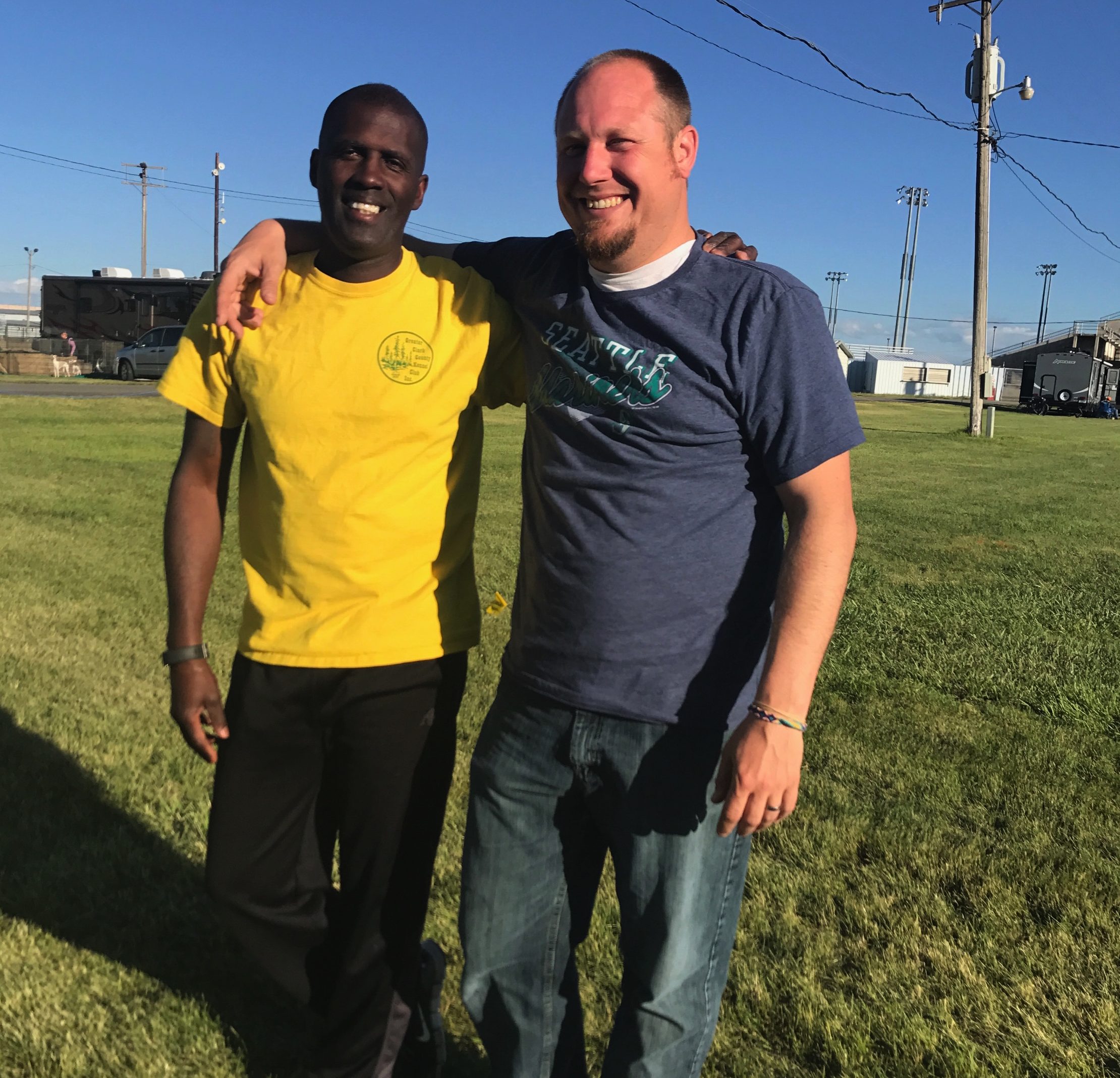
Randy Benns and Luke Baggenstos are both members of the Professional Handler’s Association.
Luke Baggenstos
Luke literally was born into dogs. His parents and stepmother are all dog people. He worked for dad, Rick, and stepmom Dinah, both PHA handlers, and followed in their footsteps. In fact, the bulk of his extended family are “in dogs.” His wife, Rowan, is the daughter of Canadian Akita, Shiba Inu & Japanese Chin breeder Susan Norris-Jones. His brother is married to professional handler, Jen Holmberg.
I began in dogs at birth. My parents bred and showed Old English Sheepdogs and Afghan Hounds. I first went into juniors at a Fun Match with my Afghan at the ripe old age of 4. Needless to say I was hooked. As soon as I was old enough I participated in junior handling, showing my mother’s Afghans. My parents divorced when I was 11 but I continued to attend shows even when my mom did not. I would travel to the shows and work for my Dad, Rick, and Stepmom, Dinah. I apprenticed for 13 years with them. In the mean time I also put myself through school earning my Associates degree in Business Management. I then went to work at New England Financial and then Met Financial but I missed the dogs too much. I quit a great Career to be a dog handler, a job I truly love,” Luke says.
Randy Benns
Randy is “first generation” dog man who, with wife Lisa Haney, is a noted all-breed handler. In his words, he started in dogs because someone told him he couldn’t. He started with chow chows in the late 1980s. He graduated from University of Utah with a degree in political science.
Later Randy apprenticed under the renowned all-breed judge, Dorothy Nickles. Over the years he’s shown top ranked Beagles, Giant Schnauzers, American Staffordshire Terriers and, more recently, American Eskimo Dogs.
Social Media, Dog Shows and Instant Influence
Luke and Randy tackle the thorny issue of social media and how it impacts the purebred dog fancy.
Luke is not a “Social media superstar,” but participates. Randy is a strong opponent of the medium. We hear from each side of the aisle as these two opinionated friends share their thoughts.
Take a minute to really think about their common message…. If you won’t say it to somebody’s face directly, *don’t* write it for 1000 of your “closest” friends to read….
As always, we’d love to hear from you! Share YOUR thoughts on ways our sport can improve… with or withOUT social media!