
724 — Legendary Handler Andy Linton on Quality, Conditioning and Presentation
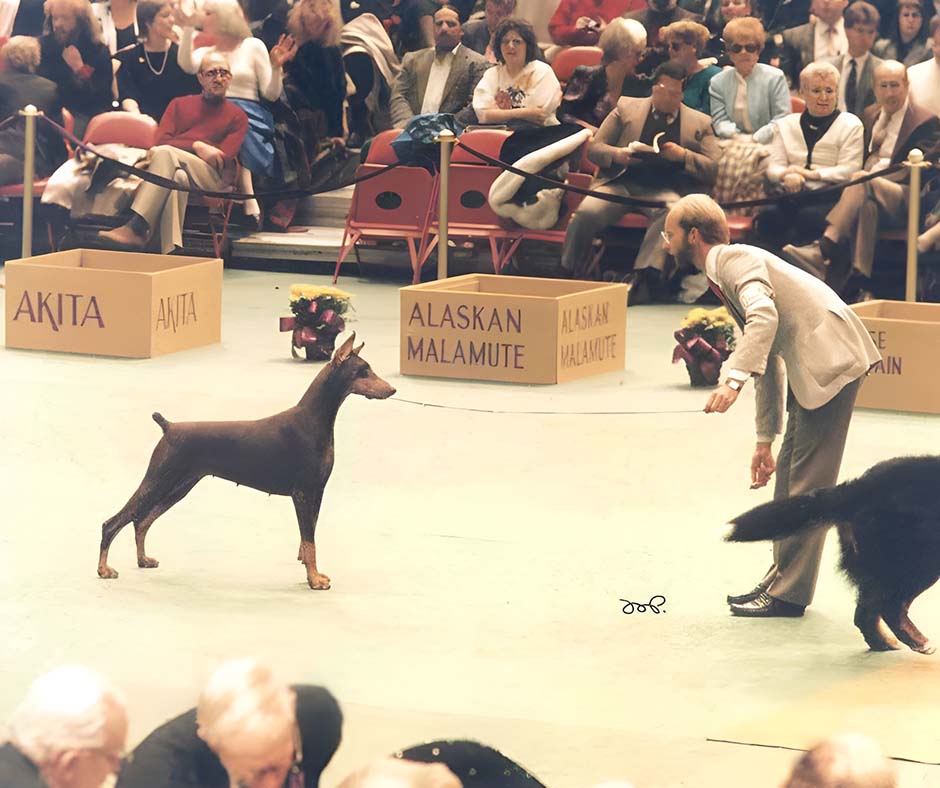
Legendary Handler Andy Linton on Quality, Conditioning and Presentation
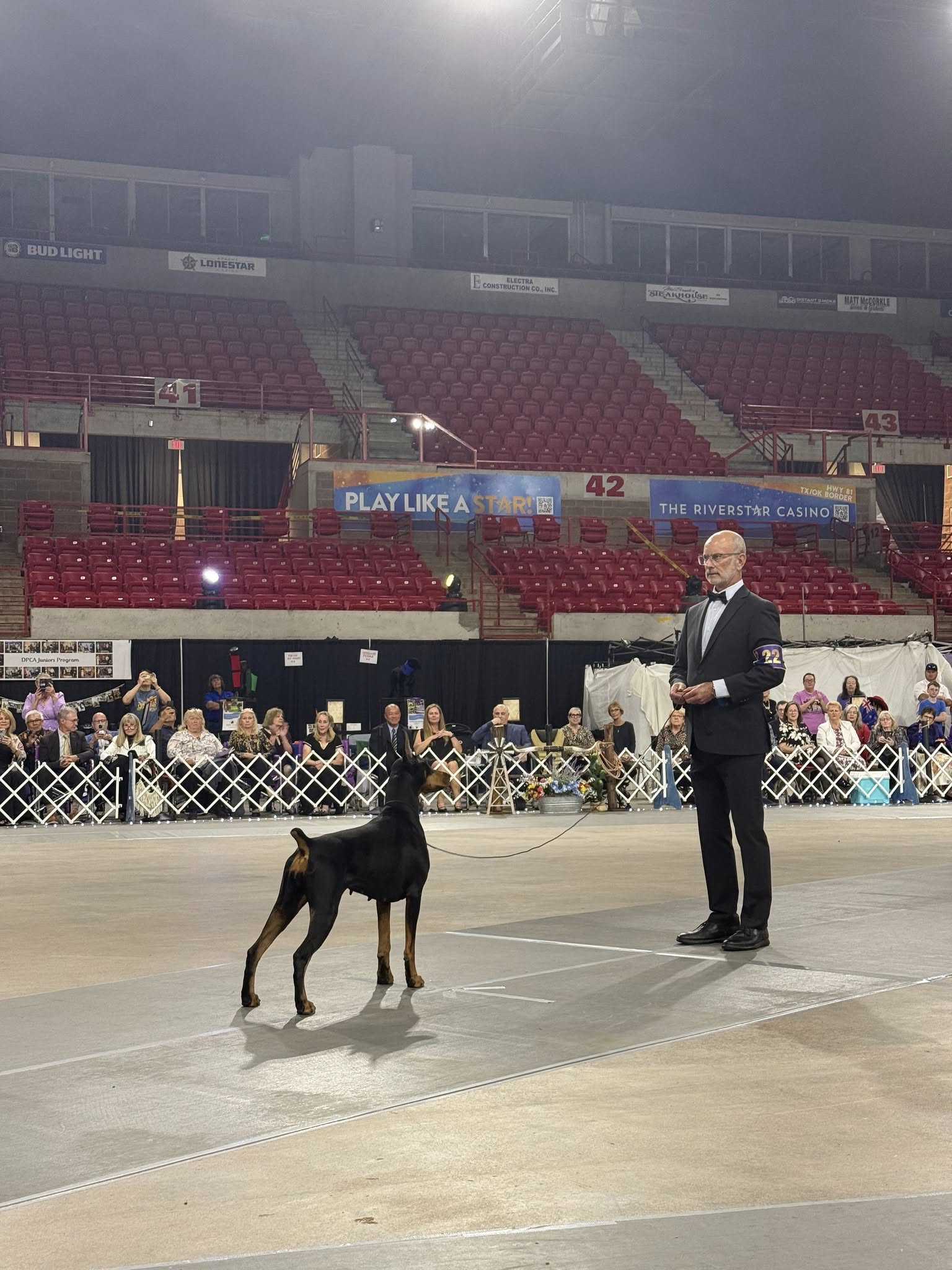
Andy and Penny shine at the DPCA Top 20.
Host Laura Reeves sits down one-on-one with legendary professional handler Andy Linton for an in-depth conversation about a lifetime in the sport. From his beginnings as a Southern California teenager more interested in surfing than dog shows, to handling some of the most iconic Best in Show winners in history — including Indy winning BIS at Westminster Kennel Club — Andy shares the experiences, lessons and mindset that shaped his extraordinary career.
Andy walks listeners through his early days showing a Doberman in the 1970s, learning the ropes by working for top handlers and absorbing invaluable lessons from mentors like Clay Coady, Tim Brazier, Bob and Jane Forsyth, and others. He reflects on the importance of watching, learning and stealing the best ideas — not just how handlers move dogs, but why certain techniques change balance, expression and overall picture in the ring. For Andy, success has never been accidental. It’s the result of dreaming big, setting clear goals and backing those dreams with relentless effort and self-reflection.
Central to the conversation is Andy’s core philosophy of winning: quality, condition and presentation. He explains why even a modest dog can dramatically improve — or undermine — its chances depending on conditioning and handling, and why exhibitors should focus on improving their own skills rather than blaming judges or competition. Conditioning, Andy emphasizes, isn’t about one-size-fits-all roadwork, but tailoring fitness to each dog’s structure and needs while keeping them happy, healthy and enthusiastic about their job.
The discussion also dives into Andy’s trademark quiet hands and free-stacking style, emphasizing trust, simplicity and making the ring feel as relaxed as a dog waiting for a sandwich in the kitchen. He shares practical insight into situational awareness, reading judges, selling a dog’s strengths with integrity, and mastering the small details that can make all the difference at high-pressure events like Westminster.
Beyond the ring, Andy reflects on his role advising breeding programs, watching generational changes in breeds, and helping create great dogs behind the scenes. He also speaks candidly about mentorship, gratitude, and the dog show community, sharing heartfelt thoughts on kindness, legacy and staying engaged in the sport he loves. This episode is packed with timeless wisdom for breeders, owner-handlers and professionals who want to elevate their dogs — and themselves — in the world of purebred dogs.
357 – Genetic Testing Helps You Swipe Right for Your Dog

Genetic Testing Helps You Swipe Right for Your Dog
Today’s dog breeders are getting a boost from the burgeoning field of genetic testing. Doberman Diversity Project co-founder Sophie Liu talks about her work using advanced tools to improve genetic health issues in Doberman Pinschers.
Liu was a vet student researching her next dog when she became aware of the multitude of health challenges facing Dobermans.
According to the DDP website:
OUR MISSION is to reduce the incidence of heritable diseases in the Doberman by studying and addressing the depression in the overall genetic diversity of the Doberman breed and studying and researching widespread disease-associated mutations, through comprehensive genetic testing and analysis, development and sharing of evidence-based breeding findings, development of online breeder decision-making tools, and long-term tracking of results to measure the effectiveness of varied approaches to breeding — in terms of genetic health and longevity.
Combatting DCM
Liu said that a major focus of their research is geared toward reducing the incidence of Dilated Cardiomyopathy in the breed, which currently is plagued by the devastating disease, with nearly half of the breed being affected.
A great deal of DDP’s research and studies are directed at developing a tool which establishes a genetic value for the risk of passing on DCM. Building on the work done by Guide Dogs for the Blind, DDP hopes to enable breeders to determine an “estimated breeding value” for DCM on a pedigree and genetic basis.
“This is a super powerful tool,” Liu said. “This is how guide dogs have systematically improved their breeding program.”
The two genes identified to date that are associated with DCM in Dobermans are autosomal dominant, Liu said. Because the disease shows up late in a dog’s life, it can be hard to stay ahead of, she noted.
Genetic testing offered through Embark at cost enables DDP to track genetic data. Study participants also update all clinical health data for the research project.
Need more dogs tested
Liu said that in just about two years DDP has tested more than 2,500 dogs, but they need many more.
“We need more dogs tested. Affected and unaffected dogs. We need raw data and clinical updates and medical records,” Liu said. The guide dog programs’ success relies on having the advantage of huge breeding colonies that are all tested in house, she added.
DDP’s relationship with Embark enables breeders to find the right balance between the inbreeding percentages needed to fix type and maintain health. Embark’s breeder tool enables people to make that decision for themselves, Liu noted, “just like Tinder for your Doberman.”
“We’re finding out that the genetic bottlenecks are worse than we thought,” Liu noted. “Over 99% of Dobermans share a single paternal haplotype, in other words, one stud dog is behind nearly every Doberman tested.”
The research is also turning up valuable information about the heritability of various traits – in other words, how much variation of the trait is genetic. For example, studies indicate 40 percent of fear behavior is genetic. For more on the topic of how genetics impact fear behavior, listen to Pure Dog Talk Episode 221.
“People go to breeders for consistency,” Liu said. “The better we get at it, the better it is for everyone.”