
Anatolian Shepherd Tales.
Conversations with the club preserving the working temperament, abilities, health and soundness of the Anatolian Shepherd Dog, first and foremost a livestock guardian. Hosted by Laura Reeves. Visit the ASDCA
New episodes every Thursday. SUBSCRIBE on Apple Podcasts, Amazon Music, Spotify, or your favorite podcast app.
▶ Watch on YouTubeThe Shepherd’s Dog
One of the most majestic and noble animals in the service of man.
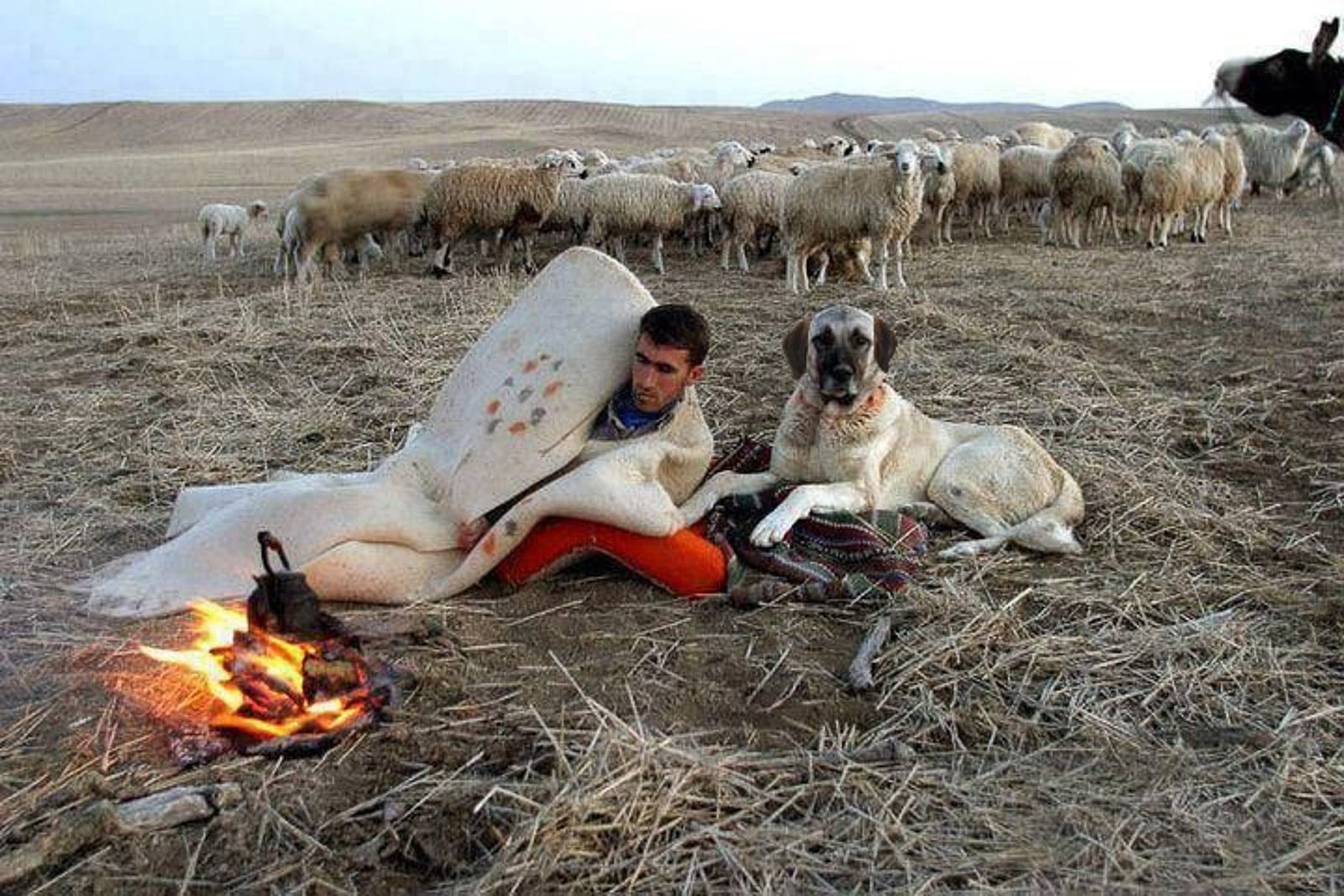
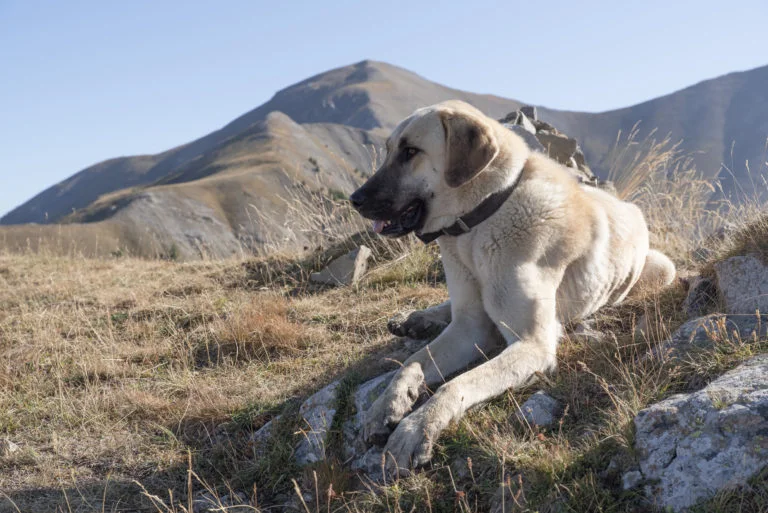
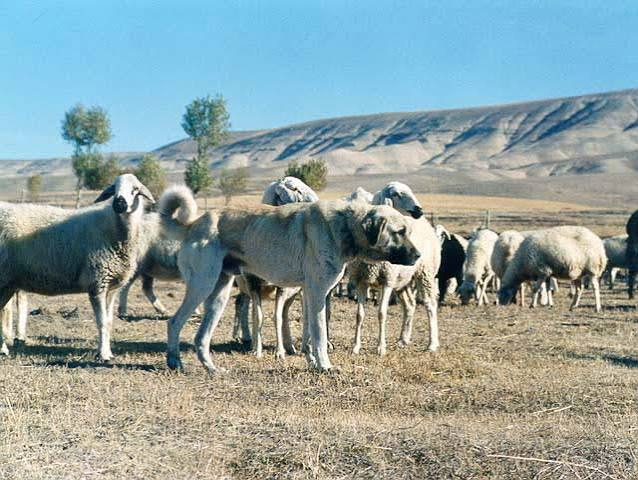
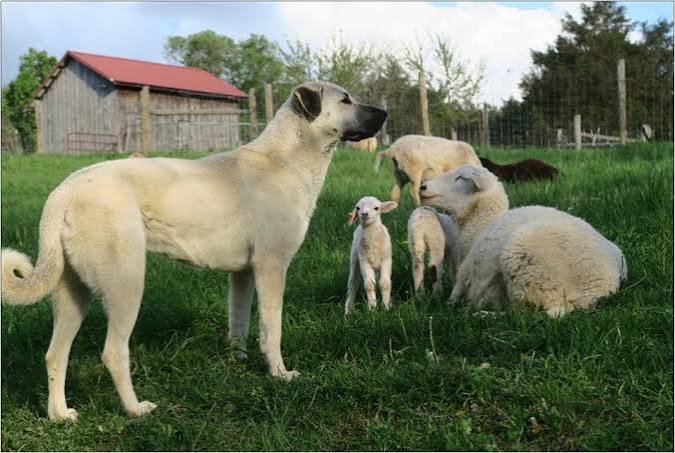
In Turkey today, the breed is known as Çoban Kopegi (cho-bawn ko-pay) which translates to “Shepherd’s Dog”. He is a livestock guardian dog, living his life in constant association with his sheep or goats, and is accepted as a member of the flock (he is NOT a herding dog). The extraordinary speed and agility of the Anatolian Shepherd Dog enables him to run down a predator with great efficiency.
- TemperamentIndependent NatureBred for millennia to exercise independent judgment. Superb companions with proper and consistent socialization.
- PurposeLivestock GuardianFirst and foremost a livestock guardian. Their mere presence keeps carnivores away ninety-nine percent of the time.
- HealthHealth & SoundnessThe club’s Breed Health Survey, with the OFA and CHIC, tracks health trends in the breed worldwide.
The Season
Conversations with the club preserving the working temperament, abilities, health and soundness of the Anatolian Shepherd Dog.
Subscribe on Apple Podcasts, Amazon Music, Spotify, or your favorite podcast app.
Questions about the Anatolian Shepherd Dog.
What prospective owners ask most. Don’t see your question? Reach out to the ASDCA.
What is an Anatolian Shepherd Dog?
The Anatolian Shepherd Dog is a livestock guardian dog native to the rural districts of Turkey and Asia Minor, where it is still the shepherd’s companion and front line of defense against predators. In Turkey the breed is known as Çoban Kopegi, which translates to “Shepherd’s Dog”.
He lives in constant association with his sheep or goats and is accepted as a member of the flock. He is not a herding dog. The AKC recognizes the breed in the Working Group.
How big do Anatolian Shepherd Dogs get?
- Dogs · from 29 inches at the shoulder, 110 to 150 pounds
- Bitches · from 27 inches at the shoulder, 80 to 120 pounds
The breed standard describes the Anatolian as large, rugged, powerful and impressive, with great endurance and agility. Full maturity comes at about age 3.
What is an Anatolian’s temperament like?
The breed standard calls the Anatolian alert and intelligent, calm and observant, instinctively protective and highly adaptable. The ASDCA describes a fiercely loyal guard dog with a possessive attitude toward family, property and livestock.
Anatolians are suspicious of strangers and reserved in public, and may expect a formal introduction before tolerating familiarity. They were bred for millennia to exercise independent judgment.
Is an Anatolian a good family pet?
With proper and consistent socialization, Anatolians can make superb, deeply bonded companions, but the ASDCA is clear that they are not pets in the conventional sense of the word. These ancient guardian dogs will protect, and they need a strong, consistent leader.
They require substantial fencing in all but open range settings and should never be off leash off their property. The club describes a large yard with a 5 or 6 foot fence and a locked gate as ideal.
Are Anatolian Shepherd Dogs good with children and other animals?
The ASDCA describes the Anatolian as affectionate with family and fond of well-behaved children. A dog may be protective of its children, so careful supervision of children around the dog is recommended.
Anatolians do best when introduced to other animals under supervision as puppies. Puppies usually adapt well to family pets or livestock.
Can an Anatolian guard my livestock?
Yes. The Anatolian is first and foremost a livestock guardian dog. Anatolians have guarded sheep, goats, cattle, llamas and poultry, and their first defensive measure is simply to stand and be seen. Researchers found the dogs’ mere presence kept carnivores away ninety-nine percent of the time.
The instincts are inborn, but a puppy still has to learn the job under close supervision. Most dogs are considered finished stock guards at 12 to 18 months. The ASDCA lists working dog mentors on its site.
How much training and socialization do they need?
A lot. The ASDCA says it is necessary to socialize the Anatolian from puppyhood and calls obedience training an absolute necessity. A good puppy kindergarten class is a must, and socialization will not hinder the dog’s natural working ability.
Their natural independence can make them slower to respond to commands, so discipline should be firm, fair, consistent and immediate. Personal protection, bite work and Schutzhund training are strongly discouraged for this breed.
Do Anatolian Shepherd Dogs shed?
Yes, seasonally. The coat ranges from short (at least one inch) to rough (about four inches), usually with a thick undercoat. It needs little care except during seasonal molting twice a year, when thorough brushing is required.
The classic coloring is fawn with a black mask, but all color patterns and markings are equally acceptable. The breed has little doggy odor and does not drool.
Are Anatolians healthy, and what should a breeder test for?
The ASDCA says the Anatolian is not known to be prone to any particular disease, with an average lifespan of 11 to 13 years in a normal, safe environment.
- Hips · responsible breeders radiograph all breeding stock, so ask for OFA certificates on the sire and dam
- Eyes · entropion (inverted eyelids) is present in some lines
- Ears · ear infections are fairly common because of the drop ear
- Anesthesia · the breed may be sensitive to it
In 2026 the club launched a Breed Health Survey with the OFA and the Canine Health Information Center to identify trends in the health of the breed worldwide.
How do I find a breeder, and what does a puppy cost?
Start with the ASDCA Breeders List. The club’s buyer’s guide suggests asking to see the sire, dam and litter, and asking for the pedigree, hip certificates, references from previous buyers and a written contract.
Puppies usually cost between $1,500 and $3,500, depending on the parents, the litter and the breeder’s reputation. Expect the breeder to ask about your fencing, your other animals and the time you have for socialization.
A new club story, every Thursday.
Follow the series on your favorite app, or watch on YouTube, so you never miss a story.