

142 – Lorrie Carlton|Bichon Frise Breeder of Flynn
Lorrie Carlton and Bichon Frise: Pure Dog Talk Breeder’s Voice
Lorrie Carlton, breeder of Flynn, GCH Belle Creek’s All I Care About Is Love, came to her Bichon Frise breeding program with a background in sporting, hound and working breeds. Her firmly ingrained focus on structure and movement has continued through more than 40 years.
Carlton’s family raised Weimaraners and owned a boarding kennel and grooming shop. She grew up with bird dogs and showed her first dog at 11 years old. The family moved in to handling show dogs and added Old English Sheepdogs to their pack. Carlton worked in the kennel and groom shop after school and learned grooming by watching starting at 14.
Following in her dad’s footsteps, Carlton became a licensed professional handler. Her favorite win? Group 1 with the Borzoi at Westminster Kennel Club in 1993 under Robert Forsyth. She retired the following year to assist her new husband, Larry Letsche, at his veterinary clinic in Michigan.
In 1976, just three years after the breed was recognized by AKC, Carlton piloted a Bichon named Sam to Best in Show in place of her father, who had been hurt. Sam made her fall in love with the breed. Just five years later, she won the national with her first Bichon of her own.
Correct Structure Before a Pretty Face
“I’ve got to have the structure,” Carlton said. “You can fine tune the little things, but you can’t fine tune the whole dog, especially the front. (My first) dogs didn’t have the classical pretty head. I figured I’d breed to the head at some time, but they have to have the structure first.”
Rebuilding her program after a devastating bout with juvenile cataracts in her line, Carlton continued to focus on structure, temperament and health.
“I breed my dogs for myself,” Carlton said. “I want a dog that is sound, that can come, that can go. Yeah, I want a pretty face, just like everybody else does. But I want proper coat, I want proper attitude and I want the health. I don’t want health issues. I can’t say I haven’t had some, but I don’t know anyone breeding dogs for any length of time that hasn’t had some.”
Nicks and Flukes in Breeding Program
Carlton shares her stories about dogs that make a good “nick” with her lines and the “flukes” she won’t use in a breeding program. Her horror stories of breeding the “best to the best” and her preference to breed to the sire of a dog she likes.
“Successful breeders are honest with themselves,” Carlton said. “They are honest with what they have. They are not willing to compromise. They have a standard that they have set for themselves.”
Raising Bichon Frise Puppies
Carlton’s puppies are born in her kitchen, go to work at the vet clinic with Lorrie and Larry. She said they watch the puppies grow, making their selections around 10 weeks. She’s looking for that great puppy that has attitude, a certain look, a pretty face, pretty body.
“We put them on the ground and watch them walk,” Carlton said. “The ones we like, we hang on to. I separate the puppies at 7-8 weeks so they are sleeping the night through in their crates when they go home with new owners. We walk them on a leash. Teach yes and no. For sure, put a little extra into the dogs who have the potential.”
Carlton says she wants watch how the puppies react as they go through training, that she wants them to go through the uglies. “I don’t want them to stay beautiful all the way through (growing up),” she added.
Share the Bichon Frise Love through Mentoring
Love Bichon’s and want to learn more? Lorrie wants to encourage newcomers and offers mentoring to anyone who is interested.
“We need new people,” Carlton noted. “Especially in our coated breeds.”
Bill McFadden and Flynn
Watching Flynn and professional handler Bill McFadden this year has been a treat for Carlton, who normally specials her own dogs.
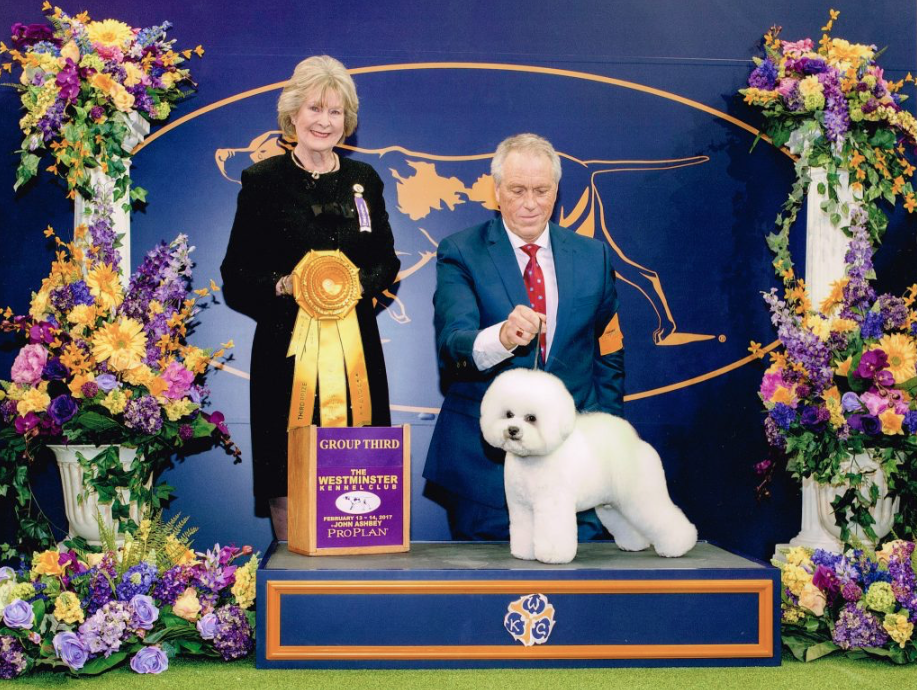
Bichon Frise Flynn with Bill McFadden
“It’s nice to be able to see your own dog out there,” Carlton said. “It’s like, wow, this is what 40 years of breeding brought me.”
(…and you know Pure Dog Talk LOVES Mr. Bill)
141 – How to Rise to the Top|Katie Bernardin and Giant Schnauzer Ty
Rise to the Top: Katie Shepherd Bernardin and Giant Schnauzer “Ty”
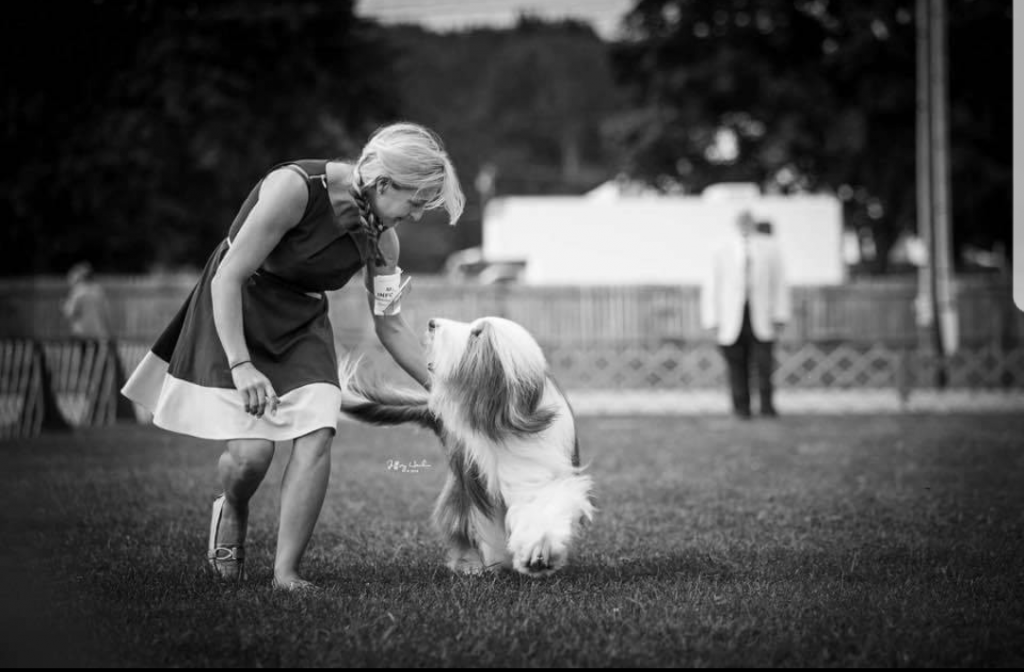
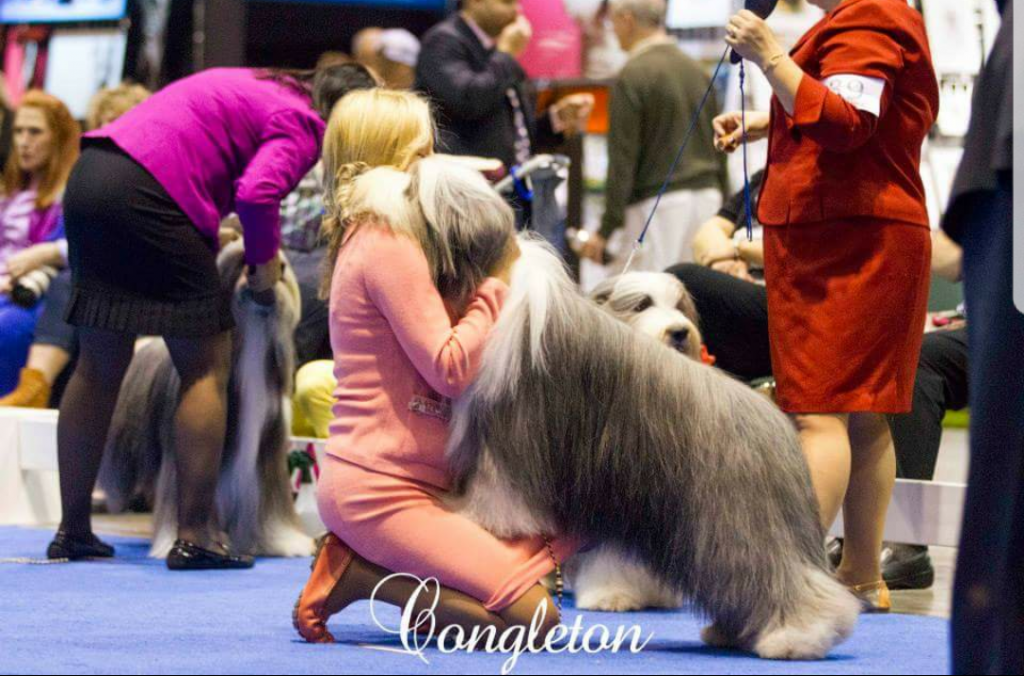
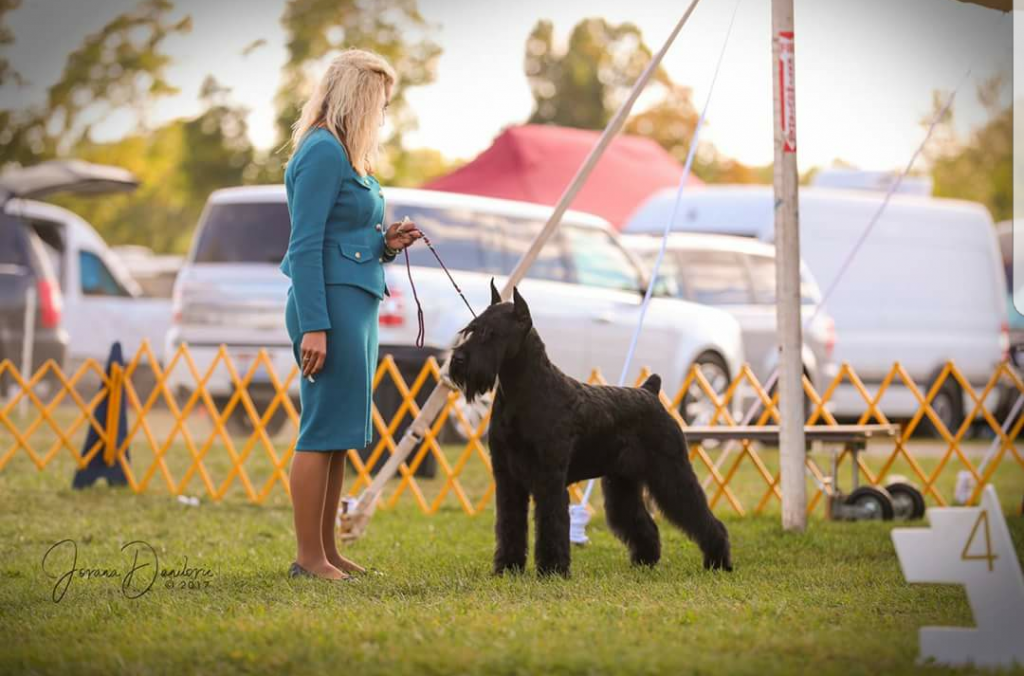
Katie Shepherd Bernardin is the handler of Ty, the Giant Schnauzer in a ridiculously tight competition for number one dog of all breeds.
At the tender age of 31, Katie stands as one of the youngest handlers to run this grueling race.
And, in the midst of this hectic, busy, insane year, Katie married Adam Bernardin in September. Just in case she wasn’t crazy enough…
Living and loving on the way to number one…
Katie is the poster child for raised in the sport. She started attending shows with her grandmother (while still in a stroller!). Her gramma bred miniature schnauzers and Katie remembers standing on a stool to help dry and chalk the dogs for the ring. She showed her first dog at age seven and hasn’t looked back.
After years spent working for professional handlers, including Lori Wilson-Paust and Andrew Doyle, Katie says showing a working dog (versus sporting dogs and sighthounds) has been a significant challenge.
But, always learning is her mantra.
“You can’t stop learning,” Katie said. “I learn something every day. From Adam, from Lori, from Angie Lloyd. I can always call and ask a question.”
To Be Number One, Seek Mentorship
Katie’s strongest recommendation to young people coming up in the sport is to seek mentorship.
“You have to love your job,” Katie said. “You have to do it with a passion. You sacrifice your own life to make sure the dogs always come first. You take care of the dogs. But you have to *learn* to take care of dogs.”
Katie’s best recommendation for anyone in the sport, “Go watch a different breed. Watch how the handlers put their hands on dogs. You need to build a bond with a dog. Go work for a handler. It’s a very hard life. You need to learn that it’s a whole lot more than showing up at the dog show with your dog.”
Know Your Breed and Be Prepared
She adds that she has dealt for years with the potential for bloat. “You need to know the breed you’re carrying. The more you know, the more you prepare yourself, the more confident, the more you won’t panic in a situation. Be confident and know what you’re doing. Knowledge gives you confidence and confidence kills panic.”
Ty the Giant Schnauzer
In a complete switch from most top dogs, Ty goes home between dog shows . Katie said he needs downtime. “He’s a thieving monster,” Katie said. “He steals steaks off the counter. He’s the ultimate “dog is a dog”.”
Katie’s positive suggestions for continuing to move toward the never stop learning motto include: That we have intelligent conversations. That we be involved. That we work hard. That you never stop trying your best.
Katie Bernardin”s Best Tip
Her best tip? “Think of someone you really admire in the sport, and imagine they’re always looking over your shoulder. Act like they are always watching.”
Allison Foley’s Tip of the Week
Don’t miss Allison’s Tip of the Week after Katie Bernardin today!
Check out Poodle University, Juniors 101, and many more grooming and handling courses at Leading Edge Dog Show Academy.
140 – Show Dog of the Year Awards|Corey Benedict
Show Dog of the Year!
It’s the Awards time of year in the purebred dog fancy. The AKC National Championship show presented by Royal Canin this weekend will feature the announcement of a number of huge awards from the AKC, including their nominees for Breeder of the Year and the ACE award winners for heroic dogs.
But voting is also underway for awards influenced by the purebred dog fancy at large.
Show Dog of the Year Awards
Corey Benedict, Northeast Area Manager for the Breeders Enthusiast Group at Purina ProPlan, oversees the Show Dog of the Year Awards presented by Purina and Dog News Magazine in February during the Westminster Kennel Club weekend in New York City.
Benedict, who worked for Walt Disney World as a show director for nearly 30 years, is also a breeder of Grand Basset Griffon Vendeen and president of the GBGV Club of America.

63rd Year of the Awards
He noted that the Show Dog of the Year awards are now in their 63rd year, having originally been sponsored by Ken-L Ration. He credits ProPlan’s Anne Viklund with continuing the tradition, previously known as the Winkies, after the last co-sponsor, Dogs in Review magazine, went out of business.
Our Favorite Bill McFadden to MC
The black tie, by-invitation-only event held at the elegant Gotham Hall on Saturday, Feb. 10, will be MC’d by Bill McFadden and “BestMinster” with a few surprises thrown in.
The glamorous evening celebrates the winners of the Show Dog of the Year based on Dog News points calculations, the Champions Cup based on the most points earned at Purina-sponsored shows, the AKC Achievement awards for Juniors, Obedience and Agility, the Anne Rogers Clark award for outstanding achievement in the sport and, finally, the Pro Plan Awards.
Don’t Forget to Vote
This final category is where you, our listeners, come in. Everyone in the purebred dog fancy is encouraged to vote for their favorites of three nominees, selected by committee, in each of the five categories.
Breeder of the Year
NOMINATING COMMITTEE FOR BREEDER OF THE YEAR
Armando Angelbello, Eileen Hackett, and Doug Johnson
The Best Breeder recipient should show a record of consistent quality over time, a high percentage of outstanding dogs, dog-friendly responsible kennel facilities and showing success at national and important specialty shows.
Nominees for Breeder of the Year:
Karen Fitzpatrick — Meadowlake Border Terriers
Lisa & Harry Miller — Kiarry American Foxhounds
Bill Shelton & Steve Leyerly & Becky Williams DVM — Coventry Pembroke Welsh Corgis
Professional Handler of the Year
NOMINATING COMMITTEE FOR PROFESSIONAL HANDLER OF THE YEAR
Kellie Fitzgerald, Bergit Kabel, and Valerie Nunes- Atkinson
Professional handlers are undoubtedly among the most visible participants in our shows; therefore courtesy, civility and a spirit of true professionalism must be hallmarks of nominees in this category. These qualities should be extended to clients, judges, fellow exhibitors and handlers, and attending public. Criteria should include handling ability, care of animals in their charge, long-standing achievement in the sport of purebred dogs, and consideration for success over the previous 12 months.
Nominees for Professional Handler of the Year:
Angela Lloyd
Tiffany Skinner
Mike Stone
Judge of the Year
NOMINATING COMMITTEE FOR JUDGE OF THE YEAR
Barbara Dempsey Alderman, Frank Sabella, and Bill Shelton
Voting criteria for best judge is relatively simple. The recipient should have shown good judgement, courage of conviction, knowledge of and adherence to demands of breed standards, origin and purpose, courtesy, shown efforts to assist novice exhibitors, and any other factors which during the previous 12 months might be considered especially noteworthy.
Nominees for Judge of the Year:
Peggy Beisel McIlwaine
Dana Cline
Doug Johnson
Owner/Handler of the Year
NOMINATING COMMITTEE FOR OWNER/HANDLER OF THE YEAR
David Fitzpatrick, Jean Hetherington, and Patricia Trotter
Nominees in this category are individuals who show their own dogs, dogs owned by members of their immediate family or those they actually co-own with another person or persons. Charging fees to show dogs for others would effectively eliminate an individual from consideration in this category. Sharing expenses with other owners would not be construed as charging a fee. Criteria should include quality of the dogs bred and exhibited, handling ability of the individual, condition and care of animals exhibited, spirit of sportsmanship and observance of proper ring etiquette, and long-standing achievement in the sport of purebred dogs. Consideration may also be given for success over the previous 12 months.
Nominees for Owner/Handler of the Year
Georgette Franzoni
Julie Mueller
Cody Sickle
Show of the Year
NOMINATING COMMITTEE FOR SHOW OF THE YEAR
John Ashbey, Kim Booth, and Vicki Holloway
Limited to all-breed and Variety Group Shows that excel with appropriateness of judging panel, efficiency and smoothness of operation, hospitality of club membership, Venue (quality and supervision of showgrounds, parking areas, personal accommodations, general cleanliness), and convenience of rings for handlers and exhibitors. Criteria should also consider communications systems, efforts made by show-giving club to create spectator interest and understanding of the event and effort expended by show-giving club to make the show a memorable and enjoyable experience for the exhibitor. In addition, consider attempts made by show committee to attract entries that reflect the state of the show’s respective breeds and the effectiveness of the club’s most recent show(s) should bear particular significance. Show must have been held within the past calendar year
Nominees for Show of the Year:
Ann Arbor Kennel Club
Greeley Kennel Club
Kennel Club of Philadelphia
VOTE before December 31
Learn more about the nominees and VOTE before Dec. 31, 2017 at:
139 – Dog Show Mentor with Laura Reeves
Laura Reeves on Dog Show Mentor – Safe Travels
At Pure Dog Talk we are proud to support all of our friends providing educational resources to the purebred dog fancy. Lee Whittier, the Dog Show Mentor, recently invited Laura Reeves to talk with her members about travel and safety tips while attending dog events. Lee was gracious enough to return the favor and share the interview with our listeners!
Tips from Laura Reeves
Whether traveling by car, RV or airplane, long distance or short, we have tips and recommendations to help ease the trip.
- PICK UP after your dog!!
- DO NOT wash dogs in the hotel bath tub!!
- Carry a leash and a gallon of water for every dog in the vehicle.
- Pack for safe ingress/egress.
- Carry shade cloth in summer and chains in winter.
- Always be prepared.
- Install a temperature monitor.
- Nothing is more important than your animal’s safety and well-being.
- The best guarantee of your animal’s safety is direct supervision.
- RV maintenance — tires, generators, etc
- Electricity — know what it can and cannot do.
- Long-distance, cross country driving — get dogs out every 4 hours. Get food, fuel, potty dogs and people all in one stop. Plan ahead for shorter drives to accommodate this schedule.
- Keep a light weight pen on top of the stack to set up for young dogs to contain.
- Avoid feeding before driving to avoid car sickness
- Air travel — Not all airlines are created equal — Alaska is amazing.
- Know airline and their requirements.
- Be prepared to provide a bigger crate if needed.
- Fly your own wheels.
- Freeze water buckets to hang in crate.
- Put a small scissor or sharp object in an easily accessible pocket of checked baggage to cute zip ties on crates.
- Easier to travel with a friend.
Personal Safety
As a final topic, Laura offers the Dog Show Mentor some awareness topics for personal safety while on the road.
Input from retired Law Enforcement Officers
- Stay alert and aware.
- Pay attention to your surroundings.
- Body posture, head up, shoulders back.
- Stay in well-lighted areas.
- Situational awareness.
- Avoiding conflict is vastly better than fighting.
- Keep keys and cell phone with you.
- Bad guys don’t want to be the center of attention. Make a racket.
- If you have to fight, cheat. Your goal is to win, stay alive.
- Stay in touch with a friend or family member as regards expected travel.
- Make use of non-lethal deterrents… Pepper spray etc
- Dogs help deter, but don’t assume it will always work.
Allison Foley’s Tip of the Week: Dogs that Chew
Listen in to Allison’s best suggestion for dogs that chew their hair or beds… today on PureDogTalk.com
138 – Dawn of the Dog|Jan Koler-Matznick
Jan Koler-Matznick: Daring New Hypothesis Regarding the Origin of the Dog
Dawn of the Dog? What if dogs are really kissing cousins to wolves, not direct descendants?
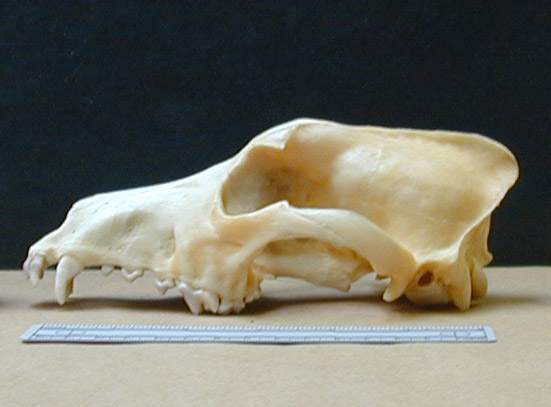
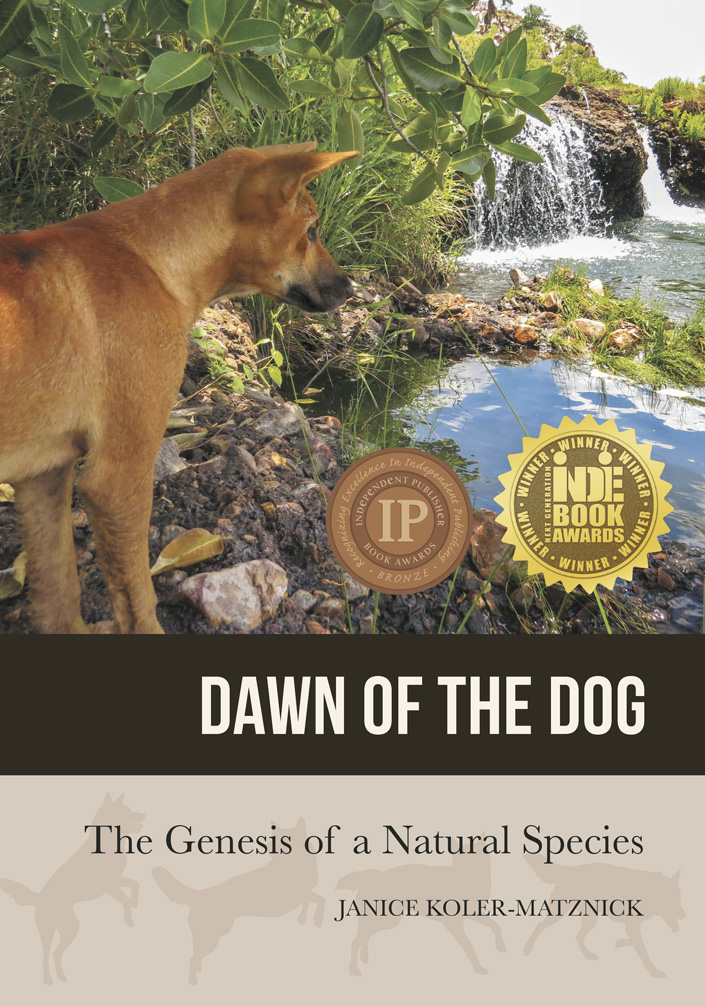
Jan Koler-Matznick didn’t plan to be a heretic when she grew up. Nonetheless, her 2016 treatise, Dawn of the Dog: the genesis of a natural species, flies in the face of scientific hypotheses established for decades. Jan’s years involved in purebred dogs, working as a biologist and behaviorist, working with wolves and New Guinea Singing Dogs left her convinced that it was not realistic to believe that domestic dogs are direct descendants of canis lupus, the grey wolf.
“The people who are doing the research, writing these things, were never intimately involved with these animals,” Jan said. “I have worked closely with domestic dogs, wolves and New Guinea Singing Dogs (dingos).”
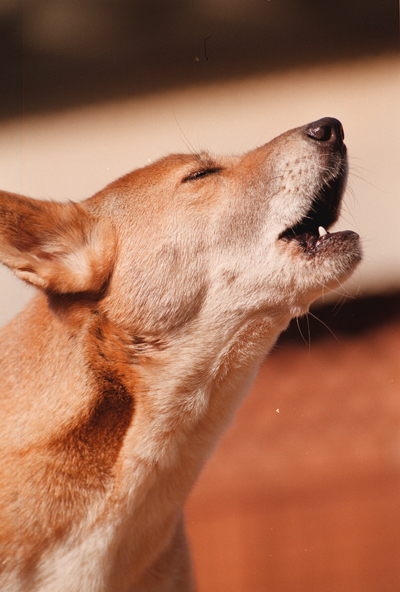
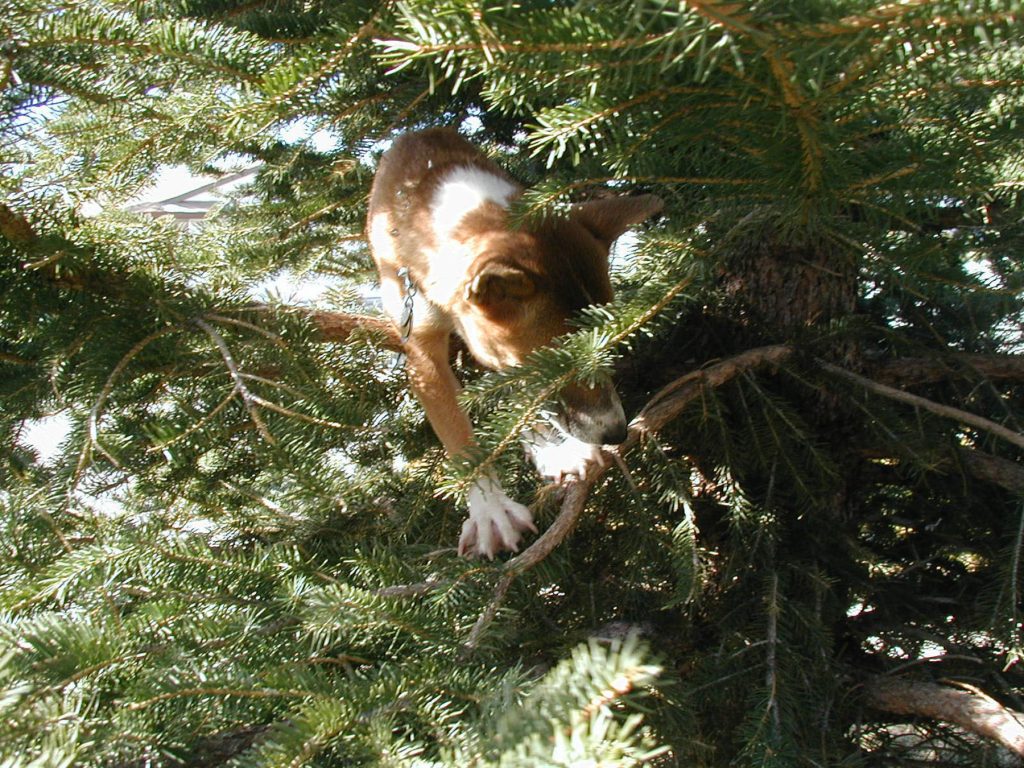
New Guinea Singing Dogs
It was her desire to study the most primitive dogs, animals largely unimpacted by humans, that led her to the New Guinea Singing Dogs.
“I got my first two (NGSD) puppies home from the airport in Portland,” Jan remembered. “I was standing there in my kitchen with my mouth open, thinking to myself, I don’t know what they are! They’re not dogs. They’re not wolves…”
In reference to the DNA analysis connecting dogs and grey wolves, Jan noted that similarity of DNA does not mean ancestor/descendant relationship. “Two species can have extremely similar DNA because they came from a common ancestor.” In other words, Jan hypothesizes that there was one progenitor to both the wolf and dog.
“I think someday the ancestor of the dog will be found lying in a museum drawer some where,” Jan mused. “Most of the new species described in the last couple decades have come out of museum drawers because they were misidentified or not identified at all.”
She is looking forward to results from a UK group studying the origin of the dog. A researcher has put together an international consortium of specialists conducting a significant study using ancient wolves and dogs, sequencing DNA from their bones. “I’m hoping we’ll get some answers before I die.”

Listen to Jan Koler-Matznick on Pure Dog Talk
Listen to this fascinating interview on Pure Dog Talk and read her book available on Amazon.
Janice Koler-Matznick has a Bachelor degree in Biology, a Masters in environmental science, a certification in applied animal behavior (Board of Professional Certification of the Animal Behavior Society), and 45 years experience as a dog trainer. She is a member of the International Union for the Conservation of Nature Canid Specialist Group and has authored/co-authored journal papers on the New Guinea dingo, dog origin, dog cognition, and the uses of dogs. Her special interest subjects are the origin of the dog, dingoes and aboriginal village dogs.
Featured Photo Credit: Lynn Jackson
137 – Scent Work for Sport and Service, Jon Sarabia
Scent Work – The Nose Knows
Scent Work is an accessible sport for handlers and dogs that builds on the one thing ALL dogs do well — sniffing. AKC’s brand new Scent Work program, and the events from which it is derived, are amongst the fastest-growing sports in purebred dogs. We visited with some of the judges and participants in this new game to bring our listeners in-depth and up-to-date information.
Jon Sarabia – Scent Work Judge
Our podcast interview today features Jon Sarabia, a retired military dog trainer based in Missouri, who is now active in the sport as a competitor and judge.
Listen to our talk with Jon Sarabia from Amore K9 Training in Sedalia, MO as he describes the way he starts dogs out learning how to find two drops of essential oil on a cotton ball buried under a foot of dirt.
We also had a chance to talk with Penny Scott-Fox, the Southern California trainer who was a founding member of the National Association of Canine Scent Work, Hallie McMullen, who has been training dogs for law enforcement detection work for over 20 years, and Karyn Eby, a Washington State based trainer who transitioned to scent work from advanced field work with her English Cocker Spaniels.
Penny Scott-Fox: National Association of Canine Scent Work
Penny Scott-Fox, NACSW Faculty and Founding Member, AKC Scent Work Judge, Certified K9 Nose Work ® Instructor
PDT:
I would love to hear some more history of how this sport began and what you think has propelled it to be so overwhelmingly popular.
PSF:
The original sport NACSW (National Association of Canine Scent Work) was started by Ron Gaunt and two of his students, Amy Herot and Jill Marie O’Brien. They realized that the scent work part of detection training could provide a lot of fun for dog enthusiasts and pet owners alike. It exploded. After selecting seven instructors to help them teach the sport (I am one of the original seven), classes started everywhere. People became certified nose work instructors across the country and soon there was an enormous demand for trials.
To be honest, it has been hard for the NACSW to keep up creating frustration in exhibitors being able to get into trials. Also in order to earn a title with the NASCW the team needs to earn a 100 percent score. Now there are long wait lists for trials and sometimes one has to travel great distances. As the sport continues to grow there seems to be more frustration with NACSW.
PDT:
I’ve gotten differing opinions as to the ease or, I guess, accessibility of the sport for folks new to the concept. Can you give us a typical training routine for a new dog, of any age, to prepare for a novice level trial? How does that time investment change as you go to higher levels of competition?
PSF:
Nose Work (NACSW) or Scent Work (AKC) is fun, there is no doubt about it. Anyone can do it, almost any dog can do it and you don’t have to be super fit to run your dog. The training is straight forward. There are a lot of instructors available plus some good online courses. You don’t need a ton of equipment to practice so it makes it a very accessible game to play with your dogs. Any age dog can do it too. I always start my puppies off at eight weeks and they are able to compete at one year (NACSW) or 6 months (AKC).
That being said like any sport; it’s not easy, it does require training and the dogs need to understand the game in lots of different environments. There are four odor elements in each organization. Each element requires the dog to find the odor and communicate to his handler that he has found it. The handler does not know where the hide is. The NACSW uses Interiors, Exteriors, Containers and Vehicles for its titling searches. As you progress up the levels the searches become more complex with more hides, distractors and time pressure.
The AKC uses Interiors, Exteriors, Containers and Buried as their elements and one can earn ‘legs’ for each search that is successful. The AKC also has a fifth element, which is handler discrimination. The AKC requires that you pass each element three times to earn a title. The NACSW requires that you pass all the elements on the same day.
As the AKC Scent Work division evolves I think we will see trials as popular as agility trials popping up everywhere making it much easier to trial and earn titles. With everything it does depend on both the handler and dog to assess how quickly they could become trial ready. I teach a lot of Nose/Scent Work classes and certainly have students who could be ready to trial within six months of training and some even sooner. With the long wait lists within the NACSW, teams don’t progress that quickly through the title range unless they are very lucky to get in to trials thus they keep training and are often ready by the time they get in. With the onset of AKC Scent Work I think that will change and the teams may struggle at the high levels as their dogs wont have the mileage or search experience.
PDT:
What is one of the most important mistakes to avoid in training? One of your most fool proof, reliable training tips?
PSF:
In my opinion a common mistake that teams make is they start ‘testing’ the dog early on by doing blind searches to see if they are ready to trial. A blind search is where the handler doesn’t know the location of the hide so that have to rely on the dog for the final communication. Often they are not ready for that and if the handler get nervous the dogs often false alert by going into obedience mode in order to apeeze the handler.
I always try to keep it simple and end any training session on a successful note.
Hallie McMullen: Law Enforcement Detection
I have been training dogs for law enforcement detection work for over 20 years. I was so excited to see the sport world getting involved and providing the opportunity for all dogs to enjoy this work. I am an instructor for Scent Work and I am also a judge for NACSW and the AKC.
I love starting older dogs. They already understand some things about training/learning and the handler usually reads their behavior pretty well because they have a relationship. I use the same initial techniques as puppies. I make my adjustments more by the drive and motivation of the individual dog than the age. I like to take advantage of what comes naturally to each Dog. It is really important that it is always fun and engaging. The handler needs to be dynamic without interfering with their dog. Trust Your Dog!!
Karyn Eby on Scent Work: The K9 Tutor
PDT:
We visited with Jon Sarabia about how to get started in Scent Work. Now I’d like to talk about how to go to a higher level in the sport.
KE:
My first recommendation is to have a solid base to begin with. If you have a dog that has a good hunt drive, that’s where your novice work comes in. When you’re preparing for novice, you’re working on the dog’s hunt drive. As you move on to the next level, it becomes more intricate, in that you’re looking at different types of placement of odors and different odors. Once you introduce a dog to one odor, it’s very easy to add new odors. That’s not so much an issue. To begin with, you’re looking at a single odor. As the dogs advance, then you’re looking at two, three odors in the same room. You’re talking at that point about converging odor. As you move up, you start getting into inaccessible odors, more elevation of hides.
PDT:
When you talk about hunt drive you’re not talking about the drive to hunt birds, but rather to seek?
KE:
That is totally accurate. It’s in their DNA to have that hunt drive. As a competitor, you want to try and bring that out. It’s a natural thing that all dogs have.
There’s a difference between hunting and scent work. When you’re hunting, your dog will let you know. They would work the odor, I’d see them, watch their tail, they push up a bird. In scent work you don’t necessarily know until they communicate it to you. It’s the closest you can get to being in their world.
PDT:
So how do you learn how to communicate, to hear what the dog is saying?
KE:
Practice, practice, practice. Volunteering, watch the dogs at a trial. It’s so much easier when you aren’t connected to the dog to pick up a lot of this stuff.
There’s an ebb and flow, when you’re on leash, taking leash in, letting it go. Knowing when to be closer, when to give space to work. It’s like a dance with your dog. I love watching really good handlers.
PDT:
Talk to people about how you get to that point of knowing that your dog knows more than you do.
KE:
When I first started, I never completely understood the change of behavior. Once you understand that, it’s much easier to trust the dog. Dogs don’t lie. When things go sideways, often times the handler is not giving the dog enough time to work the problem out or going over the same area more than a couple times, not trusting when the dog says there isn’t anything there.
PDT:
It’s my understanding this is a sport a person can get started with relatively minimal investment of time, equipment etc
KE:
When I start my students, all they have to do is bring a high value treat. When I do my container searches, I have a six foot leash. For interior or exterior searches, I have a 12 foot leash. And I have a comfort flex harness. So, for a total of about $60 you’re good to go. Entry fees for AKC scent work trials are about $20-$25 per element. Other organizations are a bit higher. For AKC you have to pass five elements to earn a title. But you can pick what you want to enter.
This is the fastest growing sport in the US right now. There can be wait lists for trials, much like agility when it first started. It’s just exploded. It’s not too expensive. Literally ANY dog can do it. A blind dog, deaf dog, one with mobility issues. Same for the handlers. A lot of my students are in their late 60s and 70s. Dogs retired from other sports, dog reactive dogs.
Everything from a chihuahua to a Great Dane can do this.
Our dogs are amazing!
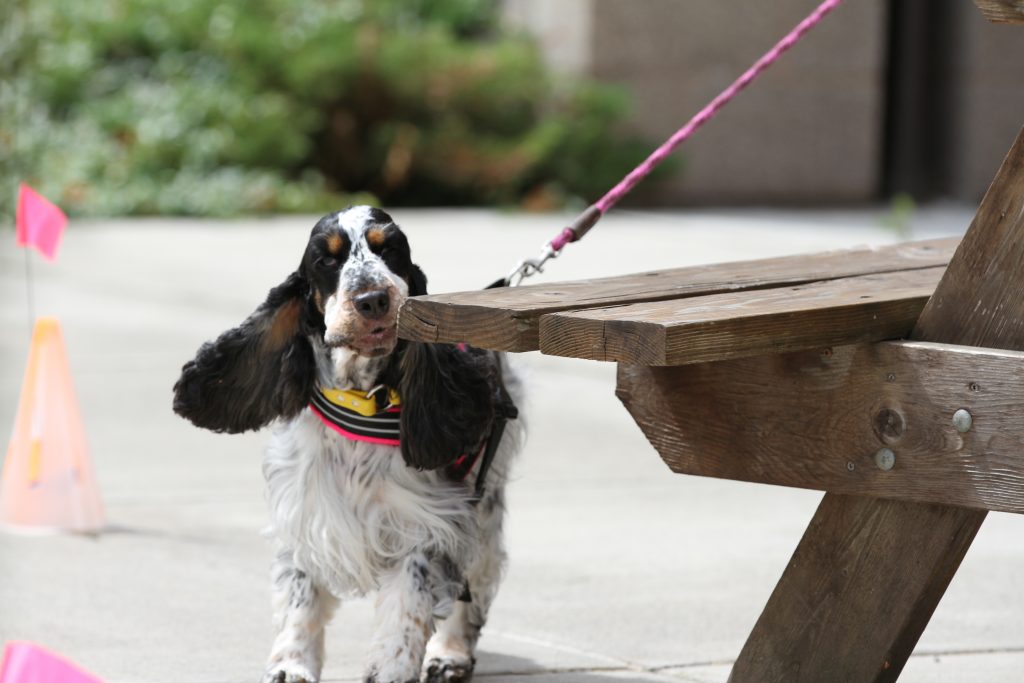
136 – Junior Showmanship Lessons Learned, Gillian McKim
Junior Showmanship and the Future: Interview with Gillian McKim
For many of us in the sport of purebred dogs, whether we are breeders, owner handlers, professional handlers or judges, Junior Showmanship is where it all started. Our love of the dogs, the sport, the development of friendships, rivalries and knowledge… It all started in this ring.
Showing a Clumber Spaniel who *hated* it gave me, personally, determination, the ability to lose with a modicum of grace, the ability to win with pure joy and biceps of steel (from holding his 65-pound head up…) .
We talk a lot *about* Juniors, but I decided it was time we hear directly *from* a junior, in her own words… Laura Reeves
Gillian McKim and Pure Dog Talk’s Laura Reeves on Junior Showmanship
Gillian McKim is a talented young lady with ambition, goals and good hands on a dog. Take a few minutes to really *hear* what the future of our sport sounds like.
PDT: What did juniors give you?
GM: I’ve been around showing dogs for about 10 years. I started with my family. Dog shows and juniors have definitely taught me a great work ethic. You have to keep on going. When it gets hard, you have to keep on progressing. When you train a dog from a puppy, it takes patience. It taught me that not everything comes immediately. You have to keep working at it. It means a lot more starting with a new team and making it something great, than having it right off the bat. It means a lot more to you that you worked for it and you succeeded with it. I really enjoy creating the partnership.
PDT: What is special about dog show competition? How is it different than, say, your competitive water polo team?
GM: At dog shows I learned that win or lose, you take your own dog home. That you should be happy with how you showed to the best of your ability. And if you didn’t, try another day. There’s always another day at the dog show. Water polo was win or lose. Dog shows, it was nice to place in class or win, nice to know I tried my best. You’re always learning, every single day. The day you stop learning, that should be an issue. Even if I got second, makes me happy that the relationship (with the dog) is growing.
PDT: Tell us about learning the nuances of showing different breeds
GM: (I was) reading breed standards over and over… I’d have my mom and my breeders quiz me… You can’t show a dachshund the same as an am staf (American Staffordshire). It taught me how to go with the flow. You have to adapt, which is a great skill, that I’m learning still. It helps with life in general. You have to work with what you have. My adopted dog show family is helping me progress.
PDT: Who are your mentors, your heroes?
GM: I was fortunate to have a lot of mentors. You, Sandy McArthur, my basenji breeder, Wendy Snyder, my dachshund breeder, Chuck Murray, who teaches my handling class and really encouraged me. But I’d say especially my Mom and my Nanna, who are the ones who got me started and helped keep going when times got hard. (These mentors) meant the world to me, because it showed me that I had people who supported me and believed in what I could do, even when I didn’t believe in myself. It helped me push for tomorrow and what is to come.
PDT: What is your transition plan, your dreams?
GM: I personally believe you should learn the ways of dog shows and how to become a professional handler. A lot that goes into it. One needs to learn and pay their dues. After I compete at Orlando and Westminster, and graduate high school, I want to earn my four-year degree and possibly my masters in physical therapy. Because I really want that college background holding me up. …I know certain things will always be here. Dog shows aren’t guaranteed to be as popular any more.
I want to learn more about my breeds. (I want to) figure out where to go, (hopefully) become breeder. But I have to learn more before I do that.
I really like hounds and terriers. I like their versatility. I really enjoy Am Staffs, and I’m intrigued by dachshunds. You can be active with both (breeds), and I enjoy their background. Am Staffs have some issues here and there. I learned how to help them and help them to earn their “positiveness” in the breed. I greatly enjoyed getting a CGC on my Am Staff and definitely want to help the breeds better themselves.
PDT: What are the top 3 pros/cons to juniors?
GM: On the positive, it teaches a lot about yourself and how you can grow and become better in different in areas. Teaches communication skills. You have to “earn your stripes.”
Things to improve, I feel strongly about presenting dog according to the breed standard. It should be more about presenting the dog, not yourself.
Another positive, it creates a bond, to be a part of team and a family. Dog show family is a huge part of it. How to take success well and how to compromise with the losses. Learn how to take a step back and figure out what you could do better.
PDT: If you were queen for the day, what change would you make to improve dog shows?
GM: More learning. In juniors, learning to present to the standard, knowing your standard inside and out. From knowing how to present the bite all the way down to the details of the breed’s history. Knowing the trivia, knowing anatomy, understanding first aid, learning how to react to an emergency…
PDT: So what’s YOUR 411?
GM: I was just awarded best goalie in the Metro League for water polo. I’m a Navy brat. I grew up on base. I competed in judo, so I’ve always had a competitive side. Academics are super important. I believe in putting those first. Really like how Orlando (ANC) you have to have a minimum GPA. I wasn’t allowed to compete at dog shows if my grades dropped below 3.5… Students come before athletes. Athletics come and go, people can get injured. Academics are always there and part of your future.
PDT: Tell us about some of the scholarship opportunities you’re finding.
GM: Like a lot of kids, we don’t have a lot of money. Loans and scholarships are what I have learned to work with. A lot of scholarship money isn’t used. I really appreciate the American Kennel Club spending thousands of dollars in scholarships to support their juniors and help them continue their secondary education.
PDT: What are you most looking forward to seeing on your first trips to Orlando and New York City?
GM: Christmas in Disney World and trying to find places that will teach me different things in New York.
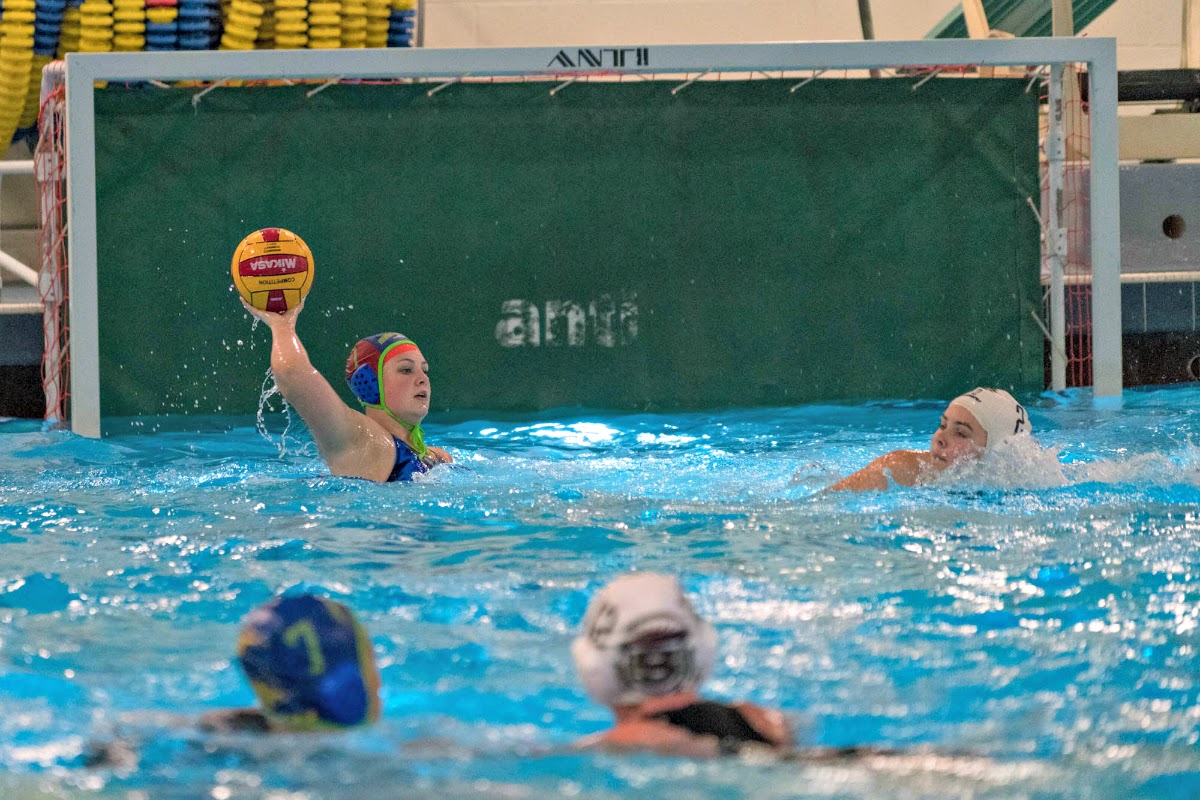
Gillian McKim – from Junior Showmanship to Water Polo
From the American Kennel Club:
“A Brief History of Junior Showmanship”
Part of the mission of the American Kennel Club is to “Take whatever actions necessary to protect and assure the continuation of the sport of purebred dogs.” The AKC’s Junior Showmanship Program is just one example of the kennel club’s commitment to fulfilling this portion of its charter statement.
In the late 1920’s a group of dog show exhibitors led by Mr. Leonard Brumby, Sr., decided to develop a special competition for children. The purpose of the competition would be to introduce a new generation of fanciers to the sport and to give children the opportunity to measure their skills against those of their peers. The children would be judged by how well they presented their dogs with respect to the nuances of the breed being shown. The first Children’s Handling class was held at the Westbury Kennel Association show of 1932, and quickly became a popular feature at other AKC events.
In 1949 the Professional Handlers Association donated a trophy in honor and memory of Mr. Brumby to the winner of the Children’s Handling Classes at the Westminster Kennel Club show. This trophy is still awarded to the winner of the Junior Handler competition at Westminster and is the most sought-after prize in the sport.
Children’s Handling classes were very informal when the program began. The judging of the classes would normally start whenever the first breed ring became available. The judges were usually professional handlers themselves, and the participants were allowed to use any dog that was available to them.
In 1951 the name of the competition was changed from Children’s Handling to Junior Showmanship. Twenty years later, in 1971, the American Kennel Club recognized the virtues of Junior Handler competition and granted official recognition for these classes at AKC events.
The Junior Showmanship program has grown and changed in dramatic fashion since its humble beginnings in 1932. The AKC now has guidelines for participation and adjudication of this event. For example, juniors must be between 9 and 18 years of age to participate. They must win three first placements in the Novice class before advancing to the Open class. Judges must be approved by the AKC to judge Junior classes, and the dogs that the junior handlers exhibit must be owned by them, a member of their family, or a relative.
In 1999 the Junior Showmanship program was expanded to include performance events. Currently, a Junior Handler that handles a dog to a performance title will receive a certificate from the AKC acknowledging this accomplishment.
The American Kennel Club also awards Scholarships to deserving Junior Handlers to encourage them to continue on with their education. The AKC awarded 38 Junior Handler Scholarships in 2002. The Board of the American Kennel Club has just increased the Junior Scholarship Fund from $60,000 to $100,000. This can truly be seen as affirmation of the AKC’s commitment to the youth of our sport.
Junior handlers become ineligible to compete in Junior Showmanship classes at the age of 18. In most cases, their participation in the sport of purebred dog does not cease once they have “aged out” of competition. From the ranks of Junior Handlers we find the future breeders, AKC Club Members, approved judges and Registered Handlers who will be the caretakers of our sport in the future. We see many of these kids go on to pursue careers as veterinarians. One former Junior is now the CEO of the Orthopedic Foundation for Animals; others have gone on to serve as Board Members of the American Kennel Club. Still others have gone onto make their contribution to the sport as AKC employees.
While the Junior Showmanship program itself has gone through changes, the concept and reasons for its implementation have remained the same: to encourage participation in the sport by young purebred dog enthusiasts; to teach good sportsmanship, win or lose; and to educate the next generation of the fancy. So the next time you find yourself at a show with a few moments to spare, stop by the Junior Showmanship ring to witness the AKC’s commitment to its mission statement and the future of our sport.”
Junior Showmanship Handbook from AKC
https://images.akc.org/pdf/rulebooks/REJRSH.pdf
Junior Showmanship FAQs
http://www.akc.org/events/junior-showmanship/faq/
AKC Kids Corner
http://www.akc.org/kids-corner/the-junior-handler-program/
AKC Junior Showmanship Finals
http://live.eukanuba.com/video/3873/junior-showmanship-finals
AKC Junior Recognition Program
http://www.akc.org/events/junior-showmanship/recognition-program/
135 – Flying Your Dog|Tips from Sandy McArthur
Flying Your Dog with Helicopter Pilot and Vet Tech – Sandy McArthur
Flying a dog is, for many of us, a stress-inducing, anxiety-laden nightmare during which nearly all of us practice some form of begging the Air Travel Gods to spare our beloved pet from harm.
Sandy McArthur is a breeder, owner, handler of Basenjis. She admits to being terrified, for years, to fly her dogs, despite her professional background as a veterinary technician and helicopter pilot.
Her breed’s national at Purina Farms this year proved to be the tipping point at which she decided to “bite the bullet” and try flying her dog.
McArthur researched the topic thoroughly, including asking questions of friends in the industry and came away with some valuable tips, suggestions and reminders, which she offered to share with our listeners.
Statistics on Flying Your Dog
First, the stats. Statistically, just like people, dogs are far safer flying than driving. With more than 50,000 animals transported by air on an annual basis, the average number of incident reports indicate that .06 percent of those animals are injured.
Your Nerves or the Dogs?
The far more common concern among owners is that the dog will be nervous during the flight. McArthur said she considered sending her dog by car with a friend, but concluded that the dog was better of being worried for four hours than for a week driving cross country with a stranger.
“I was worried about it more than she was,” McArthur admitted. “One of my vets, when I discussed anti-anxiety meds, asked if they were for me or the dog.”
Tips from Sandy McArthur
Second, some recommendations.
- Know your dog. “Will it handle stress, things like noise and altitude change,” she said
- No drugs, no tranquilizers. “The dog can’t stabilize its body, possibly making it more panicky,” she noted. “And, those drugs are not tested at altitude… Even the AVMA says no tranquilizers. Rescue Remedy or another natural calming aid would be acceptable.”
- Fly Direct. No plane change means a significantly reduced chance of the dog winding up in a different location than you do.
- Look at the airport layout in advance to know where the potty areas are. Many airports now feature these consumer friendly options.
- Know the difference between flying the dog as “excess baggage,” in other words with you on the same ticket and “cargo,” as an independent action. The primary difference is you take it to ticket counter vs a cargo facility in a separate location — “The flight is the same for the dog,” she added.
- Call the airline directly to book yours and the dog’s flight. Dog room, even for dogs under 20 pounds flying in the cabin, is finite. “Don’t be booking your flight on Expedia,” she laughed.
- Size matters. FAA regulations state that the carriers must “execute safe handling of dogs.” The actual federal mandate, set by an independent organization, is the dog must be able to “comfortably stand up and turn around” in its crate. Each carrier uses these guidelines to set up their own procedures and regulations. “I brought two crates,” McArthur said. “I brought the one I wanted her to fly in and I brought the next size up just in case …. You can get an individual airline employee who insists on a bigger crate.”
- You need a health certificate for the dog. Most airlines dictate that the certificate is only good for 10 days. “Be sure to include enough time for your return trip and any potential delays,” McArthur suggested. She added that bringing a rabies certificate, in addition to the health certificate, is always a good idea, although not generally required.
- You may well need a letter of acclimation. The federal guideline is that dogs may only be flown in the cargo hold when the temperature is between 45 and 80 degrees. Anything above or below, the airlines won’t fly without a letter of acclimation.
- Get the dog used to the travel crate if this is a new concept for her.
- Use familiar bedding, but nothing special in case of accident. Disposable bedding plus extra for trip home is a good precaution.
- You can wait at the gate and watch out a window to see your dog loaded on the plane.
With a little careful planning and awareness, flying your dog safely and easily is something most owners can achieve.
Download Sample Acclimation Letter
Successful Flight to Basenji National
“When we got to St. Louis, she was more happy to see me than usual and I was worried she’d been stressed,” McArthur said. “On the trip back when we arrived, she acted like she’d been flying all of her life.”
Flying “Fake” Service Dogs
As an aside to McArthur’s information, it is important to note that flying “fake service dogs” is highly frowned on by the American Kennel Club and the various handler’s organizations.
“Service dogs are defined as those that are individually trained to do work or perform tasks for people with disabilities. The AKC strongly supports public accommodations that allow individuals with disabilities to use service dogs.
“The AKC strongly condemns characterizing dogs as service animals when they are not, or attempting to benefit from” a dog’s service dog status when the individual using the dog is not a person with a disability.
AKC and PHA Handlers Code of Ethics On Flying Service Dogs
The AKC Registered Handlers Program Code of Ethics includes the following statement in which the signer agrees to, “Never falsely represent a dog as a service animal when it is not, or as an able-bodied party, accompany a bona fide service dog to gain travel benefit due to the dog’s status.”
Professional Handlers Association Code of Ethics
The PHA Code of Ethics states, “A member will not misrepresent a dog as a service animal when it is not in order to gain access to the travel benefits of a legitimate service animal.”
Biography of Sandy McArthur
As a first generation dog person, Sandy comes originally from a background of showing/training hunter-jumpers, later 3 Day Event and still training dressage on and off. She adopted her first rescue Basenji in 1992 who has some severe behavioral issues.
Having various “farm dogs” growing up, she quickly became “hooked” on this quirky barkless breed and then joined a local breed club and obtained her first show dog from Terry and Jackie Jones of Dragnquest Basenjis. She is also an AKC Lure Coursing Judge.
In her professional life Sandy is a Certified Veterinary Technician having served as Head Technician and Hospital Manager for multiple facilities over the course of 25 years. She is also a Commercial Helicopter Pilot and Flight Instructor and flies with a local operator.
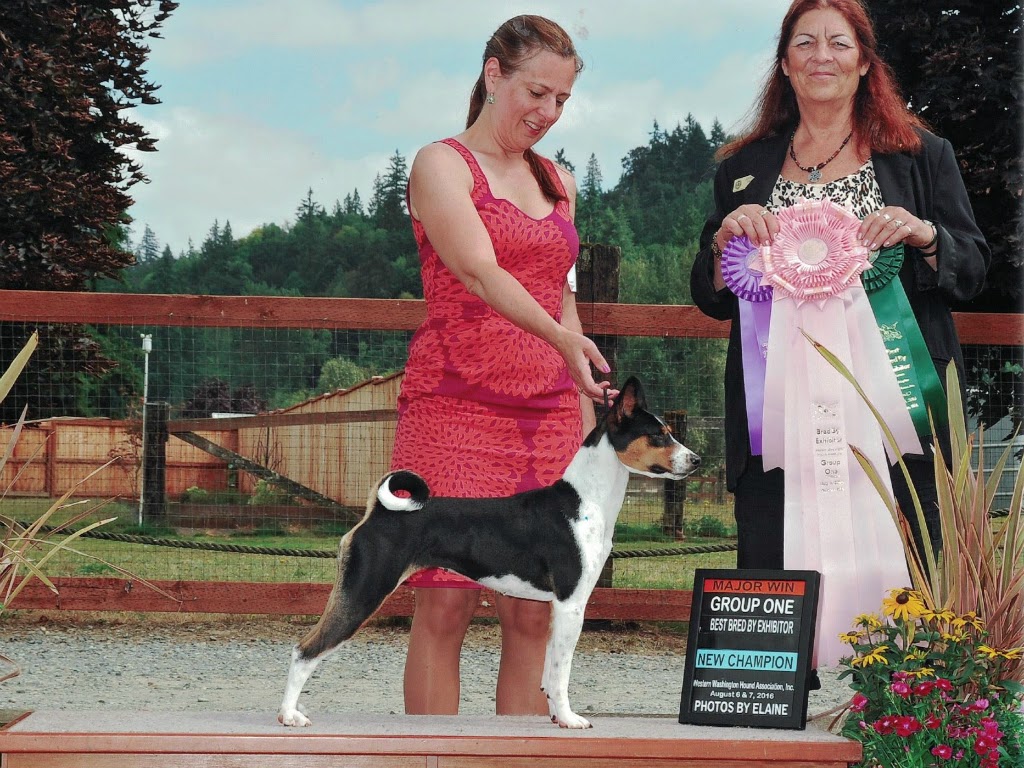
Sandy McArthur and Basenji
Allison Foley’s Tip of the Week: Top 3 Things in My Tack Box
Allison Foley’s Tip of the Week to give you the Leading Edge in showing your dog: Top 3 Things in My Tack Box. Hint: they’re not grooming products. More tips and courses are available at Leading Edge Dog Show Academy.
134 – David Frei|Power Behind Televised Dog Shows
David Frei on Televised Dog Shows – In His Own Words
David Frei hosts the NBC televised National Dog Show Presented by Purina, happening today at noon across the country. David talks with Pure Dog Talk about HIS favorite Thanksgiving snacks, benched dog shows, judging in Shanghai and the power of national television to reach the “outside world” with information about purebred dogs.
David’s favorite snacks… there are doggie treats in a bowl! Say what? And, he reminds our dog show aficionados “No cheating! Don’t take advantage of your insider knowledge to win bets with your family at the dinner table.”
National Dog Show Month
The National Dog Show MONTH kicked off in Philadelphia with a dog walk for charity that benefited multiple different organizations in the city. It also featured the inaugural National Dog Art Exhibit, “The Perfect Dog” children’s musical and a National Dog Show Gala, along with the famed Kennel Club of Philadelphia dog show, which is taped for broadcast on NBC Thanksgiving Day following the Macy’s parade.
“This event really allows us to reach out to public and promote purebred dogs,” David Frei said. “I always feel the pressure of representing our sport to outside world. I want to show the outside world that these great show dogs are real dogs. That the people showing them are real people, engaged in a great family sport. And that we want them to have fun watching the show, learn a little bit about the different breeds. Maybe appreciate their own dog more. The real best in show dog is the one sitting on the couch by them.”
Two Hours of David Frei “Talk”
With so much public opinion against purebred dogs, the National Dog Show gives Frei a two hour televised platform to talk about what makes them so great. “Purebred dogs are all about predictability,” he noted. “Somebody brings home a ball of fluff, if it’s purebred you know what it will grow up to be. If it’s a Pomeranian, it’s going to stay a four pound ball of fluff. If it’s an Akita puppy, that’s a whole other story. It keeps dogs out of shelters because people know what to expect.”
“If you’re somebody who sits at home every night and watches tv, don’t get a Border Collie,” Frei observed wisely. “On the other hand, if you get out and run every day, don’t get a bulldog. Joe Garagiola once asked me, ‘Don’t you wish they could talk.’ I said NO! First, I’d get in trouble. But, second, I know what they want to say. They want to be with us. They want to go everywhere. Dogs are permanent companions for anything we want to do.
“Who can’t look at a dog and smile. If you aren’t that person, there’s probably not much we can do for you. Either on the tv show or in life.”
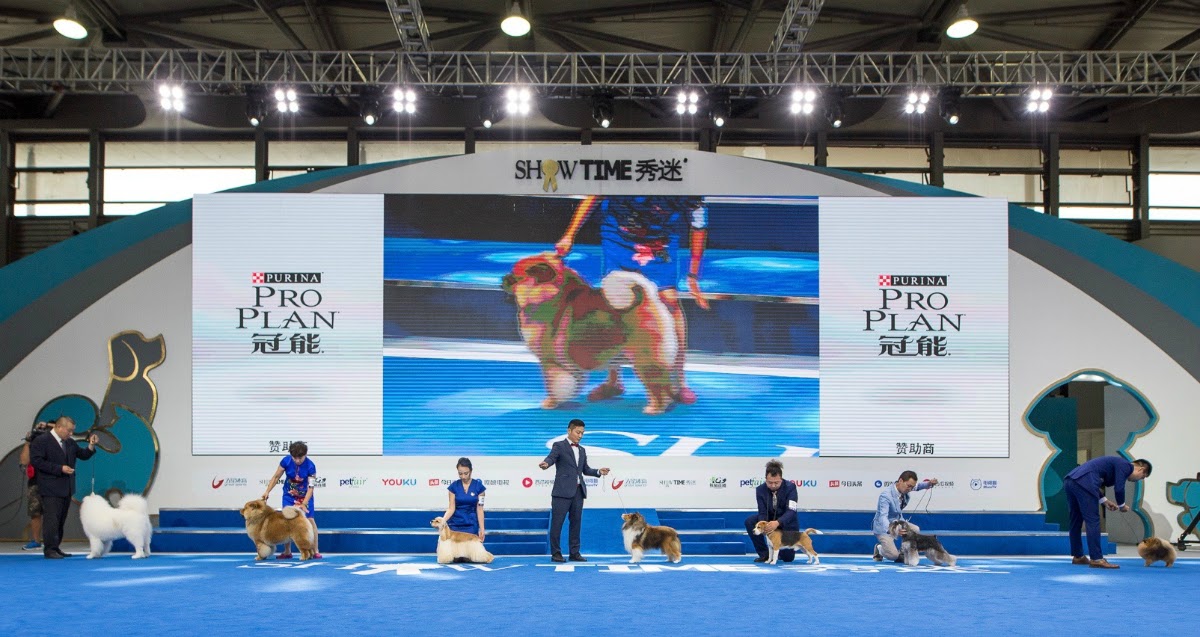
David Frei Judging Best in Show in Shanghai
Judging Televised Dog Shows in China
Frei recently had the opportunity to interact with what is a growing worldwide community of purebred dog lovers. He was invited to judge in Shanghai at the first live televised dog show ever in China.
“We were on TV for two days,” Frei said. “This was the largest pet expo in the country and Purina was a major sponsor for the dog show.”
Frei commented that both dogs and handlers have gotten better since he judged in Beijing a number of years ago. And, even more noteworthy, “Dogs have become more important in the culture. We had huge crowd at the arena. We had enthusiastic commentators. They didn’t speak English, but they addressed the crowd over the PA system the entire time. Every chance we have to promote our sport, which in turns promotes dogs and dogs in our families, is important.
The Dog World is International
“All seven group winners were owner handlers, some were breeder owner handlers. The best in show winning Sheltie had just been in the US, where he won an Award of Merit at the US National,” Frei said. “The world’s gotten to be a smaller place. It helps us get dogs around the world that can maybe help influence breeding programs and the quality and the health and temperaments of the dogs everywhere.”
As the world gets smaller, the historical aspect of some of our traditions grows in importance. Benched dog shows, like the Kennel Club of Philadelphia, while there are now only three remaining the US, were standard operating procedure until the 1970s.
Need for More Benched Dog Shows
“Benching is important for public outreach,” Frei said. “It’s a whole different experience for spectators. Not only can they see all the breeds, see the dogs, get up close and personal. Touch them, pet them, talk to them… You can’t do that with any other athlete in any other sport. But they can also talk to breeders to find about temperaments and care that are important for the breed. This is the greatest thing we offer in terms of an educational opportunity for people to find the next dog for their family.”
And it’s important for the dog show fancy as well. “In this short attention span age we live in, people show, if they don’t win, they pack up and go home,” Frei commented. “This is not good news for our sport. I can’t tell you how many things I learned from Pat Craige (Trotter) sitting next to her on the bench waiting for the hound group.
“Most of my social friends are from the dog world. It’s a great place to be, a great place to have friends, a great activity that you can do with the dog you love.”
David Frei’s Parting Words?
“Hug your dog!”
Dogs Til 2
Don’t Miss the National Dog Show on NBC Thanksgiving Day following the Macy’s Day parade!
133 – Story of How NBC Sports Got the National Dog Show|Jon Miller
Today’s interview with Jon Miller from NBC sports takes you inside the network team that brings the dogs to America on the National Dog Show Presented by Purina.
Pure Dog Talk goes Access Hollywood with NBC Sports Jon Miller
Jon Miller, president of programming at NBC sports is the mind behind what’s been called one of the most perfect pieces of television programming ever.
Now in it’s sixteenth year, the National Dog Show presented by Purina reaches 20 million viewers with a celebration of purebred dogs and all aspects of dogdom.
We have found people care about a lot of things passionately,” Miller said. “They love their families. They love their cars. And they really love and care about their dogs. Dogs are part of their family. The dog show allows three generations of family to watch the dog show after the Macy’s Thanksgiving Day parade and before the football game and dinner. It’s become part of the culture.
How the Best in Show Movie Started the “Show”
According to Miller, the story of this cultural phenomena was born on a cold winter night in January 2002. “My wife brought home movies to watch with friends. One of them was the classic, “Best in Show.” We had six or eight people all watching it. After some of the folks left, we watched it again because it was so funny.”
Thanksgiving Day on NBC – Before the National Dog Show
At the time, NBC didn’t have Thanksgiving Day football. Miller said the broadcast powerhouse had been running “It’s a Wonderful Life” after the Macy’s parade. He called Wayne Ferguson, president of the Kennel Club of Philadelphia (the oldest dog show in the US) and asked if NBC could buy one of the days of the dog show. He called Michael Crawford at Purina and asked if he wanted to help sponsor a big dog show (since Pedigree sponsored Westminster Kennel Club).
And then Miller walked into his boss’ office at NBC and said, “We have this idea to do a dog show…. The boss threw us out of the office.”
Jon Miller Pitches Jeff Zucker
Miller explained his idea further, pitching it as an NBC entertainment opportunity. Jeff Zucker, who now runs CNN, was then the head of NBC entertainment. Miller noted that Zucker wasn’t impressed with the ratings coming in from “It’s a Wonderful Life” and figured they’d give the dog show a shot. The very first year, the National Dog Show outperformed the previous year’s programming by a huge margin.
“This event has been a great performer for our network,” Miller said. “It’s allowed us to invest back into the Kennel Club of Philadelphia and into purebred dogs.”
Philadelphia Creates National Dog Show Month
Miller adds that the people of Philadelphia have embraced the event and even created National Dog Show Month in the city, including a charity dog walk and a number of other dog focused events. This has enabled the team to turn the support for purebred dogs into support for ALL dogs.
“We have 100s of different breeds at the National Dog Show,” Miller said. “But everybody’s favorite dog is their own dog.”
NBC New to Dog Shows
Putting on a dog show was new territory for NBC, but Miller’s team immediately set about “making ourselves smarter about this world. We surrounded ourselves with people who understand the business so we could do a good show and give back to the dog world.”
Jon Miller and Local Kennel Clubs
Miller also had a great recommendation for local kennel clubs looking to create media connections about purebred dogs for their communities.
“Reach out to your local NBC affiliate,” Miller suggested. “Every station has a community relations person. Find a way to tie in an event or story with the Kennel Club of Beverly Hills show (in March) or the National Dog Show.”
From Laura Reeves of Pure Dog Talk
So, Pure Dog Talk listeners, tune in to the National Dog Show on Thursday! This is a HUGE (20 MILLION viewer) opportunity for purebred dogs to take center stage in a positive way in the public consciousness. Meanwhile, remember a nod of thanks to Christopher Guest and HIS comedic genius in creating Best in Show. You might even rent it to watch after dinner as a perfect end to the day.
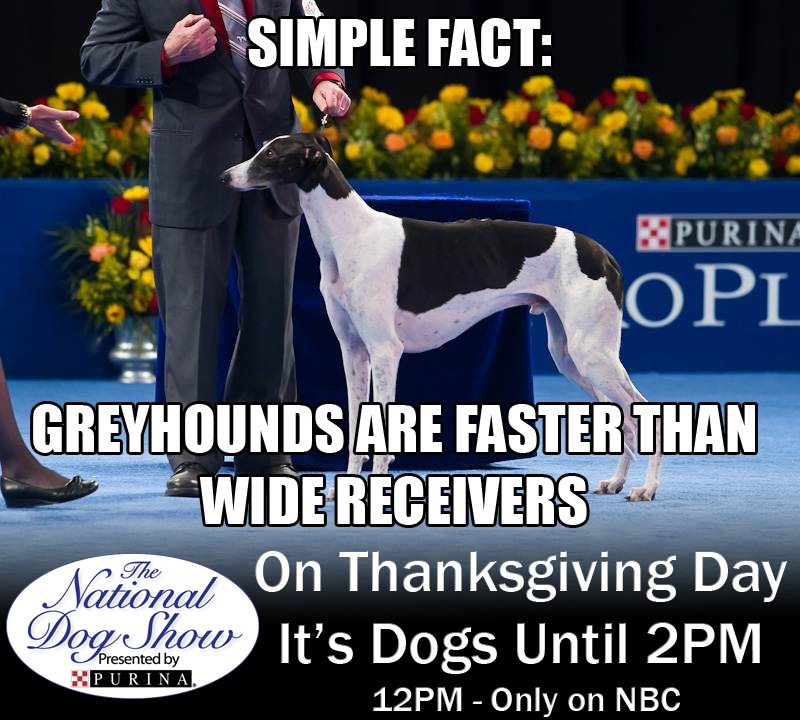
Dogs til 2
In recognition of NBC’s support for purebred dogs, we here at Pure Dog Talk are jumping in with enthusiasm on their “Dogs til 2” Meme theme…. Post your best Football/Dogs meme to the Pure Dog Talk Facebook page and let’s show these folks how WE support our purebred dog community.
Allison Foley’s Tip of the Week – Scissoring
Meanwhile, don’t miss Allison Foley’s Tip of the Week to give YOU the leading edge at the dog show. This week Allison gives us Rule #1 for proper scissoring technique!