
131 – Dr. Cindy Buckmaster|Research Animal Truths
Dr. Cindy Buckmaster – A Passion for Compassion
Dr. Cindy Buckmaster reveals the facts behind fabricated Animal Rights fundraising campaigns. Recorded at the NAIA Animal Nation Conference in Washington, D.C.
Dr. Cindy Buckmaster, Director of the Center for Comparative Medicine, Baylor College of Medicine, LOVES her research animals. She describes falling in love with monkeys in a research project during her doctorate program which entirely changed the shape of her career.
Way back in ‘60s, things were happening that should not have been,” Cindy noted. “Some of this is a matter of people evolving and their knowledge base evolving. The Animal Welfare Act was a good thing,” she adds. “Once lab animal science was organized as a field, it was no longer the same issue.”
Breeders are Complicit
Cindy is an avid and active proponent for changing the way we as hobby breeders, animal researchers, anyone actively involved in the lives of animals, fill the information void currently swamped by fanatics.
We are complicit. All of us are complicit because we chose to be quiet and not educate anyone,” Cindy said. “We are now just one more loser demon (in public opinion) when we are the true animal welfarists. We have actual knowledge and experience … animal rights folks don’t care about animal or people…. Every animal rights agenda ends with companion animals disappearing.”
Animal Research of the Past
Cindy worked on her advanced education at the National Institutes of Health. “I found some quality of life stuff, some areas of improvement…. the folks who cared for the animals were suffering from old school philosophy of detachment… When you ask human beings to behave like they aren’t human it doesn’t end well.”
Loving these animals hurts, many of them leave us,” Cindy observed. “The reason we work with them in the first place is love based. These animals lose everything for our well being and the well being of our pets. They deserve the best quality of life we can give them. This is a big calling that requires special people.”
The New Culture in Animal Research
So, Cindy set out to change the entire culture of the field of animal research. She developed training and education programs at NIH and at Baylor College of Medicine that instilled a culture of compassion and love and gave the folks working with animals “permission to love the lab animals.”
We are advocates for the best science possible,” Cindy said. “The best science possible right now includes animals in the equation.” Cures to these diseases don’t fall from the sky, she added. People don’t want to believe animals are part of the equation, Cindy noted, so they accept the animal rights agenda as it is presented out of guilt.
The New Truth from D. Cindy Buckmaster
Cindy is a vocal and passionate advocate for research animals and all animals in opposition to the animal rights agenda. “They don’t want me to tell the truth,” Cindy said.
Folks have to get out there and share our truth,” she said. “But share it with emotion. We don’t want to talk about stuff with their big brains. This is passion. Hobby breeders especially love their puppies. They love that bond, that connection. This is an investment in love.
National Animal Interest Alliance and Homes for Animal Heroes
Cindy talks about her partnership with National Animal Interest Alliance (NAIA) and the Homes for Animal Heroes. This program is organized to find adoptive homes for research animals without the Animal Rights folks hijacking the conversation.
Listen today on Pure Dog Talk!
Biography of Dr. Cindy Buckmaster
Cindy Buckmaster, PhD, CMAR, RLATG
Dr. Buckmaster is an active and passionate advocate for animal welfare and biomedical progress. She speaks regularly on the necessary role animals play in biomedical progress we continue to demand for ourselves and our animals and she educates audiences internationally about the highly trained Laboratory Animal Science professionals who have dedicated their lives to caring work with research animals and to the animal and human beneficiaries of the results of their work. Dr. Buckmaster completed her doctoral degree in Neurobiology and Behavior at SUNY Stony Brook, and is the Director of the research animal care program at Baylor College of Medicine in Houston, Texas. She serves on the boards of several research advocacy and professional organizations, including the American Association of Laboratory Animal Science, Americans for Medical Progress and the Texas Society for Biomedical Research. She writes a monthly public outreach column in the journal Lab Animal. Dr. Buckmaster is committed to educating the public on the distinction between animal welfare and animal rights and believes, wholeheartedly, that animals and people cannot survive without each other: she will draw her final breath defending the human-animal bond.
Tip of the Week – Line Brushing
Allison Foley – Leading Edge Dog Show Academy
Stay small when line brushing your dog. Line brushing is step one in shaping your dog.
- Take a small section of the coat with a knitting needle or rat tail comb no more than a finger width wide.
- Use a pin brush the appropriate length – the shorter the hair, the shorter the pin.
- With a brush, pull hair away from the body, and shape the hair in the direction that you want.
- Think of line brushing as a row of vegetables – start at the top and move row by row to the bottom… or bottom to top.
130 – Canine Care Certified|Candace Croney PhD
Candace Croney on Canine Care
Candace Croney is a very accomplished scientist who teaches ethics and animal welfare at Purdue University. So when a representative from the Indiana commercial dog breeders reached out asking for her help to develop better standards of care for their dogs, she was understandably leery.
I was concerned they would trade on my name to market better,” Croney said, “but that they weren’t interested in actually improving the quality of life for the dogs.
So, eventually I decided to go to this meeting. I was quickly ashamed and humbled,” Croney admits. “These people had gotten the message that folks weren’t happy with how they were raising their dogs, but had no idea what to do about it. They had a sincere desire to not just do better marketing, but actually improve their performance.
Commercial Breeders Reach Out for Canine Care Improvements
Croney noted that it is rare to see a group take proactive steps when faced with the possibility of being legislated out of business, to not just fight the legislation, but actually fix the problem.
So she set out to research what would be needed to create these scientific-based standards of care. And what she found was, basically, a black hole.
Lack of Canine Care Research
“It was amazing to me how little was available to write science-based standards for care,” Croney said. “I was just floored that there is much more information about housing for livestock and poultry than there is about optimal housing for dogs. Much of the existing research was outdated. Or there was nothing there. It was people’s professional opinions, but based on no actual research.”
Basically, no one had studied this population of dogs on site. There was anecdotal information, but nothing empirically based.
The more research we did, the more research we needed to do,” Croney observed.
Center for Animal Welfare Science
According to the Center for Animal Welfare Science (CAWS) website:
Commercial breeding of dogs faces significant scrutiny and criticism despite consistent public demand for purebred dogs. Concerns include the extent to which the physical, behavioral and psychological needs of the animals can be met in the conditions in which they are raised, and the specific effects of genetics, housing, health, handling, behavioral management and general husbandry practices on dog quality of life.
This project aims to help the US pet industries address the socio-ethical and scientific (well-being) concerns embedded in commercial dog breeding. With the support of dog breeders, pet industry representatives, animal health and welfare experts, and other key stakeholders, the researchers are developing and testing voluntary standards for the care and well-being of dogs in commercial breeding facilities. The research team is also investigating the following areas:
- Effects of flooring surface on overall health of dog feet, cleanliness of the enclosure, and ability to sanitize the dog’s environment”
- Effects of caretaker interactions on dog behavior and welfare when housed in a breeding facility and their implications for management, socialization and adoptability
- Public perceptions of dog breeding, procurement and welfare
- Development and refinement of metrics of kenneled dog well-being”
Canine Care Certified Program for Breeders
The end result of Croney’s research and work with the Indiana Council on Animal Welfare is the implementation of Canine Care Certified. This voluntary, outcome-based program is dramatically changing the way commercial breeders are interacting with their dogs, Croney said.
Canine Care Certified
“This program forces breeders to pay better, more individual attention to their dogs,” Croney noted. “Breeders are able to see better what’s going on with their dogs. And they want to show off how much they are doing! They’re getting healthier puppies, bigger puppies, catching underweight puppies, losing fewer puppies. It’s showing up in data…. the breeders like dogs better so they’re spending more time with them.”
Listen to #130 with Candace Croney on Pure Dog Talk
Learn more about this fascinating and revolutionary project by listening to my talk with Candace on today’s Pure Dog Talk podcast.
Biography of Candace Croney
Candace Croney
Candace Croney is associate professor of animal Behavior and well-being in the Department of Animal Sciences at Purdue University. She received her masters and doctor of philosophy degrees in applied animal ethology from the Pennsylvania State University and her baccalaureate degree from Rutgers University. Dr. Croney’s research, teaching and extension efforts focus on cognitive correlates of animal welfare, the effects of rearing environments and enrichment on animal behavior and welfare, and bioethical issues associated with animal care and use. She has served as Assistant Director of Conservation Education for the American Zoo and Aquarium Association, and has held faculty positions in animal behavior and bioethics at Oregon State University and The Ohio State University. Her research on farm animal cognition has been featured in national and international broadcasts by National Geographic, the BBC and their affiliates. She serves as scientific advisor on animal welfare to several groups, including American Humane Association, National Pork Board, Federation of Animal Science Societies, Bob Evans Farms, Michael Foods, P & G Inc., Target and Merck. She is currently serving as co-chair for the new Council for Agricultural Science and Technology (CAST) taskforce report on animal welfare, ethics and economics. AVMA.org

129 – Patriotic Puppies, AKC Mark Dunn, Bomb Detection Dog Breeders
Patriotic Puppies for a Safer Nation
Mark Dunn – AKC Senior Vice President – Registration & Customer Development
Wallace is that one dude who can’t ever chill out. Wallace is *always* working. He just can’t turn it off.
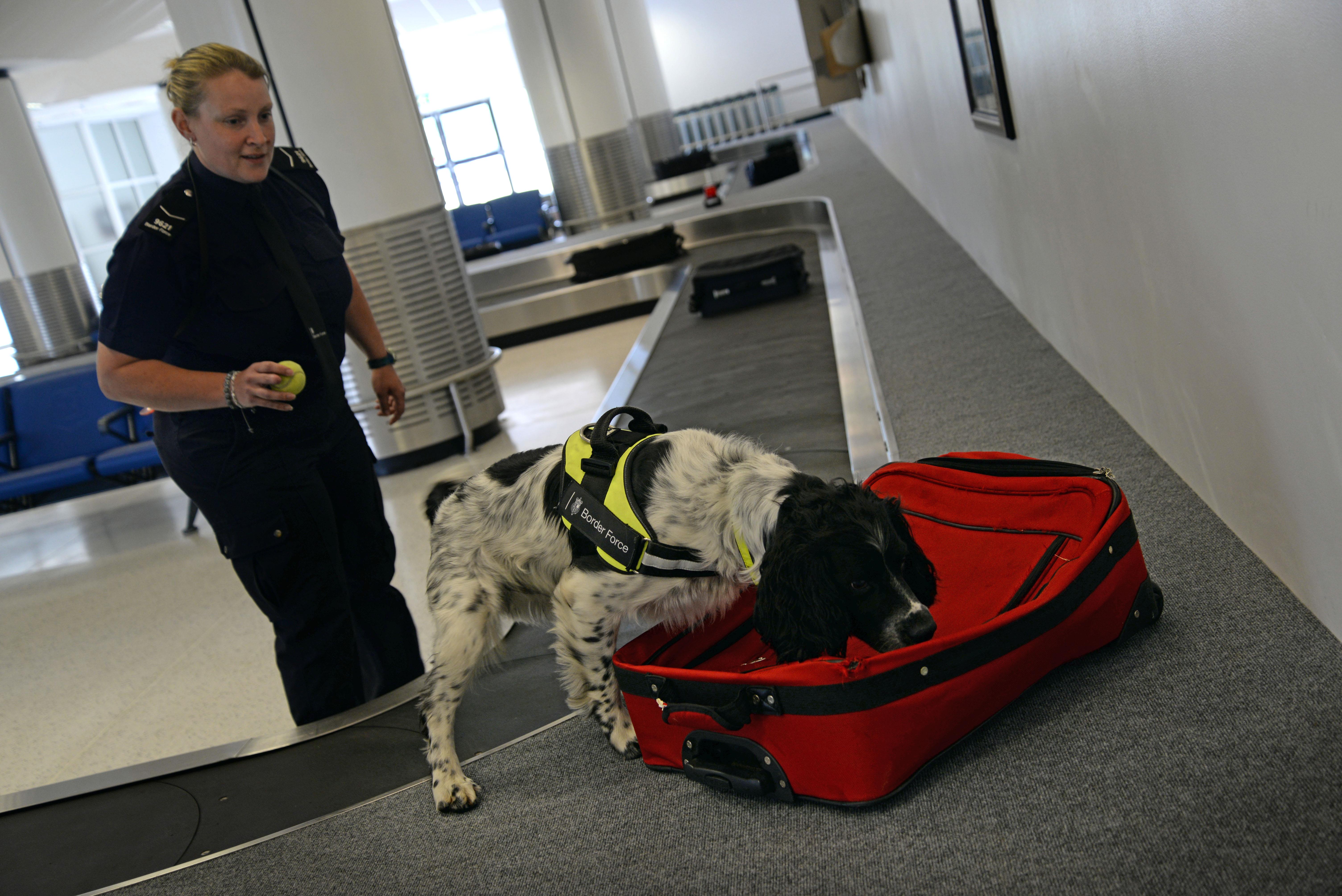
As it turns out, that’s a good thing. Wallace is a purebred black Labrador Retriever trained and handled by K2 Solutions to detect explosive materials. He gave a great demo of his skill at the National Animal Interest Alliance conference in Washington, DC, along with his handler Neil Copeland.
Copeland, K2 Canine Director Stacey West, and Mark Dunn, AKC Senior VP, Registration & Customer Development shared a pretty impactful story. In fact, I’ve had a hard time forgetting about it.
Lack of Trained Bomb Detection Dogs
Basically, we are running low on trained bomb detection dogs in this country. The government is currently buying 80 percent of these mission-critical dogs from Eastern Europe at a significant investment. And not getting the “pick of the litter,” either.
Detection Dog at Airport
AKC Supports Patriotic Puppies
So Carmen Battaglia, Mark Dunn, Sheila Goffe, and a bunch of folks at AKC are teaming up to try and change that. They are developing a new “patriotic puppy program” whereby breeders of high-drive, high-stamina hunting dogs can help create a network of domestic breeding programs to supply explosive detection dogs (EDD).
Floppy Eared Dogs
While many EDD previously have been German Shepherds, Malinois, and the like who also serve double duty as patrol dogs, today’s world requires what the military lingo refers to as “floppy-eared” dogs… Labs, German Shorthaired Pointers, German Wirehaired Pointers, Vizlas… Dogs that don’t look scary as they work a crowd at Disneyland or the airport or a concert venue.
These dogs have to work hard all day, be socialized to crowds and have the drive to do the work,” Dunn said. He added that dogs, and particularly purebred dogs with predictable size, temperaments and instincts, are the hands down best way to detect explosive materials.
Canine Working Abilities
K2’s West noted that his team, upon acquiring intel of new explosive materials, can take a trained dog out of the field, imprint an additional scent and have it back in service within 24 hours. No machine to date has that capability.
The AKC is working through legislation and government relations to change the way the government buys and pays for dogs for this important work. Most recently language introduced by Goffe and her team was included in the House defense authorization language. While it was not finalized in the Senate version, Goffe was literally testifying on Capitol Hill at the time of the NAIA conference in early October.
They also are networking with existing breeding and training programs including those at Auburn and Penn State, establishing criteria for how these dogs should be raised. Because the EDD isn’t bought as a puppy. It is raised, generally by a breeder, in much the same way the Guide Dog for the Blind puppies are — with specific socializing, training, and imprinting done from birth to about 10 months.
Breeders from the United States
AKC’s goal is for hobby breeders in the U.S. to work directly with government contractors to provide EDD that have been properly bred, raised and socialized so we aren’t outsourcing our safety to other countries.
When the American public sees purpose bred dogs doing real work that matters to people’s lives,” Dunn said, “That is the best way to counter anti breeder sentiment… breeders then are heroes, not evil doers.
Links:
https://www.atf.gov/explosives/accelerant-and-explosives-detection-canines
128 – Doug Ljungren is Up to Tricks…Trick Dogs|AKC VP of Sports and Performance
Doug Ljungren, Vice President of Sports and Events at the American Kennel Club
Trick dogs. Trick dogs? Seriously? Whose bright idea was that?
Who says you can’t teach an old dog new tricks?
A hard core horseback pointing breed field trial guy with multiple national field champions and dual champions to his credit, that’s who.
Doug Ljungren and AKC’s new tricks
Doug Ljungren is the champion of a number of new, non-traditional and wildly popular performance events that have come on line in the last few years.
A highly successful breeder, owner and amateur handler of German Wirehaired Pointers in the field (and in the show ring), Ljungren believes that bringing new people into the sport through non-traditional venues is a long-term win for the purebred dog fancy as a whole.
The human-dog relationship is changing,” Ljungren says. “It has evolved over time. It will continue to evolve. The demographics will evolve. There is no reason to think that dog sports all have to be based on historical function.”
He’s referring here to the “traditional” performance sports that are “based on preserving and enhancing the traits necessary for a dog to perform the function for which it was developed.”
Decline of Hunting Licenses
“The total number of hunting licenses peaked in mid-’80s in this country,” Ljungren notes. “There’s just less people doing that sport now. We’ll still maintain (the traditional performance events) because people are passionate about it. But in terms of growing the sport, it’s just not going to be much of a growth area.”
So, if people (by the way, dog ownership is at an all time high) aren’t going hunting or herding or dispatching rodents with their dogs, what do they want to do? That was Ljungren’s question.
My belief is that some of the changes in society affecting the dog-owner relationship, the humanization of dogs, has an impact,” he adds. “How we spend our time is changing in relation to the internet. We find people are less inclined to join any kind of youth or sports league.”
So his team set out to develop sports that fit the dog owners of today.
“We have to attract people somehow,” Ljungren notes. “Hopefully they transition in the future.”
AKC Transistion Paths – Always More To Do and Learn
One of the things AKC is researching is transition paths. For example, if a new owner starts with their dog in a CGC course, they’re likely to go on to tricks titling.
He notes that tomorrow’s breeders have to start somewhere. If they start with CGC or tricks, what’s next, rally? Obedience? Agility? Even conformation.
“Breeders — hobby breeders — that’s something you consider doing when you get serious,” Ljungren notes. The new performance events allow AKC to develop a relationship with owners, who are likely to transition over time and engage in other events.
“I think that breeding is a logical conclusion of attracting and transitioning people,” Ljungren says.
Scent Work
One of the newest events Ljungren is excited about is scent work.
“It’s very popular. It’s a full meal deal as far as a sport goes,” Ljungren adds. “Clubs are licensed, judges are licensed.” The programming and planning has been going on for nine months and the first trial was held in September 2017.
Most people know dogs smell better than we do…. Intuitively it’s of interest to almost any dog owner…. At our first event we had entries of everything from toy breeds to a Scottish Deerhound.”
The scent work program is structured in levels and isn’t a “training intensive” front end sport, Ljungren adds. “People are fascinated to see the dog’s sense of smell telling the story to them.”
Great Event for a Club
From club’s point of view this is a great event that can be held in pieces. Clubs can choose to offer only the classes they can realistically accommodate.
Trick Titles
Tricks are NOT just for kids. The tricks titles, started this spring, offers four levels and works through the CGC evaluator program. The next level planned will involve a full developed skit, with a theme and a story line, to be evaluated by the director of the CGC program.
Ljungren notes the entertainment value of these dog-handler teams is of value to clubs who hope to encourage the public to attend their dog shows in the future.
Fast CAT
Another popular event, Fast CAT, is essentially a timed 100 yard dash. The funny part was AKC originally recorded the Top 20 qualifiers in each breed by the nearest Mile Per Hour. Ljungren chuckles as he notes, that wasn’t good enough! Folks didn’t want to be tied. So now the event is ranked by times to the nearest 100th MPH.
“If you give people something they want to do, it’s hard for them to hate you,” was the comment to Ljungren from Patti Strand, NAIA Executive Director. “You are making my work against the Animal Rights Extremists easier.”
Hear more of my conversation with Doug Ljungren in today’s podcast on Pure Dog Talk.
127 – Canine Herpes and Puppy Fatalities|Dr. Jean Dodds
Prevention of Herpes Puppy Death: Silent Killer in the Whelping Box
Dr. Jean Dodds on Pure Dog Talk
A long anticipated litter, new babies, great expectations. All can be crashed on the rocks of Canine Herpes Virus and you’ll never even know what hit you.
Jean Dodds’ information indicates that as many as 70 percent of the canine population has CHV. Most will show no symptoms at all unless the immune system is stressed. The virus is transmitted primarily nasally and dogs can come into contact with it at any time and in any normal life activity.
She has some excellent suggestions and recommendations:
- Titer bitches for CHV antibodies before they are bred.
- It is possible to collect and freeze blood plasma that has antibodies to CHV that can be administered to puppies if they are affected.
- If you know there has been contact within the kennel of a dog with CHV, isolate the bitch from all other animals three weeks before and three weeks after whelping.
- Be sure the puppies stay warm. The herpes virus is susceptible to heat. They are most impacted in the first two weeks of life before they can maintain their own body temperature.
- Herpes cannot be diagnosed without necropsy. All fading puppies can be treated with fresh frozen plasma.
- Huge tip: Check the pH balance of the dam’s milk supply with simple pH papers from the pharmacy. Who knew?
Join us for today’s episode to learn more.
Blog Post 105 – Canine Herpes Virus – Dr. Jean Dodds Blog
Title: Herpesvirus in Dogs and The Fading Puppy Syndrome
It is estimated that at least 70% of the canine population is infected with the canine herpesvirus (CHV) , which generally does not cause clinically significant illness. However,
the mortality rate of newborn puppies – that acquire the disease – is estimated at 100%. Indeed,
CHV rapidly invades the entire body, affecting all organs, the lymphatic system, eyes and central nervous system. This begets the question: how has the dog population survived after all of these years?
Background
Canine herpesvirus is an alpha-herpesvirus more closely related to feline herpesvirus, equine herpesvirus-1, pseudorabies virus and human varicella-zoster virus than to other herpesviruses. It is found worldwide in domestic and wild dogs, but not in other species. Seropositivity rates of more than 30% are commonly seen, although some infected dog kennels have antibody prevalence rates as high as 100%, yet without any evidence of disease in infected puppies. Transmission is by direct contact with infectious body fluids, since CHV is unstable in the environment. Like other herpesviruses, it becomes latent after a primary infection and is shed periodically, primarily in nasal or rarely in genital secretions.
The disease is usually asymptomatic in puppies exposed to CHV after 1-2 weeks of age. However, CHV infection is generally fatal in neonatal pups (1-4 weeks old) that lack maternal immunity. These pups may be infected during passage through their infected dam’s birth canal or, more commonly, by contact with oronasal secretions of the dam or other dogs in the kennel or home. Infected littermates, or neighboring dogs that are shedding virus, also can be sources of infection. The incubation period is about 6 – 10 days, and duration of illness in newborn pups is 1-3 days, with signs of anorexia, dyspnea, pain upon abdominal palpation, incoordination and a typical soft, yellow-green feces. There may be serous or hemorrhagic nasal discharge. Petechia (small pinpoint hemorrhages) are common on the mucous membranes, and thrombocytopenia (low platelet count) may occur. Rectal temperatures are usually not elevated.
Occasionally, CHV may cause in utero infections that result in the death of fetuses or pups shortly after birth. The virus also has been isolated from dogs with vaginitis, conjunctivitis and respiratory illness. Asymptomatically dogs remain latently infected and virus can be excreted for about one week in nasal or genital secretions, and, thereafter, at variable intervals for several months or even years. Recrudescence of latent virus may be provoked by stress (movement to new quarters, introduction of new dogs) or experimentally from use of immuno- suppressive drugs; the virus sheds for about one week. Once the virus enters a kennel, it generally spreads and causes asymptomatic infections, except in pregnant dams or very young pups from susceptible bitches. Such intermittent shedding assures the survival of CHV in the dog population and in breeding kennels. Development of CHV immunity in the form of neutralizing antibodies is transferred to pups via the placenta and colostrum.
Clinical CHV Disease and Recommendations
Your first reaction to this scenario might be to remove the dog shedding the herpesvirus from your environment. Yes; this is advisable. The problem is though adult dogs shedding the virus do not exhibit any symptoms. Instead, we isolate the pregnant mother from all dogs three weeks before the litter’s birth to help prevent in utero infection. After the litter is born, we continue to isolate the puppies and the mother for another three weeks to prevent transmission via colostrum or close contact with other dogs.
Herpesvirus survives in low body temperatures and does not do well in the environment. So, as a puppy ages, natural resistance to infection and the puppy’s ability to maintain a higher body temperature both increase. [Note: Do not expose puppies to dogs who have recently been vaccinated for parvovirus as the disease is shed through feces and urine.]
Clinical signs of canine herpesvirus if presented are:
- Lethargy
- Decreased suckling
- Diarrhea
- Nasal discharge
- Conjunctivitis
- Corneal edema
- Red rash, rarely oral or genital vesicles
- Soft, yellow-green feces
- Notable absence of fever
Remember, though, that herpesvirus is fast-acting so clinical signs may never present. In this instance, pet caregivers want to be on the defensive by acting preventatively. Not only should all caregivers isolate the litter and the possibly immunologically naïve mother from other dogs three weeks before and after birth, but also:
- Alert your veterinarian about the upcoming litter. Let the clinic know if the pregnant mother has or has not been exposed to CHV. If you are unsure, admit her to your veterinarian when close to her due date for observation.
- Purchase incubators and set the temperature at 95°F [35°C], 50% relative humidity.
- Provide spotless hygiene.
Future Breeding and Treatment of Neonates
The previously exposed or infected mother may be successfully bred and have future litters, as long as you skip the next estrous cycle and try again on the following one. In our experience, these females if bred again as advised here, can have healthy litters by: harvesting plasma at the time of the initial clinical infection from infected dams or kennel mates determined to have anti-CHV antibodies, taking the puppies by cesarean section, and giving them two doses of the plasma perinatally (orally) and then 5-7 days later (intraperitoneally). Such treatment is effective only if virus has not generalized. Once illness develops in pups, however, anti-CHV plasma therapy is ineffective.
Prevention with Vaccine
You might be thinking: how can puppies over the age of 3 weeks even be allowed exposure to other dogs without herpesvirus vaccination? Unlike distemper and parvovirus, no vaccine is available for CHV in the United States. Also unlike distemper or parvovirus, canine herpesvirus is fickle.
An inactivated, subunit vaccine (Eurican Herpes 205, Merial Animal Health) has been available in Europe since 2003. As stated above It is not available in the Unites States. It consists of purified CHV glycoproteins in a mineral oil solvent. The vaccine is specifically indicated for bitches during pregnancy and two doses are given, first during estrus or early pregnancy and the second 1-2 weeks before the expected date of whelping. Although it has few undesirable effects, transient edema may occur at the injection site for up to one week. Presently, the value of this CHV vaccine in reducing neonatal puppy mortality is unknown.
Please remember that you may not save the entire litter from canine herpes virus. Pups that survive may have irreparable damage to some organs.
References:
Allison Foley’s Tip of the Week
Don’t forget to listen in to Allison Foley’s Tip of the Week to give you the Leading Edge!
Today’s tip?
Move that front leg BACK!
126 – Where’s the Beef and Why It’s With Our Dogs|Patte Klecan and Caren Cowan
Where’s the Beef?
Turns out it’s right next to the purebred dogs
Save our Sport is a popular rallying cry these days. Everybody has an idea or a suggestion. This is a story about one dog fancier’s journey and how she worked with a New Mexico cattle rancher to help effect positive change in animal welfare regulations. With practical, hands on suggestions about how you, too, can make a difference.
Patte Klecan’s Story
About 15 years ago anti-dog legislation arrived in New Mexico. Patte Klecan turned for help to a customer from her grooming shop, Caren Cowan, Executive Director of the New Mexico Cattle Growers Association, who she knew was actively involved in legislation for the state’s cattle industry.
Since then, the two have worked together on numerous pieces of legislation at the state, local and even national level, bringing the combined voices of purebred dogs and agriculture to speak out on animal welfare issues.
Beef, Dogs and Agriculture: Stronger Together
Their experienced input offers listeners a number of excellent suggestions.
- Understand that legislation is local. No one is going to do it for you. NAIA and AKC Government Relations have a treasure trove of helpful material, but nothing beats live and local when it comes to fighting anti-dog, anti-breeder, animal extremist’s legislation. YOUR voice counts.
- Get to know your legislators, establish yourself as an expert in the field, help them when they have questions, build a relationship, then you can ask them to sponsor/carry a bill for you.
- WE are the subject matter experts, WE have the hands on knowledge to inform legislators on any animal welfare topics.
- NAIA is the mainstream, reasonable, fact based legislative voice on all animal related issues. AKC Government Relations focuses on purebred dogs. The two organizations work on parallel tracks.
- Present a united front with breeders, farmers and ranchers, amongst others. Together our voices are numerically far more powerful than the well-funded machine that is Animal Rights Extremism.
- Legislators NEED us. They need someone they trust, who will always give them the truth.
- Don’t wait until there this is a crisis. Create a relationship with legislators first. Invite them to your kennel club meeting or dog show. Invite the city mayor or local legislator to come and award the BIS trophy, make sure the local tv and newspaper are notified. Legislators love media and positive coverage in the community. If we reach out to them they become aware. Otherwise they don’t know we exist.
It’s fun!” Klecan says. “I was scared to death! But you get into it. It’s really exciting to interact with legislators.”
We need to counter with our voices, our passion, our truths,” Klecan adds. “Stand up for yourself, for your animals, for your food. Everyone has time to do something. It takes five minutes to make a phone call to a legislator. They want numbers, that’s what matters, from THEIR constituents.”
An example of the “unintended consequences” of “feel good” legislation:
https://patch.com/rhode-island/eastgreenwich/ri-has-problem-puppy-trade-state-vet
Puppy Sales, Pet Shops
Puppy sales have moved from pet shops to the Internet, according to the state veterinarian who says it’s now hard to regulate the sellers.
Humane societies and pet lovers are not winning the war to end the cruel practices at puppy mills, he said.
Although many pet lovers believe the problems with puppy mills have been largely solved by closing the pet stores that sold puppies, in reality, the problem’s become worse, he said. At least the brick and mortar stores could be inspected and regulated. They had to be licensed. They had to keep medical records, and their transporters could be inspected. It was not a perfect system admittedly, he said. But now it’s all being done underground behind a virtual curtain. It’s worse for the animals that are being put through suffering. And it’s worse for the people who buy a puppy only to lose it because it never had any shots or proper care, Dr. Marshall says.”
Example of How to To Work With Legislators
Here is an example of a response that can be provided to local jurisdictions/legislators in regards to proposed spay/neuter regulations:
Mandatory Spay/Neuter Laws a Misguided Approach to Stabilizing Pet Populations
By: Patti Strand Date: 02/22/2010 Category: | Uncategorized |
Background
Many states and localities have considered laws mandating that pets be spayed or neutered. They typically stop short of effectively eliminating all dog and cat breeding by instituting a process whereby breeders must obtain licenses to avoid the forced sterilization of their pets.
Our Position
NAIA opposes mandatory sterilization and other coercive “spay or pay” licensing schemes because these approaches have little effect on reducing shelter intake and euthanasia rates while producing serious unintended consequences. The people whose pets are producing unwanted offspring are seldom people who license their pets in the first place, so increasing license fees will not affect them. Typically, the pet owners whose dogs and cats produce unwanted litters benefit from low cost spay/neuter services and educational resources. At the same time, raising license fees and increasing restrictions on the most responsible pet owners and breeders in society reduces the number of well-bred, quality dogs and cats available to the public and assures that poorer sources will emerge to fill the demand. At this time, numerous countries around the world are beginning to breed dogs for the American marketplace to meet the growing demand. One of the reasons for this trend is over-regulation of American breeders.
Reasons to Oppose Mandatory Pet Sterilization:
Health risks
The choice to perform surgery on one’s pet should remain an educated decision between the pet owner and their veterinarian, not dictated by an arbitrary standard assigned by the state. The proper age for this procedure is becoming a matter of serious debate in the animal care community, as medical and behavioral problems (particularly when performed at an early age) are being discovered and reported.
Reading list:
 A Healthier Respect for Ovaries
AVMA: Mandatory spay/neuter a bad idea
Golden Retriever Study Suggests Neutering Affects Dog Health
Society for Theriogenology Position on Mandatory Spay-Neuter in the Canine and Feline
Lifetime ovary exposure and exceptional longevity in dogs
Determining the Best Age at which to Spay or Neuter: An Evidence -Based Analysis
Australian Veterinary Association position on mandatory spay/neuter
The Long Term Effects of Spay/Neuter in Dogs
Costly
This proposal will not lower costs to animal control agencies. Statistics show that costs do not go down when the number of sheltered animals decreases. In fact, enforcing this law would actually put more administrative burden on local agencies, the costs of which would exceed the amount collected in fees and fines. Spay/neuter advocates commonly cite success stories where great savings were achieved by passing spay/neuter legislation. Santa Cruz County is one such place, but the growth of the county animal services budget over the time in question tells a different story.
Discourages responsible breeding
There is an important role for breeders in pet supply and demand. This approach will create a deterrent for breeders to obtain licenses, possibly leading to widespread non-compliance and a shortage of dogs bred to assist the public such as guide, therapy and rescue dogs. Furthermore, it would diminish the best source of healthy, well-adjusted, behaviorally sound cats and dogs available to consumers.
Economic ramifications
Animal sports and competitions bring in valuable tourism dollars.
Shelter dynamics are misunderstood
The reality is that today, a large number of sheltered animals are either surrendered by their owners for euthanasia because they are old and sick, seriously injured, or dangerously aggressive. Many of the dogs euthanized are unidentified, unclaimed strays or ones that are too old, sick, injured or aggressive to be placed in new homes; many of the cats euthanized are feral animals that were never owned but were trapped and impounded because they have become nuisances. Furthermore, some lump dogs and cats together, and many lump feral and recently owned cats together. The lack of consistent data encourages some to call for quick fix solutions, but the reality is that the existing problems will not be resolved by mandatory sterilization.
Note: because of the difficulty in obtaining shelter records and data, we created the NAIA Shelter Project the most accurate and comprehensive listing of shelter data in the United States. Visit the NAIA Shelter Project today!
Constitutional considerations
Since pet owners would be denied control over their property without any semblance of an overriding state interest in the outcome, this interference of a pet owner’s right to make decisions regarding their pet violates the Due Process Clause of the Fourteenth Amendment of the US Constitution.
Shown to be Ineffective
This law has been tried in Santa Cruz, CA and King County, WA with disappointing results.
A Viable Solution
Extensive shelter data shows that public education, low-cost resources for the poor and reasonable licensing programs are working. The data also demonstrates that spay and neuter campaigns have been so successful that some animal shelters presently do not have enough adoptable animals to meet the high demand for pets. Some shelters have started locating dogs in other states to satisfy this demand. We should examine solutions from the standpoint of increasing pet retention and improving pet distribution, rather than the assumption of pet overpopulation in the US.
For more information on this issue, visit out Legal and Legislative Resources page.
http://www.naiaonline.org/issues-programs/naia-position-statements/
http://www.naiaonline.org/issues-programs/naia-campaigns/
Patte Klecan – Biography
NAIA board member Patte Klecan has had a lifelong interest in animals. Today she is involved in canine legislation and the movement to protect pet owners rights. Patte is a dog fancier who raises and shows Bouvier des Flandres and owns a professional grooming business.
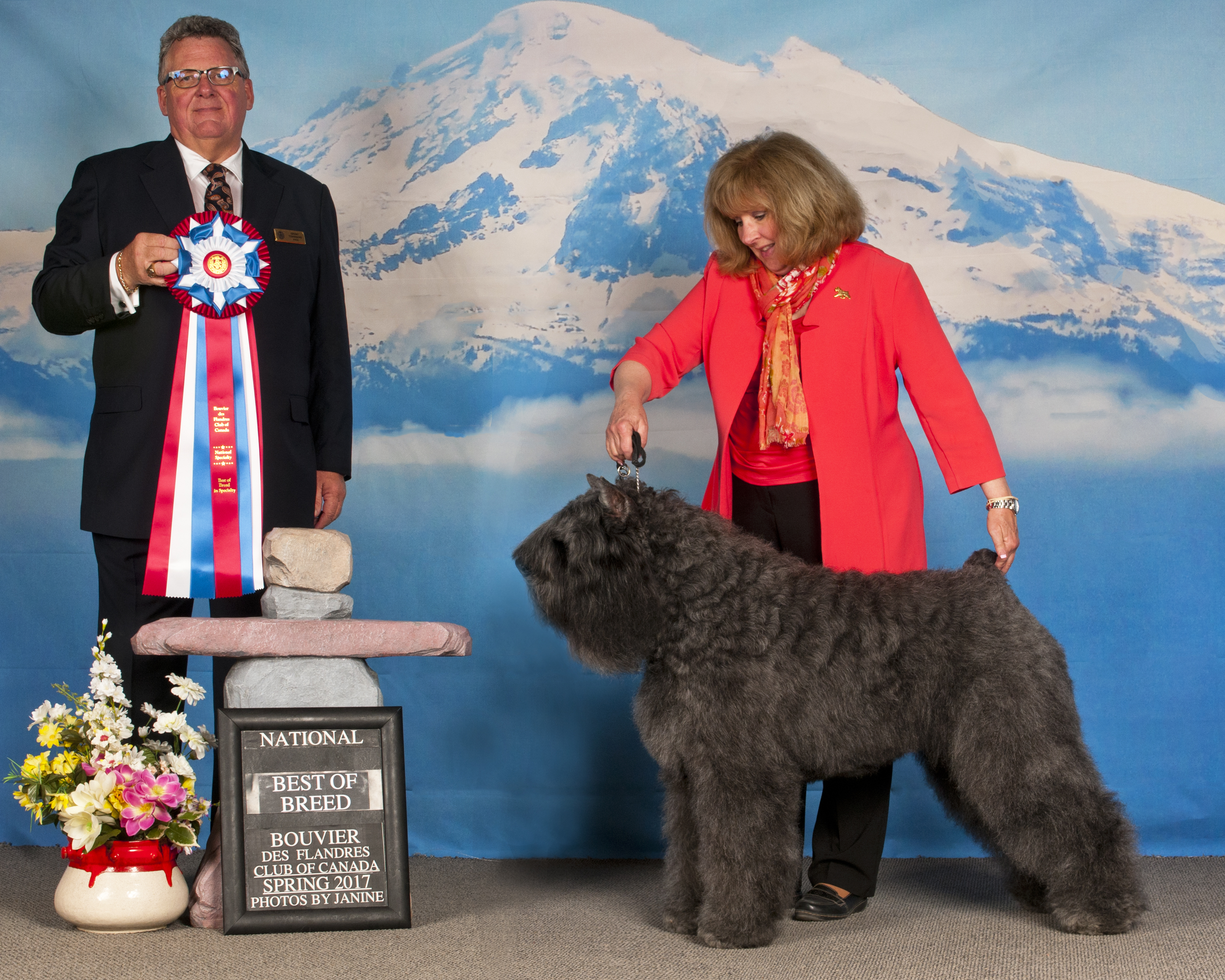
Patte Klecan
Caren Cowan – Biography
NAIA board member Caren Cowan has served as executive director of the New Mexico Cattle Growers’ Association (NMCGA) for more than 19 years. For the seven years previous to that she served in the same position for the New Mexico Wool Growers, Inc. In 2009 Cowan purchased the New Mexico Stockman Magazine and the Livestock Market Digest which she currently publishes.
Cowan’s work for New Mexico’s livestock industry has included representation at the New Mexico Legislature and on Capitol Hill on issues ranging from federal land use to animal health and trade. Additionally, she works directly with state and federal regulatory agencies addressing the needs of agriculture and the livestock industry. She also manages the day-to-day operations of a statewide trade organization including communication, membership, and financial issues.
Cowan was reared on a commercial beef ranch in Cochise County, Arizona, some of which she and her sister still own. She is a graduate of the University of Arizona with a B.S. in agricultural communications.
She writes a monthly column, “To The Point,” in the New Mexico Stockman Magazine. Her book, No Home On The Range — Diary of an Executive Cowgirl was published in 2003.
125 – Marty Greer DVM JD|Cancer Links in Early Spay and Neuter
Dr. Marty Greer, DVM JD on Pure Dog Talk
Recorded at the NAIA Animal Nation Conference in Washington, D.C.
Marty Greer is both a vet and an attorney and speaks with Laura Reeves about cancer links to early spay and neuter, Pink Paw for Cancer, and Canine Companions for Independence.
Marty Greer Helps Canine Companions for Independence
A new addition to Marty’s family is a new puppy to raise and train for Canine Companions for Independence. While not the intended topic of this interview, new puppies in the household seem to demand top-of-mind attention.
Canine Companions for Independence breeds and train dogs to help with mobility – pick up keys, open or close doors, and fetch items from the refrigerator. Activities that a handicapped or limited individual needs help with to live more independently.
Canine Companions for Independence
Cancer Links to Early Spay and Neuter
Breast Cancer is one of the top 3 cancers that affect dogs, as well as cats. Per Marty Greer, research now shows that intact dogs or dogs with later spays, 4 years or older, have a significantly lower risk of acquiring breast cancer.
Breast Cancer in dogs is usually surgically treatable when discovered early, while more serious in cats.
Pink Paw – October Breast Cancer Month
Pink Paw for Cancer
Examine for Breast Cancer Monthly
To examine, just feel along mammary chain, down one side from front to rear and then the other side.
Feel for lump around or underneath each teat.
For women, try doing your exam on the same day as your dog!
If not sure, ask your vet to show you.
Pyometra Risk Based Upon Breed
Research from Sweden, where pet insurance enables better research, suggests that certain breeds have higher pyometra risk. Bernese Mountain Dogs have up to a 48% risk. Listen as Marty Greer explains the findings.
Spay, Neuter and Cancer Articles
Biography of Dr. Marty Greer, DVM JD
I received my Bachelor of Science in 1978 and my DVM in 1981 from Iowa State University in Ames Iowa. In 1982 I established the Brownsville Small Animal Clinic in Dr. Griffith’s practice building and in 1988, moved the practice to Lomira.
I have a special interest in Pediatrics and Reproduction. In 2002, I opened a Canine Semen Freezing Center, International Canine Semen Bank – Wisconsin (ICSB-WI/IL) and became Penn-Hip Certified.
On my first attempt at using extended semen, I bred the practice’s first litter of pups from frozen semen in 1998. The advent of in-house quantitative progesterone testing has made this process much more successful.
My husband, Dr. Daniel Griffiths, and I have two children, Katy, married to Tim, an entomology Ph.D. student at Purdue, and Karl, married to Kelly. In addition, we raise and show Pembroke Welsh Corgis and Danish Swedish Farmdogs. We also have cats, a llama, and sheep. Our family has raised 5 puppies for Canine Companions for Independence, a service dog organization.
The practice has contributed to pharmaceutical and nutritional research as an investigator for Abbott Laboratory, Deprenyl Animal Health, Pfizer, Virbac, and Hill’s Pet food Corporation. I have also been featured in articles in Veterinary Economics.
In 2005, I was appointed by Governor Jim Doyle to a position on the Veterinary Examining Board of the Department of Safety and Professional Services, where I served for 8 years.
In 2010, I graduated from Marquette Law School. I practice law part-time with my law partner, Attorney Sheila Kessler, at Animal Legal Resources LLC.
I am active in the community as a member of the AVMA, NEWVMA, ASVBP, APDT, AAFP, SVME, ACSMA, The Society for Theriogenology, the Fond du Lac Kennel Club, The Kettle Moraine Kennel Club, the Pembroke Welsh Corgi Club of America, Lakeshore Pembroke Welsh Corgi Kennel Club, and the Lomira Area Chamber of Commerce.
I am on the Board of Directors for the Society for Veterinary Medical Ethics, American Veterinary Medical Law Association, and the Society for Theriogenology. I served on the Animal Welfare Committee and Education Committee for the Wisconsin Veterinary Medical Association. I am also president of the National Animal Interest Alliance.
124 – Jim Reynolds Speaks: Over 40,000 Dogs Judged
Jim Reynolds: Legendary Dog Man and Gentle Giant
Jim Reynolds judged his first assignment the year before I was born. Over the last 50 years, he estimates he’s had his hands on 40,000 dogs, give or take, all around the globe. That is a whole lot of knowledge wrapped up in one package. A tall man with a booming voice, Reynolds has a gentle hand with the dogs. He is, in a word, a legend.
Reynolds harks back to the days of livestock showmanship. Indeed, his first win that landed him on the front page of the newspaper, at just 10 years of age, was with a sheep. He allows as how he was hooked from that point forward.
Jim Reynolds Roots
Every year of his childhood, Reynolds’ Christmas request was simple “something alive.” His father accommodated his desire when the Canadian native was 14 years old with a Boston Terrier. A few years later, in college, Reynolds acquired his first Scottish Terrier. Many years as a breeder, owner, handler, self taught in trimming this challenging breed, gave Reynolds a tremendous background in the sport.
Top Breeder Mentors
He credits some amazing mentors in his youth. Among them, Betty Hyslop, of Cairndania Cairn Terrier fame, and Scottish Terrier breeder and all-breeds judge Adelaide Riggs. Although Riggs passed away in 1999, for perspective and continuity, Riggs’ daughter, Ellen Charles, is the owner of one of this year’s top dogs all-breeds, the Puli, GCH Cordmaker Mister Blue Sky.
AKC Judge
Among his favorite judging assignments are BIS at Montgomery County Kennel Club, the haven of terrier lovers everywhere, and BIS at Westminster Kennel Club. He describes his 2006 winner, the Colored Bull Terrier, Rufus, Ch. Rocky Top’s Sundance Kid, as having “star quality.”
The great ones,” Reynolds said, “have that presence, like actors… That dog (Rufus) was so turned on that night, at the peak of condition and performance, he told me ‘You have to pick me.’ That’s what he communicated to me.
The great dogs have great type, they have a style to them, a desire to be there,” Reynolds added. “A desire to be seen, to interact with me as a judge. I’m a fool for a dog that will interact with me. You see, for those two and a half minutes, that’s MY dog. I love that.”
Love of Dogs
It is clearly obvious, in even a brief conversation, that Reynolds does, indeed, love dogs. In addition to his years with Scotties, he has a long time love affair with Irish Wolfhounds, who grace his home. Not as show dogs or breeding dogs, but simply as companions.
Words of Wisdom from Jim Reynolds
Jim Reynold’s great lament is that too many people in too many breeds are not doing their research, studying the history of the breed to know how the genotype is affecting the phenotype of the dogs they see today. His precise and intelligent review of the Scottish Terrier breed in North America, tracing the two most recent Westminster Kennel Club BIS winning bitches back, based on style, to two prepotent sires imported from England in the 1930s and ‘40s is an entire university series in a five minute monologue. Listen to our talk on the podcast for this incredible history lesson on type and style.
Reynolds attributes the many legendary dog show judges, handlers and breeders who hail from the terrier breeds to the abundance of variety within the group, the sheer dedication required to successfully compete with a broken coated terrier and, to a degree, the sharp, competitive spirit of the people who, in some ways, come to resemble their dogs.
Toplines are a huge piece of it,” Reynolds said. You have a Bedlington, a Dandie, a Scottie and an Airedale in the group ring… Now what? You’d better know what you’re looking at. Terrier people are notoriously unforgiving.”
Encouragement to Owner Handlers
He also strongly encouraged owner handlers, even in the famously professionally dominated terrier group. Do the work, he said, put in the time. Present the dog more effectively and make sure there isn’t a bad moment.
Owner handlers stand a really good chance if they just do the job,” Reynolds said. “I always wanted to do it all myself. I got no enjoyment from those wins (when I had to hire a handler).”
Today’s mentors, Reynolds noted, need to remember to give young people opportunities with an exceptional dog.
You have got to be able to be successful to want to keep doing something,” he concluded.
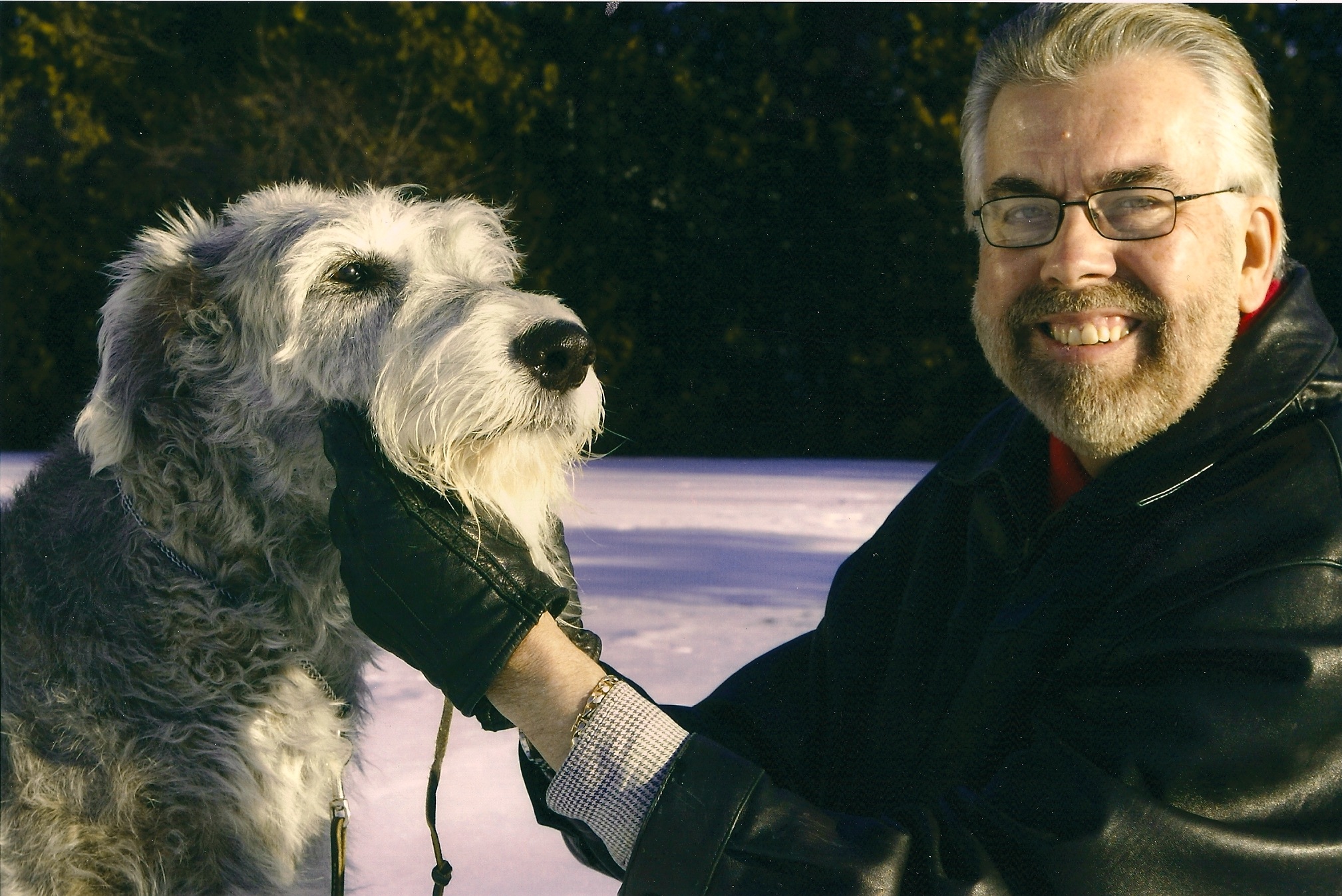
Jim Reynolds and Irish Wolfhound Peri
Biography of Jim Reynolds
| James G. Reynolds, of Nepean, Ontario, has been involved in the sport of dogs since 1956. As a teenager, he was a breeder-exhibitor of Boston Terriers but soon moved to Scottish Terriers. His Renaldo Kennel housed five Canadian Best in Show winners and produced more than thirty Canadian champions and fifteen AKC champions. He has also shown Cairn Terriers and English Cocker Spaniels, and his housedogs have included Irish Wolfhounds, a Great Dane, and an Irish Setter.
A dog show judge since 1967, Mr. Reynolds is approved for all breeds by the AKC and the Canadian Kennel Club. He has officiated at many of the biggest and most prestigious dog shows on five continents. On the American show circuit, Mr. Reynolds has worked several Westminster assignments and is one of the few judges to twice preside over the Best in Show ring at Montgomery County. He has judged at several of America’s largest venues, including Santa Barbara, Louisville, Chicago, Detroit, Old Dominion, Houston, and the AKC/Eukanuba National Championship. In 2004, Mr. Reynolds was Best in Show judge at Ladies’ Kennel Association (England) show. Mr. Reynolds is a retired superintendent of schools in a system of some 49,000 students. His wife, Marcia, is a retired secondary-school principal. They have three grown children. |
123 – Hiring a Professional Dog Handler: Dinah Baggenstos – Professional Handlers Association
Hiring a Professional Dog Handler – Dinah Baggenstos and Laura Reeves
Hiring a professional show dog handler can sometimes feel like falling down the rabbit hole into a parallel universe complete with secret handshakes and special code words. We talk today with Dinah Baggenstos, president of the Professional Handlers Association, to help demystify the process.
When to Hire a Professional Handler
Making the decision to hire professional help in the show ring is one most exhibitors do not take lightly. After all, the center piece of the discussion is generally considered a four-legged family member not an “objet d’art.”
The intensely personal and emotional attachment to our pets makes sending them to “boot camp” or “on the road” a scary and daunting proposition. And it isn’t for everyone. But, for folks who simply don’t have the time, physical ability or inclination to show their dogs, talented professional handlers can make the experience at least painless, even enjoyable for everyone.
Choosing a Handler
Achieving that level of success requires trust and clear communication. Dinah strongly recommends observing the handler you are considering hiring, both in the ring and “behind the scenes.” Is the set up clean? Is it well organized and professional? Ask for references and tour kennel facilities and travel vehicles. Ask questions, read the contract and establish goals.
The AKC Registered Handler Program offers the following advice,
Before you hire a professional handler, talk to several, evaluate their rate schedules, visit their facilities and ask for references. Observe them both in and out of the ring. A professional handler is entrusted with your dog’s care, so make sure you are entirely comfortable with the arrangement. Make a point of meeting the people who work for the handler because they will be providing the daily care for your dog — under the guidance of the handler.
Handlers are expected to be hired for their knowledge and services they can provide. In turn the client is paying a fee for that handler’s service and expertise. You and your handler should have the terms of your agreement in writing. Make sure if you have any questions that they are answered before you commit yourself to a contract. Read the contract carefully — this will be a binding agreement between you and your handler.
American Kennel Club Criteria:
To be assured that your dog is being cared for by a true professional familiarize yourself with the following criteria as set forth by the American Kennel Club:
- Safety, security, and well-being of the dogs is to be placed above all other business considerations.
- Supervision of dogs by competent, conscientious personnel who are capable of responding appropriately, particularly in emergency situations.
- Facilities of proper size and adequate ventilation to accommodate the breeds being cared for at home and at the shows.
- Appropriate precautions taken to provide all the dogs in their care with proper temperatures for any and all conditions they may encounter.
- Adequate and proper diet, clean dishes, fresh water and a sanitary environment.
- Owner-provided or veterinary-prescribed medications to be administered in accordance with instructions.
- Breed specific knowledge concerning the breeds they show — such as: standard for the breed, special care, conditioning and presentation.
- Business relationships conducted with clients in a fair and honest manner based on a published rate schedule and handler/client agreement.
- Courteous verbal interchanges and a professional appearance are essential.
- Sportsmanlike behavior with clients, judges, exhibitors, fellow handlers and assistants.
- Willingness to communicate on a regular basis with clients concerning their dog’s performance, behavior and general health.”
Potential Handler Client Conflicts
Two of the most common areas of conflict in the handler-client relationship are changing representation and priority of dogs.
Both PHA and the AKC RHP code of ethics are very clear that handlers are not to solicit another handler’s clients, nor are they to take on another handler’s client if money is owed to the prior handler.
Dinah Baggenstos’ Recommendations
You have every right to go a different direction with your dog,” Dinah notes. “But make sure the bill is current with the existing handler. And understand if the dog is committed through a specific period of time it needs to stay with the handler for that time.”
Priorities and Expectations for the Client
Assigning priority of the dogs in a handler’s care in case of a ring conflict is one of the toughest parts of the job. While each handler manages these potential time crunches differently, part of the communication piece is to be sure clients understand up front where their dog fits in the handler’s priority. A good rule of thumb is that “specials” — champion dogs being campaigned for national ranking — will take priority over “class dogs” — non champion dogs earning points toward their championships.
As with any successful relationship, clearly understanding expectations and responsibilities between the parties is paramount. Although many incredible friendships are formed in long-time handler-client relations, it is first and foremost a business transaction.
“My expectation is that a client dog will be delivered to me in good condition, good health, clean teeth, nails and coat maintained,” Dinah notes. “The client should expect to have the dog returned in as good or better condition than when it arrived with the handler.”
“A handler needs to be honest with his or her clients as to the quality of dog being evaluated,” Dinah adds. “While clients owe respect to the handler for providing an honest and candid educated opinion.”
Importance of Clear Communication
On the topic of communication, once again, be sure the system whereby results are shared is established in advance.
Whether via text, phone call or whatever means, clients should keep in mind that the handler is taking care of their dogs. That does and should take priority over reporting results.
Listen to my talk with Dinah Baggenstos for more insights, suggestions and case studies.
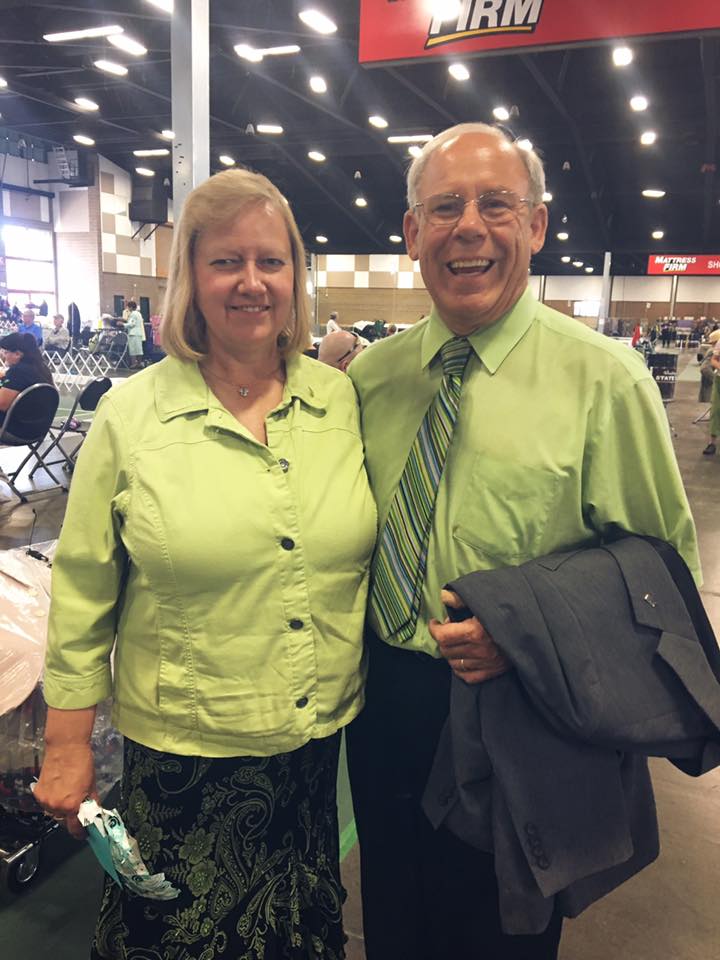
Dinah Baggenstos and Rick – Professional Handler
Tip of the Week from Allison Foley: This is MY dance space, This is YOUR dance space
Your body posture and body language are directly reflected in your dog’s, Allison says. She reminds us, “If you walk like Eyore, your dog does the same thing.”
What’s your “happy” word? Allison uses kitty! She says it’s impossible to say “kitty, kitty, kitty” and not sound happy.
When stacking your dog, think about Patrick Swayze’s line to Jennifer Grey in the famous ‘80s film “Dirty Dancing.” Get out of your dog’s “space.”
Too often exhibitors are doing a great job stacking their dogs, but the judge can’t see it because the handler is “huddled” around the dog. Step back from your dog so the judge can see it!
Visit Leading Edge Show Dog Academy for courses and use PUREDOGTALK25 at check out for a 25% discount.
122 – Eddie Dziuk: OFA, CHIC and Why Breeders Should Health Test
Eddie Dziuk on OFA, CHIC and the Role of Health Testing
Eddie Dziuk is a behind the scenes kind of guy. But arguably no single individual is more responsible for providing the tools to improve the health of our purebred dogs. OFA and CHIC are invaluable resources which enable breeders to apply “selective genetic pressure *against* breeding abnormal results.”
Eddie Dziuk has led OFA for the last 16 years, including implementation and growth of the Canine Health Information Center (CHIC) originally envisioned by the delegate body. CHIC’s “test and tell” protocol has enabled more than 100,000 dogs to earn a CHIC number.
This voluntary program is not an award program, Dziuk reminds people.
It is not a stamp of approval, it’s not about ‘normalcy.’ The key piece is that owners must be willing to disclose information,” he adds, both normal and abnormal results.
It is this sharing of results that allows breeders to make more informed breeding decisions. “If you breed dogs long enough, you will produce animals with an inherited disease,” Dziuk notes. “It’s about what are you doing up front and after the fact to address that reality.”
Canine Health Foundation and CHIC
CHIC is co-sponsored by the Canine Health Foundation (CHF) and focuses on empowering national parent clubs for each breed to establish the health protocols and testing best suited for each breed.
Most of the dogs we breed go to pet homes,” Dziuk observed. “The most important thing for these folks is not the dog’s tail set or how much stop it has, they just want a happy, healthy, long-lived faithful companion.”
With that idea in mind, OFA is continuously looking at new testing protocols, developing new efforts that address far more than the orthopedic issues for which the organization was originally created nearly 50 years ago.
Background on Eddie Dzuik
Eddie Dziuk began his journey in purebred dogs in the mid-‘70s by joining the Hagerstown Kennel Club before he even had a dog. He finished his first Beagle, down from Michelle Billings’ Kings Creek breeding, and was hooked. He credits numerous mentors within the Beagle breed, as well as his work for professional handlers from Bob and Jane Forsyth to Tom and Andrea Glassford, for his long-term success in the sport and his breed.
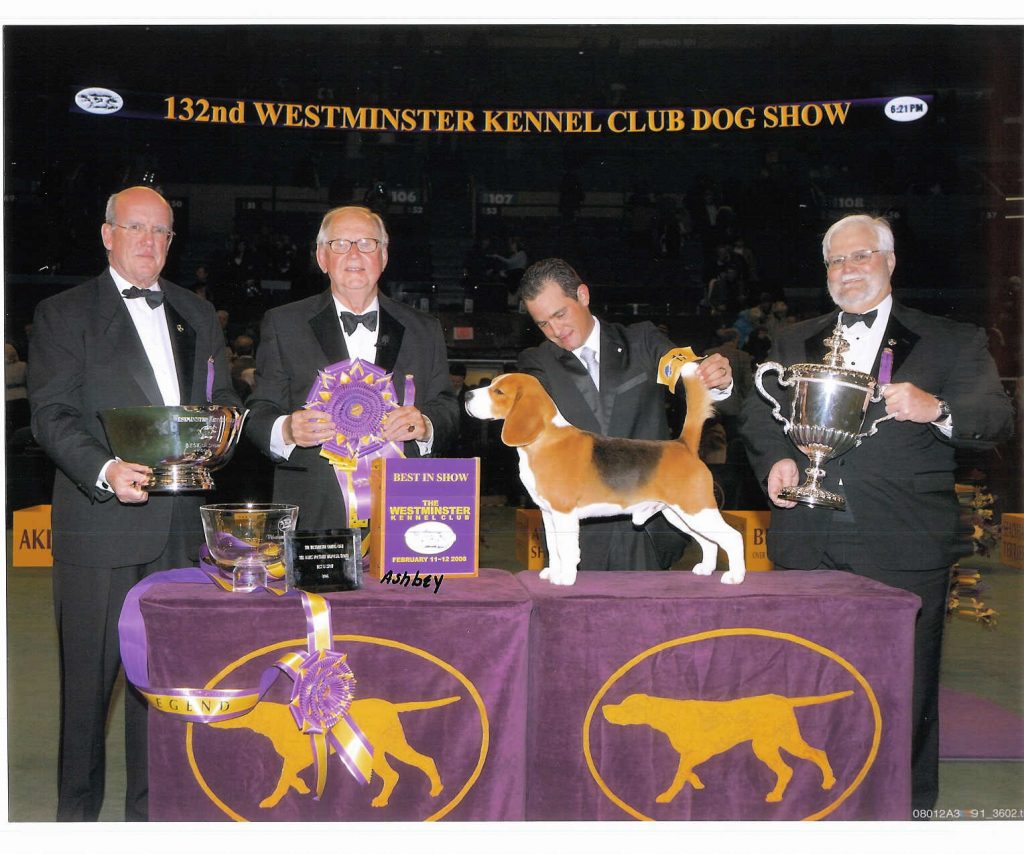
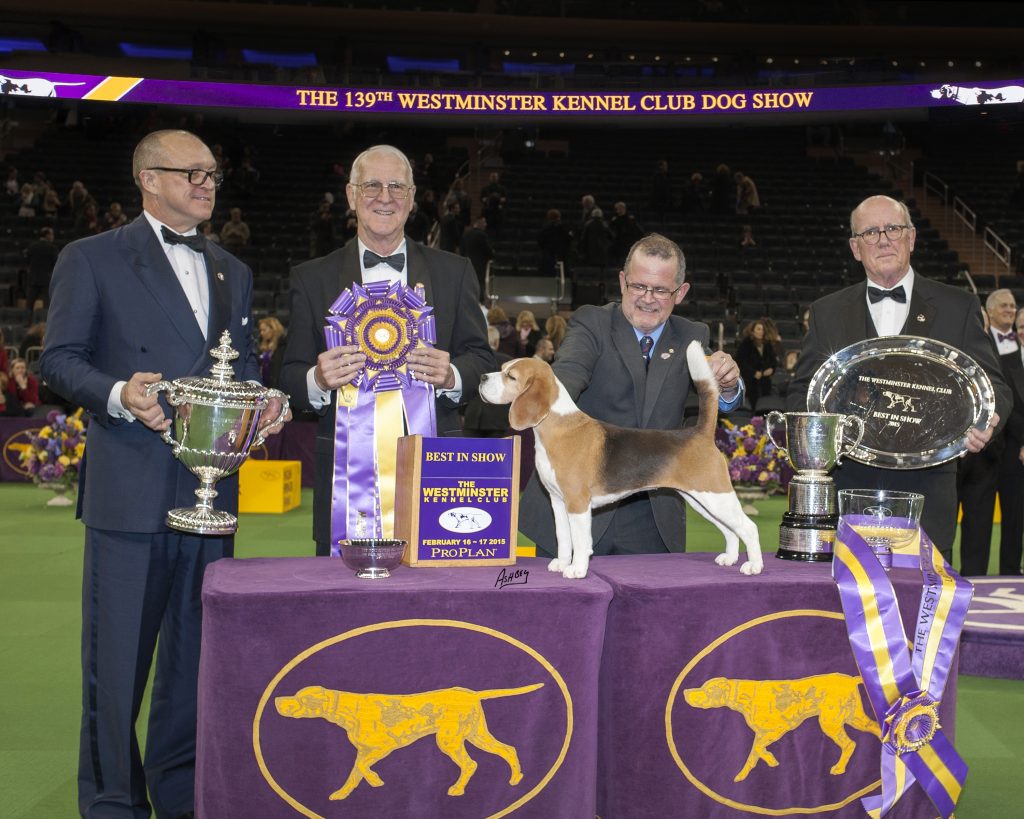
Co-owner of not one, but two, Westminster Kennel Club BIS winners, Dziuk has more than held his own in the breeding and conformation arenas. Both Uno and Miss P, the modern Beagle winners at the Garden, find Dziuk’s breeding in their pedigrees. He talks about seeing both dogs at around six months and falling in love to the point that he’d “beg, borrow or steal” to be involved with their careers.
I believed in those dogs 100 percent,” Dziuk said. While Uno was an odds on favorite, Miss P was a complete surprise, he added. So much so that he missed her winning Tuesday night while on the road for work. “I turned on the tv in the hotel room in Vegas just in time to watch her win,” he observed with obvious dismay.
Encouragement for Owner Handlers
As a long time owner handler, Dziuk encourages owners to compete with their dogs. The top winning 13” Beagle of all time was a dog he showed himself on weekends only. He does note that times are different and the proliferation of dog shows means chasing records is much harder these days.
After 40 years of dogs, every dog show is still an opportunity to learn. It’s a journey,” Dziuk said, “Embrace it.” He also encourages sharing knowledge — whether through judging, belonging to a club, whatever it is.
Final Words
“If nobody is willing to do the work, there will be no dog shows.”