

81 – Social Media Challenge from Randy Benns and Luke Baggenstos
Social Media Challenge
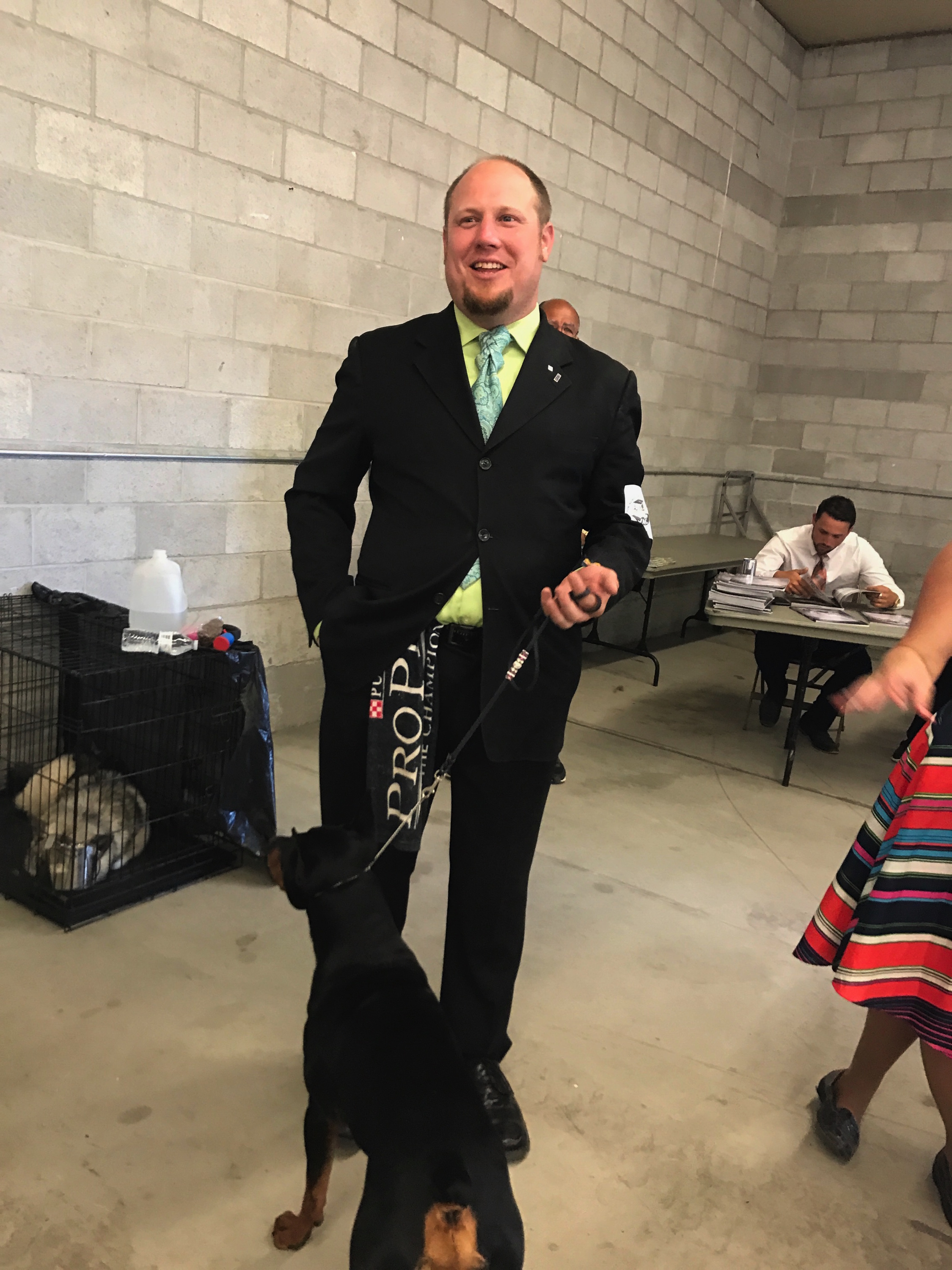
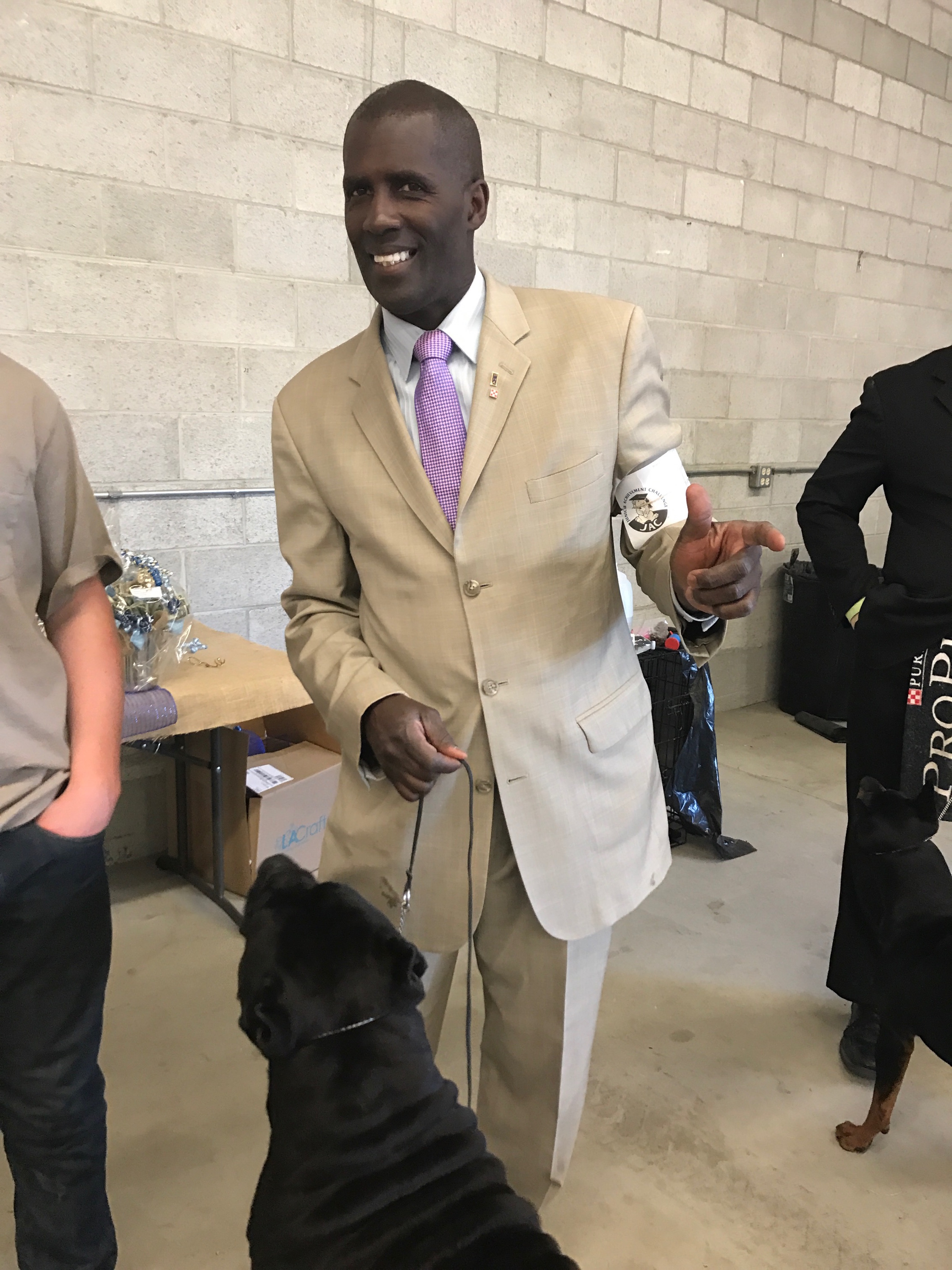
Randy Benns and Luke Baggenstos are both members of the Professional Handler’s Association.
Luke Baggenstos
Luke literally was born into dogs. His parents and stepmother are all dog people. He worked for dad, Rick, and stepmom Dinah, both PHA handlers, and followed in their footsteps. In fact, the bulk of his extended family are “in dogs.” His wife, Rowan, is the daughter of Canadian Akita, Shiba Inu & Japanese Chin breeder Susan Norris-Jones. His brother is married to professional handler, Jen Holmberg.
I began in dogs at birth. My parents bred and showed Old English Sheepdogs and Afghan Hounds. I first went into juniors at a Fun Match with my Afghan at the ripe old age of 4. Needless to say I was hooked. As soon as I was old enough I participated in junior handling, showing my mother’s Afghans. My parents divorced when I was 11 but I continued to attend shows even when my mom did not. I would travel to the shows and work for my Dad, Rick, and Stepmom, Dinah. I apprenticed for 13 years with them. In the mean time I also put myself through school earning my Associates degree in Business Management. I then went to work at New England Financial and then Met Financial but I missed the dogs too much. I quit a great Career to be a dog handler, a job I truly love,” Luke says.
Randy Benns
Randy is “first generation” dog man who, with wife Lisa Haney, is a noted all-breed handler. In his words, he started in dogs because someone told him he couldn’t. He started with chow chows in the late 1980s. He graduated from University of Utah with a degree in political science.
Later Randy apprenticed under the renowned all-breed judge, Dorothy Nickles. Over the years he’s shown top ranked Beagles, Giant Schnauzers, American Staffordshire Terriers and, more recently, American Eskimo Dogs.
Social Media, Dog Shows and Instant Influence
Luke and Randy tackle the thorny issue of social media and how it impacts the purebred dog fancy.
Luke is not a “Social media superstar,” but participates. Randy is a strong opponent of the medium. We hear from each side of the aisle as these two opinionated friends share their thoughts.
Take a minute to really think about their common message…. If you won’t say it to somebody’s face directly, *don’t* write it for 1000 of your “closest” friends to read….
As always, we’d love to hear from you! Share YOUR thoughts on ways our sport can improve… with or withOUT social media!
80 – Steve Gladstone: In His Words
79 – Valerie Nunes-Atkinson Handling Seminars: Ready to Handle Like a Pro?
Valerie Nunes-Atkinson
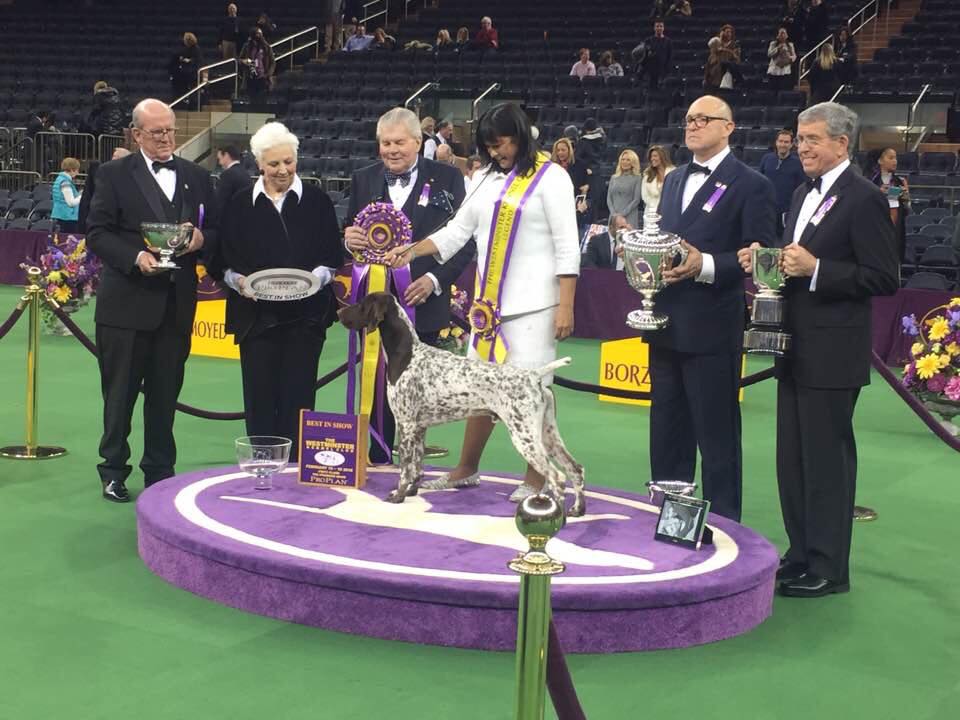
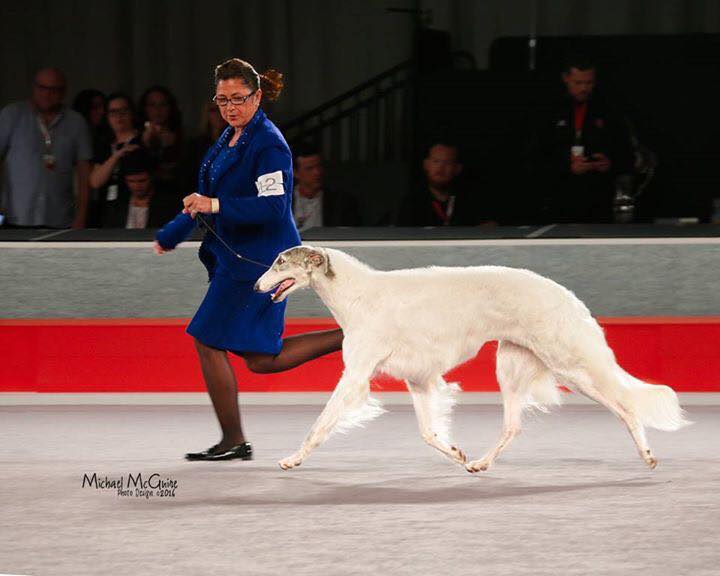
Best known for CJ and his Westminster win, Valerie is a 2nd generation breeder with the passion for handling, training, breeding, and conditioning show dogs.
Pay It Forward – Handling Seminars for Owner Handlers and Juniors
Valerie has a deep love for her dogs, and a deep love for her sport. She is focused on a Pay-It-Forward future by training owner-handlers and juniors in international handling seminars.
Dispel the “Owner Handler Cannot Compete” Belief
For those who want to raise their game, for those ready to dispel the owner handler cannot compete belief, for those who will work to win on a consistent basis; Valerie is ready to help.
Professional Handlers do this 24 hours a day!
One of the drawbacks of the owner handler and frequent complaints from the judges is lack of conditioning. The seminars are not just how to hold your lead, but how to condition, train, and prepare for the ring.
Puppy Training or How to Raise a Rock Star Show Dog
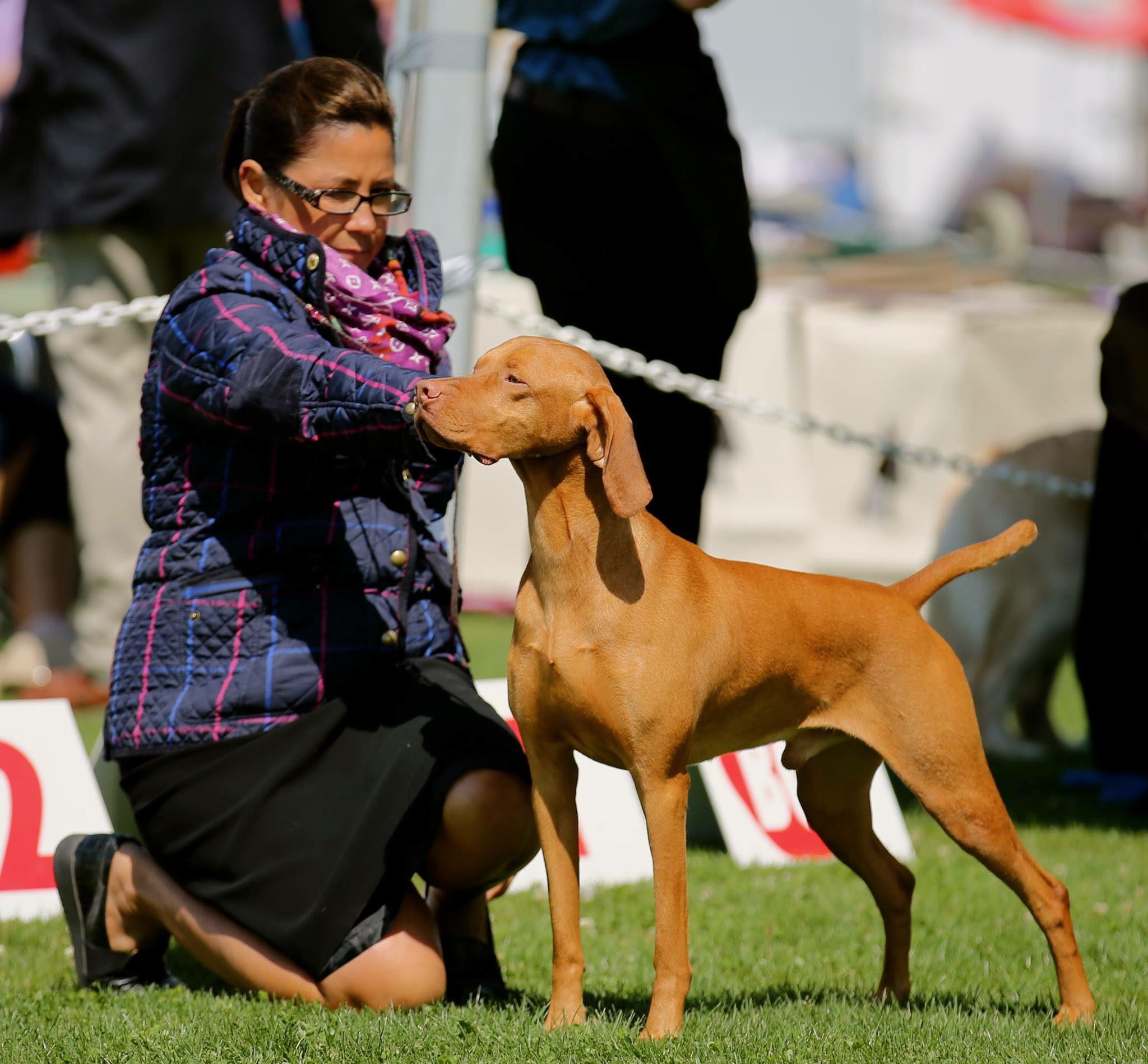
Puppy training starts at birth and the time, effort, dedication, and persistence required evolves from the time that they are puppies. With a horse background, Valerie trains carriage and outline on her dogs.
Lead Breaking Tip
Train in circles, moving only to the right… Never lead break in a straight line. The puppy should bend and flex around you. After two or three circles, end with the dog facing straight towards you and looking at you. Don’t pull!!! Use treats or sounds to keep him engaged.
Breeders and Exhibitors
Dog shows are intended to evaluate breeding stock. But today, not everyone that shows are interested in breeding.
Some just like to own and show and this group of exhibitors are both welcome and deserve respect.
But encouragement is needed to help interest exhibitors to become breeders. For without our breeders, we will lose our dogs.
78 – Litter Evaluation Workshop: Recorded LIVE with Laura Reeves
Litter Evaluation Workshop: Recorded LIVE with Laura Reeves
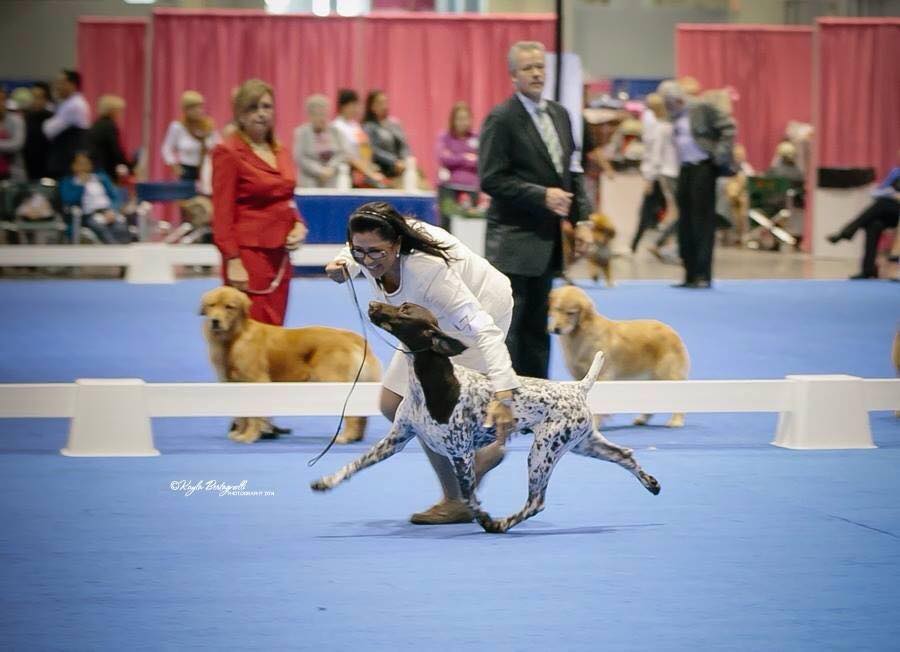
Puppy litters are our hopes, dreams, and a bit of mystery for dog breeders. Every litter is a chance to get it right, to learn a little more about our breeding selections.
Picking the Right Puppy
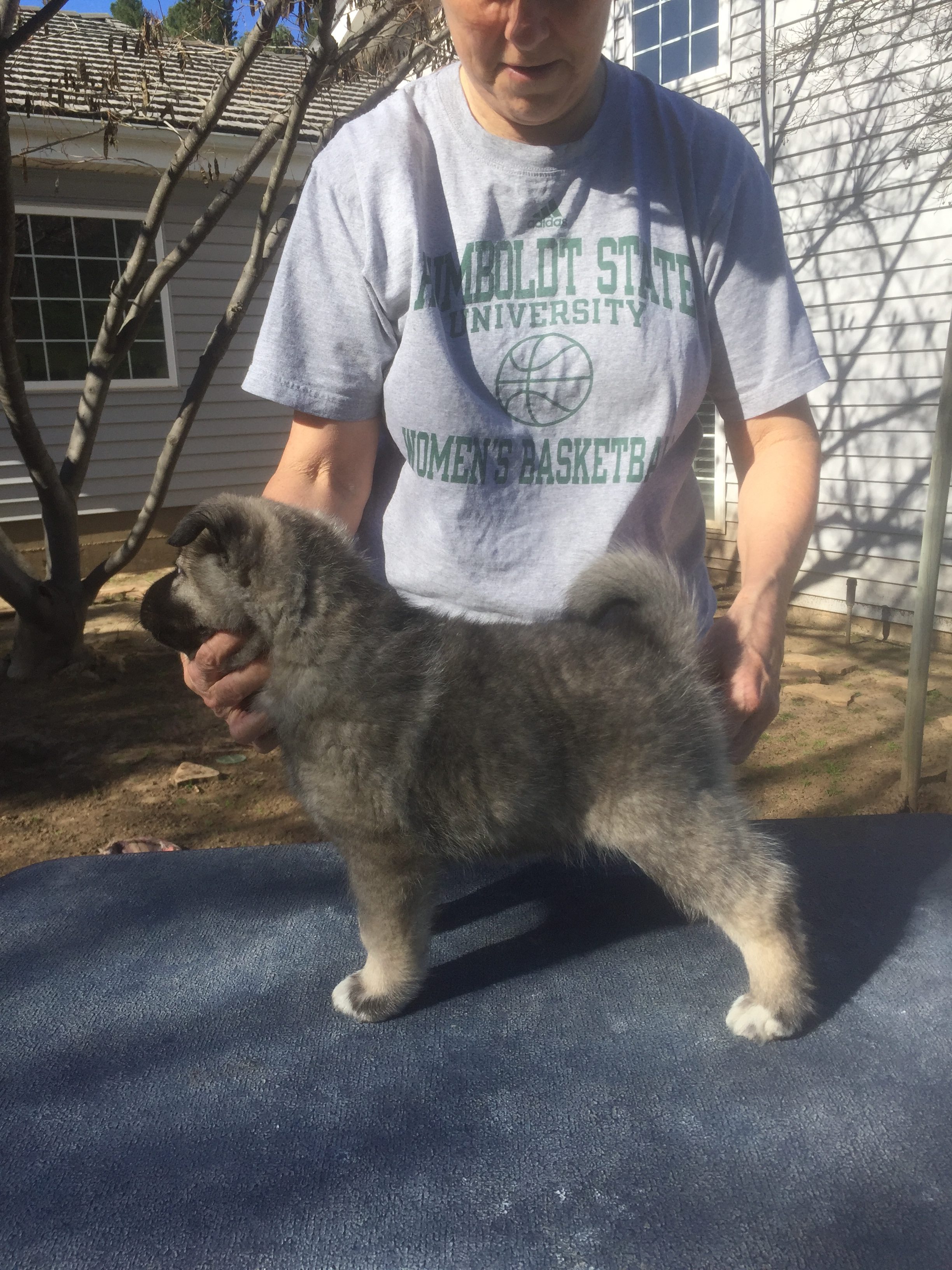
Our second challenge as breeders is picking the right puppy. At 8 weeks, puppies are full of potential, and sometimes the best one gets away.
Laura Reeves suggests learning how to evaluate puppy litters with puppies that you are not emotionally attached to. Avoid the heart string decisions. Ask for every opportunity on breeds that are not your own, with master breeders to guide you.
Structure, Temperament, and Breed Standard Evaluation
In this workshop, two distinct breeds are evaluated – Smooth Fox Terrier and Wire Haired Dachshunds.
Please enjoy this workshop!
77 – One Breed, One World: Think and Breed Global with Doug Johnson
One Breed, One World: Think and Breed Global with Doug Johnson
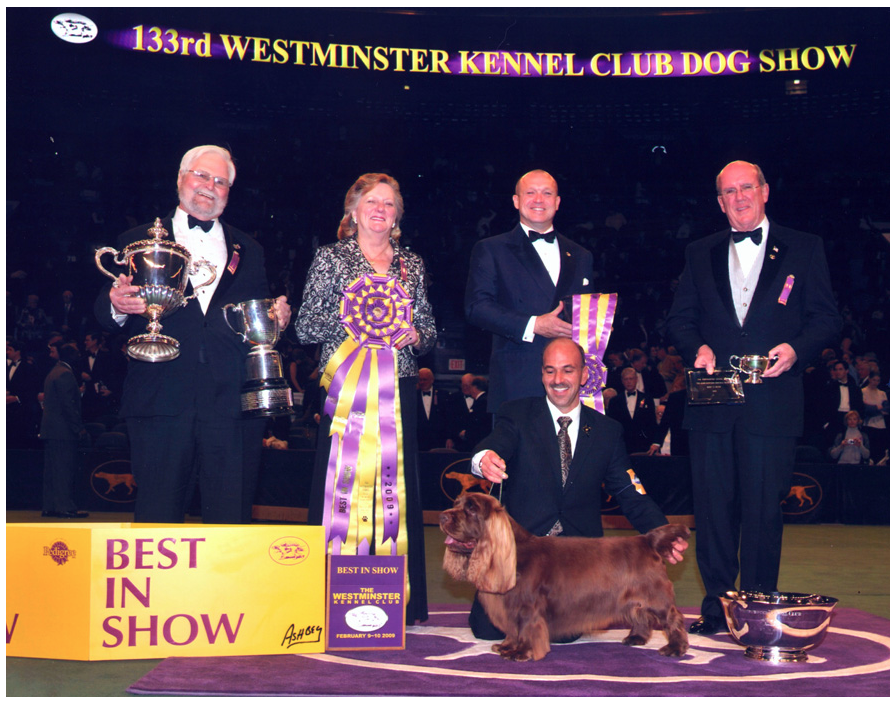
STUMP – PHOTO COURTESY OF DOUG JOHNSON
One Breed, One World
Doug Johnson started at a young and impressionable age of 15, and attributes his “no bias” mentality to his youth.
Pursuit in quality is the top priority in working in small gene pools and shrinking gene pools are a factor that even popular breeds are facing. Pursuit in quality means that there is “no bias” towards or against the kennel or “camp” that the dog is associated with.
Doug Johnson breeds by physical trait, dogs that look alike or resemble each other regardless of the pedigree.
We use science as a tool, but breeding is an art
Genetic testing is a must-use tool, especially when breeding internationally.
Search the Globe
Search the globe and exchange dogs internationally. Consider building bridges by exchanging dogs with top international breeders for a second or third generation “puppy back”.
We can’t be be island breeders anymore.
Resist Fashion
Resist the “Americanization of Show Dogs” fashion trend. Dogs are bred to standards and should look and be the same everywhere. The English Springer Spaniel in the U.S. for example, has lost proper croup for a “showier” presentation in the ring.
Test and Tell
Yes, Test AND TELL!!! It’s not about you. Small gene pools cannot survive without the sharing of test results, good and bad. As genetic testing improves, the necessity for greater understanding, education, communication and reliance on other breeders is needed. The perfect dog without a specific recessive gene may be in Australia, or Germany or even Russia.
Look at the success of the African Basenji Project featured in Pure Dog Talk #67.
Drop the Ego
Don’t believe the press. You’re top winning dog may not be the best example of your breed. You may have had better dogs in the past, and this is just the best one at this time.
Want success for other people. Keep every door open and commit to lifelong learning.
Elevate who you are and be honest about your animals.
Be Grateful
Above all, be grateful. Be grateful for others and grateful for our dogs and what they give us all.
76 – Bo Bengtson and Paul Lepiane: History and Future of Dog Show Competition
Bo Bengtson and Paul Lepiane: The History and the Future of Dog Show Competition
Paul and Bo, whippet breeders and publishers of several magazines, share their thoughts on breed drift and the past, present and future of dog shows in this wide ranging, thoughtful interview.
We discuss why some breeds drift *a lot* and others it’s barely noticeable. Bo shares ideas he focused on while authoring the book, Best in Show: The World of Show Dogs and Dog Shows.
Primarily that history informs the current day and helps us understand our world.
75 – Edd Bivin: Take the Lead and AKC Judge
Edd Bivin: Dedicated to the Sport of Dogs
From Pomeranians to prestigious judge at Westminster and National Events, Mr. Bivin contributes to the sport through the Take the Lead Foundation. Listen to episode 75 as he shares his history and dedication with Laura Reeves.
Edd E. Bivin, of Fort Worth, Texas, acquired his first purebred dog, a Pomeranian bitch, at age 12. This introduced him to the sport of dogs and became the foundation of a breeding program that led to his breeding and exhibiting top-winning Poms. Additionally, he says, “My wife Irene and I enjoyed the breeding and exhibiting of Doberman Pinschers and Dachshunds during her lifetime.”
Mr. Bivin first judged toy dogs at match shows at the age of 15. He was approved to judge Pomeranians at U.S. championship point shows in 1961 and is today approved for all sporting, working, terrier, toy, and non-sporting breeds, and several herding breeds. “It has been my privilege to judge many all-breed and specialty shows in the United States and abroad,” he says, “among those being many of the internationally famous ones–Best in Show at Westminster, 1999. A great joy has been the judging of many national specialty shows of various breeds in the groups for which I am approved.”
Mr. Bivin is chairman of Take the Lead, a charitable organization for people in the sport. “It is a way for me and others to give back to a sport from which we have taken so much.” He served for 32 years as an administrator at Texas Christian University, with 18 of those years spent as Vice Chancellor for Administrative Services.
74 – Eugene Blake: International Judge and Best Dressed Gentleman
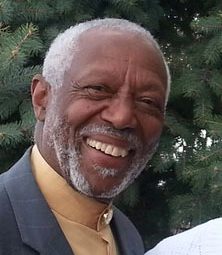
Eugene Blake – International Judge
Eugene Blake is always dapper in appearance, impeccable in style, and a smile full of life and joy.
He is a lovely judge to show under, a man of extensive dog knowledge, and a willing mentor for new exhibitors in the show ring.
In this interview, Eugene shares his history, fascination and love of dogs. Don’t miss the in-depth Sighthound Review article written by Bo Bengtson.
Professional Handler to AKC and International Judge
I started working with dogs in 1954 as a dog bather at a French Poodle Shop in Houston, Texas. I attended my first dog show in 1955 and then decided I wanted to show dogs.
I became an All-Breed licensed handler in 1968. I showed dogs professionally for some 33 years, then, I retired, and became a judge. During that time, I bred Poodles, Cocker Spaniels, Italian Greyhounds, Maltese, Yorkshire Terriers, Salukis, and Afghan Hounds. I never bred more than 4 litters of any of one breed. As a handler I helped many of my clients with their breeding programs, including choosing studs, and picking puppies.
I started judging in 1990, with the Hound Group. Since that time I have added the Sporting Group, Toy Group, and Non-Sporting Group. I judge 4 Groups: Best in Show, Junior Showmanship, and Miscellaneous. I have judged in Australia, Canada, Finland, Indonesia, Japan, New Zealand, Sweden, Taiwan, and Thailand. As of now, I judge between 60 and 70 shows a year. AKC Biography
73 – Dog Grooming: Back to Basics for Better Coats
Grooming Back to Basics for Better Coats
Coat Care
Establish a Routine
Brushing the Coat
Train the Dog for Grooming
The Dreaded Toe Nails
Bathing
Drying
72 – Steve Gladstone: AKC Board of Directors and Cardigan Welsh Corgis
Steve Gladstone – AKC Board of Directors and Cardigan Welsh Corgis
AKC Judges Biography
Steven D. Gladstone, of Mount Pocono, Pennsylvania, sits on the AKC Board of Directors. He has bred and shown Cardigan Welsh Corgis under the Aragorn prefix since 1974, earning more than 100 AKC titles in nearly every aspect of the sport in which a Cardigan can compete. One of their most cherished memories was winning BOB at the 1984 AKC Centennial Show in Philadelphia under the noted Cardigan fancier Dr. Ed McGough. The Gladstones have also owned Norwegian Elkhounds, German Shepherd Dogs, and Australian Shepherds.
Mr. Gladstone began judging match shows in the late 1970s and was first approved to judge Cardigans in 1988. He now judges the Herding and Working groups and five hound breeds. Judging trips have included assignments in New Zealand, England, Canada, and most recently, Saint Petersburg, Russia. He also judged the AKC/Eukanuba National Championship show in 2003 and 2005.
Mr. Gladstone has been AKC Delegate from the Reno Kennel Club since 1999. Mr. and Mrs. Gladstone are members of the Cardigan Welsh Corgi Club of America, and each has served on the club’s board of directors over the years. They are also longtime members of the Pocono Mountain Kennel Club and the Penn Ridge Kennel Club, both in Pennsylvania.
Before serving as a Delegate, Mr. Gladstone represented members of the fancy for 15 years as their attorney. Those representations concerned most every possible problem that can arise in the sport, from disciplinary matters to judges’ applications to registrations, club relations, and studbook discrepancies. Through his experience in this field, Mr. Gladstone is “proud to have helped reshape the AKC Discipline Bylaws,” which he feels gives the fanciers “a truly fair and equitable disciplinary system.”