
Posts by Laura Reeves
SPECIAL: Who to Watch to Win Westminster| Allison Foley

WHO TO WATCH? INSIDER’S TALK ON WESTMINSTER KENNEL CLUB
Recorded TODAY in NYC: Laura Reeves and Allison Foley Talk Who to Watch to Win Westminster Kennel Club the night before the show.
Allison Foley, Professional Handler and Pure Dog Talk’s Tips of the Week host, gives the Canadian perspective and rumors from the hotels and piers.
Laura Reeves, PHA handler, and host of Pure Dog Talk tosses some good ones in too.
Let us know who you think will win!!!
156 – David Helming – At The Helm of Westminster

HELMING THE GARDEN – WESTMINSTER KENNEL CLUB
Westminster Kennel Club’s newest show chair, David Helming, has certainly experienced this prestigious events from all ends of the spectrum. Helming took over as show chair for Tom Bradley last year. But he has judged his breed, Newfoundlands, there and, he and his wife, Peggy, bred and owned Josh, the 2004 BIS winner, shown by Michelle (Ostermiller) Scott.

The Helmings whelped their first litter of Newfoundlands 50 years ago. Their Pouchcove dogs are iconic in the breed, earning AKC Breeder of the Year accolades in 2005.
“I’m very excited for this year,” Helming said. “I got an email from Tom Bradley the year we moved to the piers asking if I’d be the grounds chair.” From that point, Helming transitioned to several years as assistant show chair to Bradley before taking the wheel last year.
“This is a show of many people,” Helming noted. “We have tremendous staff working on it. It’s a true production.”
ENTRIES AT WESTMINSTER KENNEL CLUB
Helming noted that this year’s 3200 total entry include 201 of the 202 possible breeds and varieties, 95 junior handlers and a conformation entry that reached its limits for the first time in several years.
“This is the second year televising with Fox,” Helming added. “This is a great group to work with. These are experienced sports people. This year we’ll have new coverages, better camera shots and interviews.”
Westminster Week will air on three parts of the network: Agility Finals, recorded Saturday night, will air on the main Fox channel Sunday afternoon. NatGeoWild will offer *live* coverage of breed judging at the Piers from 1 to 4 p.m. Eastern. And FS1 will return with live showing of the groups and best in show at Madison Square Garden on Monday and Tuesday evenings.
LIVE AT THE PIERS
“We’ve expanded this quite a bit over last year,” Helming said. “It’s exciting for exhibitors and adds a twist that at some point exhibitors and judges at the Piers might be on live television. It’s great coverage for our sport and the event.”
DOG SHOW 101
Another program Helming touts is Dog Show 101, designed to educate the public and spectators about what they are seeing in the ring. The program, debuted last year to rave reviews. It features judges such as Jim Reynolds, Bradley, Dottie Collier and David Haddock talking to groups of spectators to explain ring procedures, judging criteria and more. Exhibitors receive educational materials along with their personal guidance from some of the sports luminaries.
Helming added that the junior showmanship participants are going to be put to work helping with the Dog Show 101 programs and even the live filming at MSG.
“Cliff Steele (best junior showmanship judge) is going to have a lot of fun and very tough choices,” Helming said.
Listen to Helming talk about the memories of the Garden, the mystique, the essence of what it means to “get out there on that green carpet, get your dog set up and start looking around. The excitement is incredible.”
“It’s hard to find someone who doesn’t have a story”
TODAY ON PURE DOG TALK – WESTMINSTER
Join David and Laura as they talk about the intense, exclusive experience that is “The Garden.”
Breeders Voice: Michelle Santana, Foxfire Dobermans|Pure Dog Talk
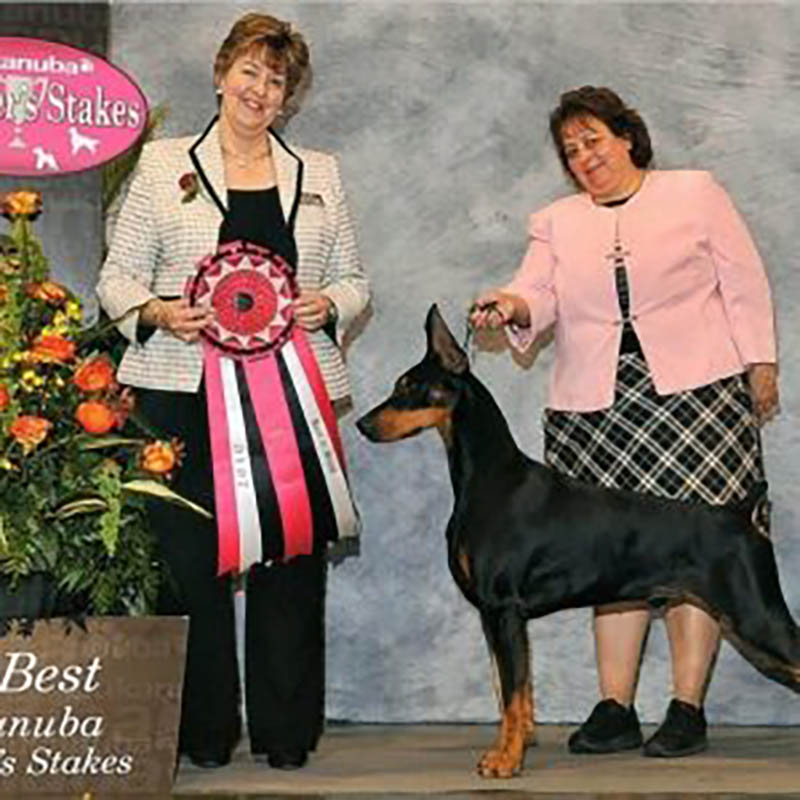
Michelle Santana of Foxfire Dobermans has been voted Breeder of the Year by her peers and Working Group Breeder of the Year by the American Kennel Club. She has a lifetime devoted to her beloved breed, focused on a style of dog that she has permanently emblazoned on her mind’s eye.
Read Full Post155 – Claire Ctibor – Junior Versatility Award|Road to Westminster

JUNIOR VERSATILITY AWARD – CLAIRE CTIBOR
Claire Ctibor started showing dogs when she was just 8 years old, with a six month old Chinese Crested. At 12 years old, Claire decided she didn’t want a “little dog” anymore, so she took over the training and exhibiting duties for one of the family’s Brittanies.
Five years later, Claire is headed for her first Westminster Kennel Club show and was one of the first kids honored under AKC’s brand new Junior Versatility Award program.
“Dog shows have been a part of my life since I was 8,” Claire said. “So that’s something I never want to give up. I know I’ll have to age out of juniors in six months and it’s really sad. It’s a huge part of my life. I’m really proud of this. It’s something unique that I get to have that not many other people have. I love my dogs more than anything. Doing the versatile stuff with Sailor… he’s so smart, can pick up on anything so quickly. I trained him when he was a puppy. It’s something I got to do with him, something I get to treasure the rest of my life. We accomplished that together.”
CLAIRE’S ROAD TO WESTMINSTER
Claire said she started doing field work with Sailor because he was so energetic and the dog show really wasn’t his happy place. “This dog gives me so much, does everything I ask for in the show ring. But it isn’t what he wants to do. He would much rather be running like a lunatic finding birds. So this gives him a chance to do what he wants to do also,” Claire said.
“I’m really proud of the what Sailor and I have accomplished because I did it all myself. And I bred him. He’s even got an Achiever Dog award from AKC,” Claire added.
As she preps for her first trip to the Garden, Claire is “super excited” and making up for lost time. “I qualified a couple times before. This is a really sad story. I qualified two years ago but missed entries. I missed qualifying by one point the next year.”
While Claire can’t miss much school, she and her family are driving up and have plans for a day of sight-seeing on Sunday.
Her partner in crime, so to speak? Her old reliable, Captain.
“Captain will be 12. It’s like brushing my teeth in the morning. I know him and he knows me. He’s my old man. He sleeps in my bed every night. I take him everywhere and put him in his pajamas when it’s cold. He’s spoiled rotten,” Claire said. “I know what he’s going to do. I can trust him. I know every move he’s going to make. Sailor, I was worried he wouldn’t be able to calm down enough.”
VALUE OF JUNIOR SHOWMANSHIP
Junior showmanship and purebred dogs, Claire said, are great teachers.
“If you have a dog when you’re 8 or 9 yrs old, that’s a ton of responsibility. It teaches good sportsmanship. You’re not going to win every time you walk in the ring. I certainly have been humbled more than once by that,” Claire said.
“If you love it, it’s going to pay off in the end. You have to be willing to do some things you may not want to do. Wake up at 4 in the morning, drive all night. Do what you have to do to make it work,” Claire noted.
The opportunity to work with dogs in multiple venues is especially rewarding, she added.
“When you’ve got dogs, young dogs especially, you need to have something to give them an out. We ask dogs to do a lot for us. They weren’t bred to be show dogs,” Claire said. “It’s good to build a relationship outside the show ring with your dog. Do something maybe he likes. You build a different relationship, it teaches you something new. It’s breathtaking to see him out there in the field.”
154 – Veterinary Voice with Dr. Marty Greer|C-Section Decisions

VETERINARY VOICE — C SECTIONS: WHEN, WHY AND HOW
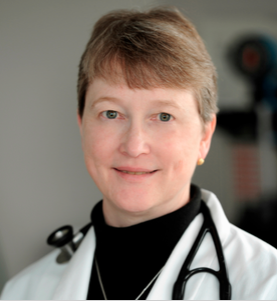
DR. MARTY GREER, DVM, JD
Welcome to the debut of this exciting monthly feature here at PureDogTalk. Dr. Greer offers outstanding information on a variety of topics. She is a licensed veterinarian and attorney who specializes in reproductive issues at her clinic in Wisconsin.
PureDogTalk listeners are fortunate to have a front row seat for Dr. Greer’s knowledge, experience and compassion, now on a monthly basis.
CEASARIAN SECTIONS
We’re talking today about Ceasarian sections…. the when, why and how of a difficult and emotionally fraught, potentially emergency whelping situation.
“These are scary, tough decisions,” Greer said. “Breeders and veterinarians are often both conflicted.” We’ve provided a graphic in the show notes with excellent information on protocols and a decision making checklist.
Greer discusses the differences between working with your regular veterinarian and an emergency or referral clinic which may not be as familiar with you and your pet.
“It’s the middle of the night, you’re sleep deprived, your dog and puppies are in trouble,” Greer observed. “You don’t always get the response from (an emergency clinic) to promptly intervene.”
PROGESTERONE TIMING FOR PREVENTION
The best cure is prevention, Greer said. Plan ahead and be prepared. Her best suggestion is to do progesterone timing at the outset of the breeding. This timing will give breeders the best information as to exactly when a litter is due and take away a great deal of heart ache and hand wringing on the topic of whether a C section is required.
“Try to be prepared. Do progesterone timing,” Greer noted, “do a pregnancy confirmation ultrasound, do a puppy count xray. Have your whelping supplies together. Put gas in your car!”
Progesterone timing, while perhaps not necessary to get a bitch bred with a natural breeding, allows breeders to be organized and well prepared, according to Greer. If a bitch is bred every other day for a week, the breeder has NO idea when she ovulated. “And, you have no way to gauge if/when she might need a Csection,” Greer added.
Breeder can do reverse progesterone at the end of the pregnancy if needed, but Greer noted this becomes much more costly than simply pulling blood for progesterone at the beginning.
“Losing a litter is very expensive. It’s very emotional for everyone,” Greer said.
She also spends time talking about how and why to build a relationship with your veterinarian. Most particularly breeders are recommended to treat the veterinary practitioner well, bring goodies for the staff, establish mutual respect. It isn’t always easy to find a clinic willing to work with a breeder. Greer recommends taking good care of those folks!
Breeders can also mentor veterinary students in their homes. “Take (baby veterinarians) to events. Invite them to join you on whelp watch,” Greer said. “Its a great way to build a bridge. The more we can do to mentor, help them understand, the better off we are.”
Greer also encourages breeders to play fair with their vet clinic. “Pay for a consultation, sit down with the veterinarian, let them know ‘this is what I do, this is what I need.’ They will know you are sincere. You need to have face to face conversation. “
While we’ll have a checklist from Greer here on the show notes, some specific details from Greer for evaluating a bitch at home as to whether a situation constitutes an emergency.
GREEN MEANS GO!
Her primary commentary is “green means go.” If a breeder sees green vaginal discharge **prior to the delivery of the first puppy** it means the bitch has placental separation and at least one, if not more puppies, are in danger from a lack of oxygen.
A final note from Greer, is that 75 percent of C sections are due to a problem with the bitch i.e. breed specific issues, uterine inertia, the number of puppies and more. The remaining 25 percent of issues are caused by a puppy coming the wrong way, a log jam in delivery and ore in that vein.
Listen today for more absolutely critical, life saving information from an experienced practitioner.
EMERGENCY C SECTIONS QUESTIONS
Questions for evaluation of the bitch at home or at the hospital indicating the probable need for an Emergency C-Section:
- Has the bitch been in hard labor (abdominal pushing) over 2 hours on the first or 1 hour on subsequent pups?
- Did the bitch initially show good abdominal contractions and stop without producing a puppy?
- Is there is green vaginal discharge PRIOR to the delivery of the first puppy?
- Does the bitch seem distressed? Frantic? Sick? Weak or unable to stand? Tremoring? Repeated vomiting?
- Is this labor pattern different than her previous ones?
- Has the bitch been unwilling or unable to eat and/or drink for over 12 hours?
- Has WhelpWiseR indicated there is a problem with fetal heart rates (<160 BPM) or uterine contraction patterns?
- Have any pups been born dead?
- Did a previous radiograph or ultrasound suggest there could be a problem? (low heart rates on ultrasound or pups without visible heartbeats?) (Malpresented or very large pups)
- Is a pup palpated on vaginal examination and in an unusual position or not progressing through the birth?
- Did her temperature drop to 98 degrees and rise to normal (over 101.0) and stay there more than 4 hours?
- Has her pregnancy exceeded 63 days?
- Does she appear to have a very large or very small litter?
- Does she have a previous history of dystocia?
- Is she a breed at risk for maternal or fetal causes of dystocia?
- Does she have unexplained or unusual discharge from her eyes?
- Is she having weak or non-productive contractions with multiple puppies left?
- If oxytocin has been used (more later), has there been a minimal or no response?
- Does the breeder or veterinary staff member have a feeling that something is going wrong? Trust their intuition.
If the answer to any of these questions is yes, you very likely need to assess the bitch as soon as possible and advise your client that the bitch should proceed to emergency surgery unless you can immediately correct any cause for dystocia.
153 – Vicki Ronchette|Showdogs from Shy to Showy
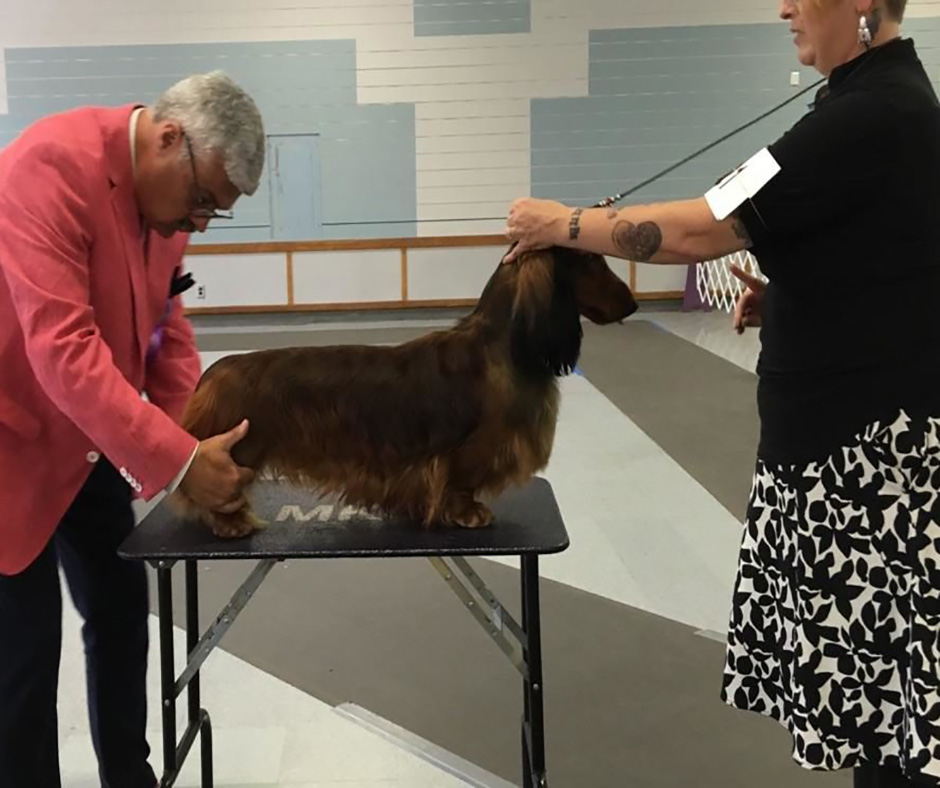
Vicki Ronchette wrote her book about showdogs “From Shy to Showy” after the success she’d had with positive training for show dogs during her popular training seminars.
She recommends desensitization and counter-conditioning so that dogs learn to be comfortable and love the show ring.
“We want to shift (the dog’s) entire emotional state,” Ronchette said. “You can’t punish or force an animal into feeling better about something. Each dog has a trigger and we need to figure that out first.”
Ronchette uses principles of applied behavior analysis to consider a behavior’s “antecedent” and its “consequence” to determine what and how she needs to go about helping change the dog’s behavioral response.
Dogs who are actually fearful require a bit different approach, Ronchette said.
“Fearful dogs have an emotional response,” she added. “Some (dogs) don’t end up loving it, but we can get (most of them) to the point that we finish them.”
It’s important to note, Ronchette said, “If you have a dog that’s injured people, it’s not ok to take it out there and have a stranger touch it every week. A lot of dogs get more reactive and worse if they are forced into (an uncomfortable behavior) without going through a training protocol.”
As she discusses on the podcast in several “real life” case study situations, Ronchette strongly advises pulling a dog from competition until its fear/reactive issues are resolved.
“We have to have the dog’s “head,” Ronchette said. “He has to be emotionally stable and feel safe with us and trust us (in order to work through the issues).”
She advocates taking a dog’s age into consideration. For example, is it experiencing a relatively normal “teenage” fear period where the dogs don’t always process and think about situations clearly.
With all these factors in mind, she replicates the “trigger” of the dog’s fear or anxiety and then works through the process of counter conditioning such that when the dog is “triggered” it reacts happily and looks to her for a reward.
Learning a dog’s stress signals is an opportunity, Ronchette noted, to catch the issue at a low level of anxiety and allows the exhibitor to distract the dog by asking for other known behaviors.
She’s also a huge advocate of choice for dogs. “I don’t want to use food to trick a dog into doing something,” Ronchette said. “If he chooses to do something, I will reward with food, but I want to give the dog the opportunity to make a choice. The dog has to know they have control and can make (a scary situation) stop… choice is a very powerful piece.”
And always leave them wanting more. “A puppy’s first show is one day,” Ronchette advised. “I want to put them away while they’re still asking for more.”
LISTEN TO VICKI ROCHETTE ON PURE DOG TALK
Listen in today as Vicki and Laura discuss these and other excellent training solutions for show dogs, specific case studies and more.
152 – Positive Training for Show Dogs|Vicki Ronchette
Positive Training for Show Dogs
Vicki Ronchette is a professional trainer working with dogs using positive reinforcement and theories of operant conditioning. Ronchette has written several books and teaches seminars on how to get the most out of your show dog with methods that are well known in other venues.
Ronchette started training dogs in the mid ‘80s when she was in high school. The training of the day was, as she describes it, “coercive.” In other words, the dog makes a mistake and the handler/trainer makes a correction. She is dedicated to changing that focus to one in which the dog offers a desired behavior and the handler/trainer rewards the dog.
“I started learning a more science based method,” Ronchette said. “More positive, more focused on what they do right.” She describes her training methods as “Least Intrusive, Minimally Aversive.”
While she noted there are individual dogs who can handle physical corrections, she was deterred from this training method by owners who couldn’t get the timing right. She added that if she can’t produce the desired results with her methods, she considers it a “trainer error,” not a learning error on the dog’s part. She backs up and starts over with smaller steps.
“Reinforcement causes a behavior to go up in frequency,” Ronchette said. “I set the animal up to do that behavior…. I shape it, lure it, whatever it takes to get the desired behavior, then I reinforce that behavior.”
Crate Training for Alternate Behavior
Ronchette believes in giving a dog an alternate behavior that he can get right. Crate training is a great example of conditioning a dog that the crate is “valuable” by starting with “choice,” the dog choosing to go into the open crate, and then building up the duration of time the dog is crated.
She adds that the predictability of purebred dogs should affect the dog folks choose as companions. And, it definitely impacts their training.
“If you take away something that is a natural behavior for the animal, you’d better be able to replace it with something else,” Ronchette noted. For example, herding dogs herd. It’s what they do. Asking a Border Collie not to corral the children means giving that dog an alternative.
Of particular note to our conformation listeners, Ronchette made the invaluable point: You have to *train* the dog!
Train for Conformation
“Train the dog for conformation,” Ronchette said. “Expecting them to perform without training isn’t reasonable.”
She strongly recommends training our show dogs with positive reinforcement. “However a behavior is learned, the emotional state lives with the behavior.” In other words, if you hammer that puppy into a hand stack, it will *always* hate hand stacking.
Teach Stand First
Another important note from Ronchette is that a dog’s default behavior when we as handlers are nervous is to go to the behavior they learned first or know best. Thus, her recommendation is to teach “stand” as the dog’s first command.
“Every moment we are with them they are learning,” Ronchette said. “We just need to make a decision to reinforce (a behavior) or not.”
Listen on Pure Dog Talk
Listen to this great conversation with Laura and Vicki, possibly challenging some of your training ideas. And tune in again next week when they take it to the next level!
151- Otterhound Semen Bank|Saving Endangered Breeds|Joellen Gregory
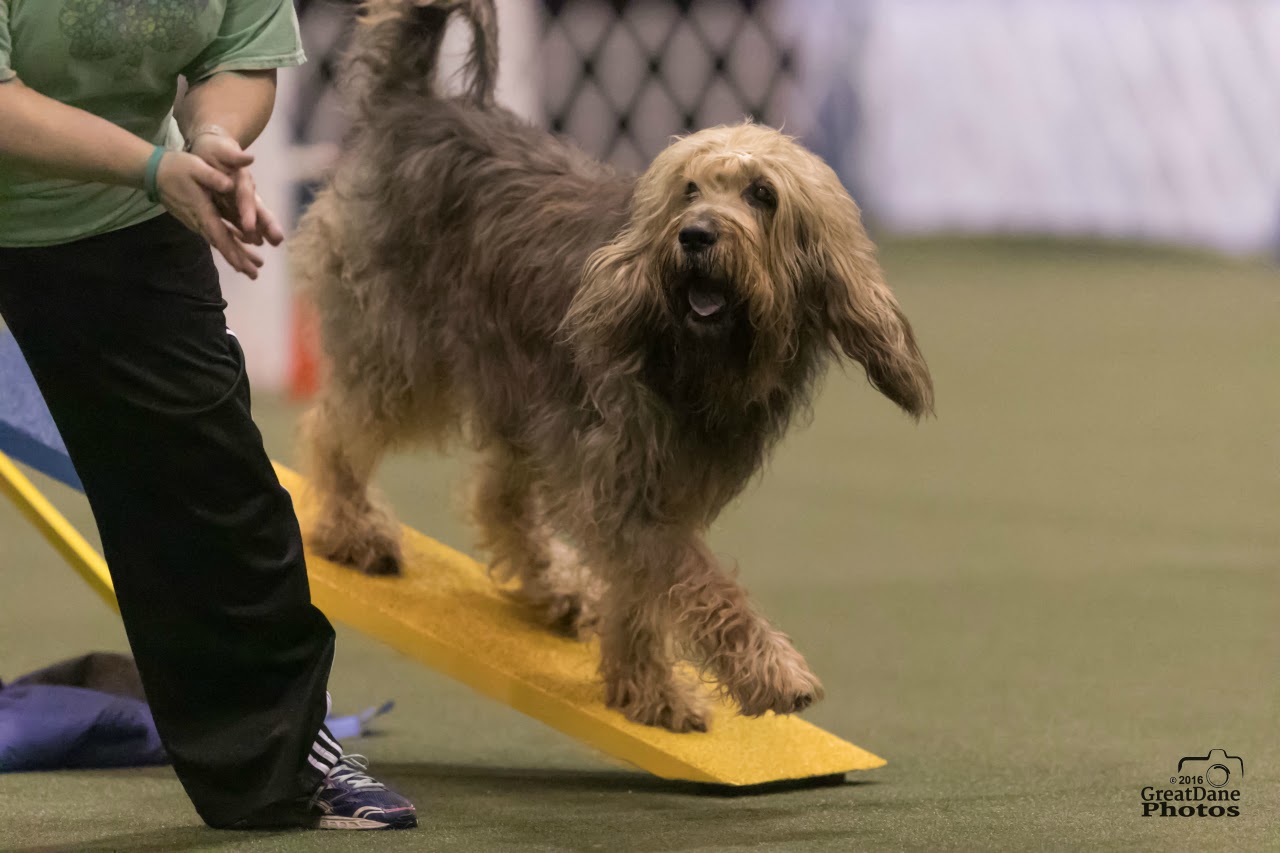
Saving Endangered Breeds – Otterhound Reproduction Bank
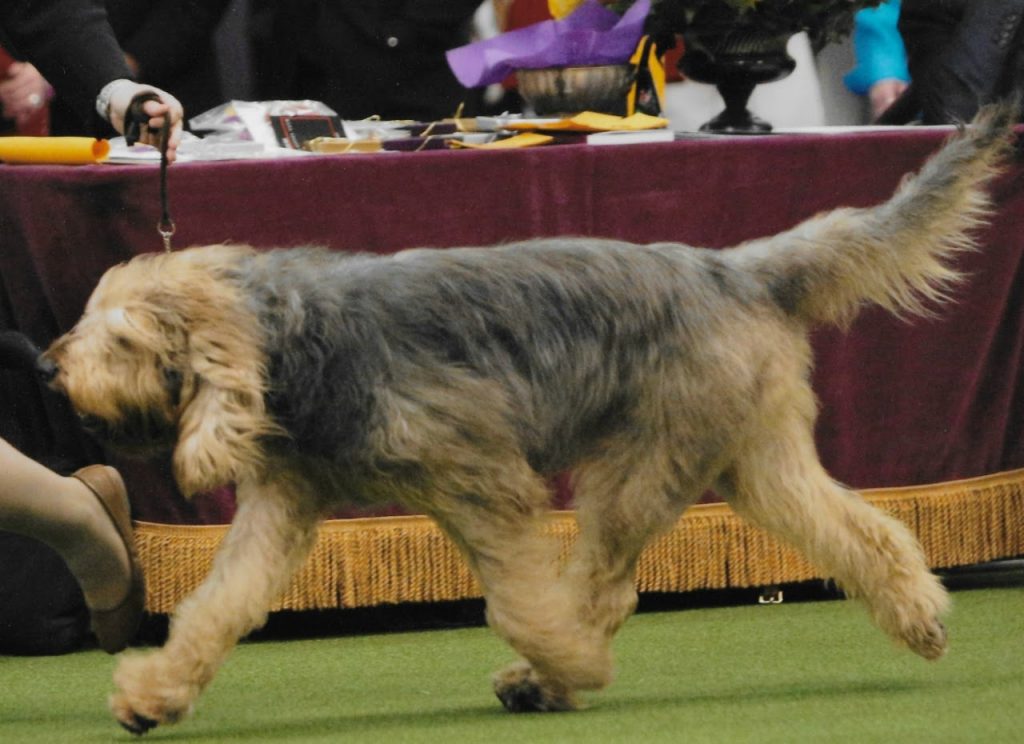
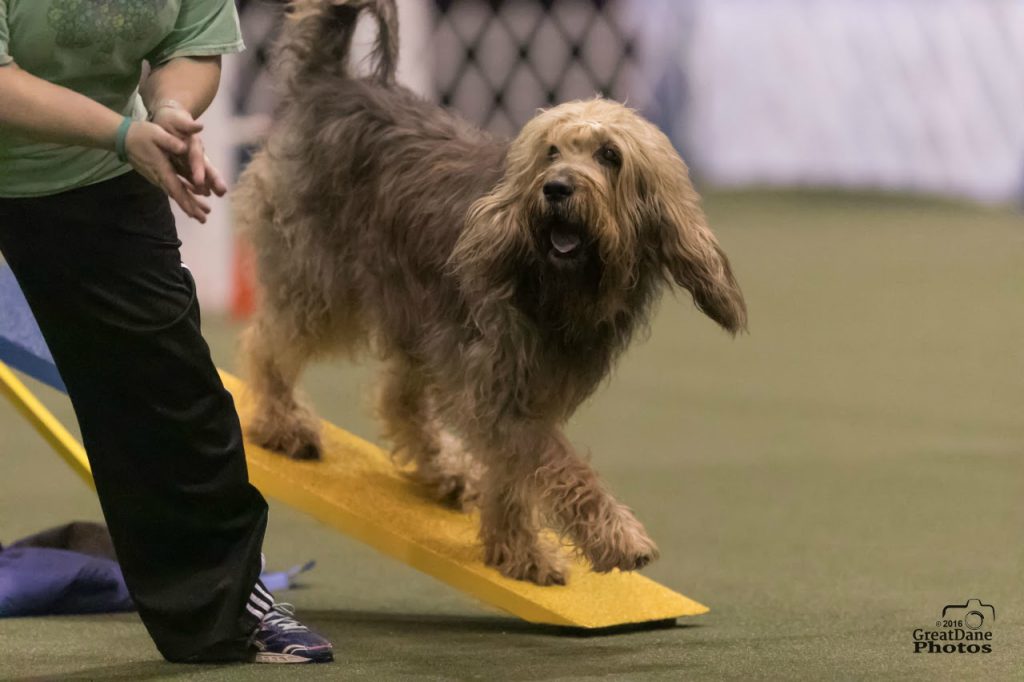
Otterhounds are outnumbered by Giant Pandas. There’s a number for you. And the Otterhound Club of America is doing something about it.
Joellen Gregory, DVM, is an Otterhound breeder, exhibitor and AKC Delegate from her national breed club. She is a member of the committee within the OCA which developed a groundbreaking Reproductive bank which will store semen and even frozen ovaries. The Bank was established in order to expand the possibilities for a breed with an estimated 800 dogs alive in the world.
“It has been quite a process,” Gregory said. “We realize we have an issue with the gene pool. We need more options to continue to have Otterhounds.”
Otterhound Reproduction Bank
The Otterhound Reproduction Bank began as a concept in 2009 but didn’t gain traction with the parent club members or the American Kennel Club, which at the time did not allow a corporation to own frozen semen. The committee disbanded for six years.
Gregory said that times are changing and when Dr. Carmen L. Battaglia spoke at an AKC Delegate’s meeting in 2016 about his concern regarding low number breeds, Gregory was there to speak up about this historic concept.
“The process was re-started by Betsy Conway, OCA president, in 2015,” Gregory said. “She founded the committee (within OCA) with five like-minded people who felt it was important to save our breed. The first step was to form a corporation.” The committee then came up with requirements for “deposits and withdrawals.”
“Then we needed to get the club members on board,” Gregory said. “It’s a different era than it was. More people have realized what a position our breed is in. It was easier to get support this time. It helped that we had rules worked out ahead of going to the club for support. The rules are very fair. No decisions are made by the bank. If your bitch qualifies, you get to use the semen.”
How It Works
The Otterhound Reproduction Bank rules enable an owner to donate “x” number of breedings. The rules encourage males who have CHIC numbers and would like to have semen from young dogs. But Gregory said, “We’ll take almost anybody.” The goal is to expand the available genetic material.
In order for a bitch owner to use semen from the bank, the bitch needs to be proven. “We need to know she can get pregnant and carry a litter to term before we release semen from the bank,” Gregory said.
One of the most exciting pieces of this new program is that it isn’t an “all boys club.”
Freezing Eggs
“We decided to call it a reproduction bank because we hope to be able to store ovaries or eggs at some point, depending on how the science develops,” Gregory said. “The only thing I know for sure is if we don’t freeze them they absolutely won’t be useful. We (potentially) would take eggs from a thawed ovary, inseminate and grow them … and put them into a dog…. It doesn’t have to be an Otterhound. We may not be able to do it now, but I see it for the future.”
After Gregory’s outreach to Battaglia at the 2016 Delegate’s meeting, AKC Board members supported the move and in February 2017, AKC approved the creation of a “parent club acknowledged semen bank.”
Gregory noted that the parent club doesn’t *approve* the semen bank, but needs to acknowledge it exists. And she added that the OHC and the Otterhound Reproduction Bank are happy to assist any other club interested in developing similar programs.
Listen Today on Pure Dog Talk
Listen today as Laura shares the excitement of this new program.

150 – The Dog Healers – a Novel by Mark Winik
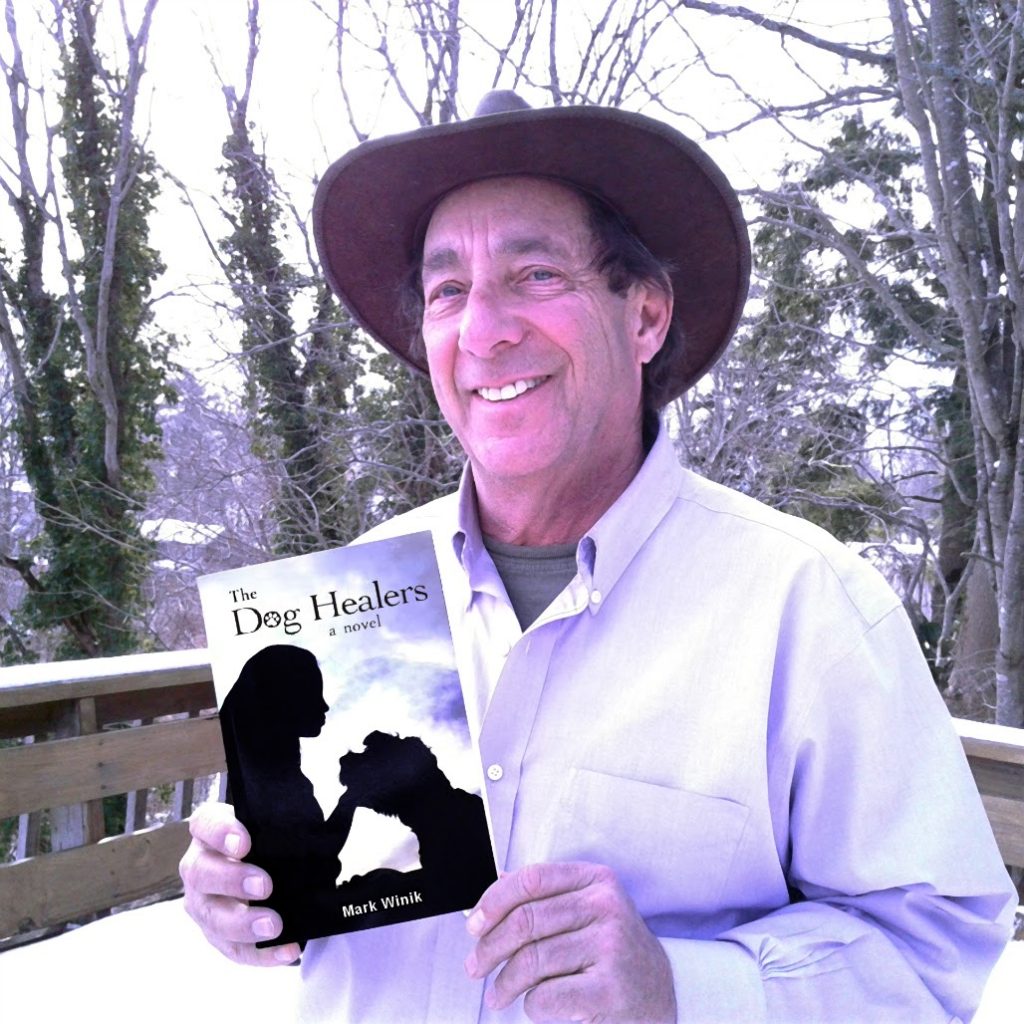
The Dog Healers – Dogs Healing the Human Spirit
Mark Winik’s novel The Dog Healers tells the story of Carlos and Isabella and the art of Tibetan massage which brings healing to both dogs and humans. The book is part fact, part fiction; part love story and part adventure.

The Dog Healers by Mark Winik
The book’s message and passion are both powerful and persuasive. Throughout the novel, the reader encounters innumerable ways in which the human-canine bond literally heals all parties involved.
Inspiration in Argentina
A lifelong dog lover, Winik discovered the inspiration for his novel while visiting his wife’s family in Buenos Aires, Argentina.
“I was captivated by the dog walkers there. They walk 5 to 20 dogs at one time. It’s a profession. And I noticed people massaging the dogs. I wanted to talk with the dog walkers, but nobody spoke English,” Winik said. Finally, he was directed to Carlos, who was also called the dog healer.
“I ended up spending two and a half days walking through neighborhoods and going to the park with (Carlos),” Winik said. “I got to know him and his philosophy. His idea is that dogs heal humans in so many ways.”
Winik’s story is based on those days spent talking to Carlos. It shares Carlos’ vision of dog healing and the love of his life, “Isabella” in the novel. The ancient kum nye Tibetan massage technique described in the book is practiced on people around the world. Carlos’ application to dogs, and even a racehorse in the book, allows for greater energy flow and a sort of mutual healing.
The fictional novel talks about the dogs of Tibet including what Winik dubbed “chowstiffs.” Clearly Tibetan Mastiffs by the description, Winik’s book talks about the bond between the dogs and the monks of Tibet. One key character in the novel is a Tibetan sherpa, Jamyang, who befriends the young Isabella while guiding climbing parties in South America, foretelling her connection with animals.
Winik also describes a number of other breeds in the novel, including Dogos Argentino. Isabella uses her special skills to rehabilitate a Dogo in the book.
Currently in the miscellaneous class in AKC, Dogos are used as guard dogs in Argentina, where they were originally developed to work as big game hunting dogs. The breed has developed a very fierce reputation, particularly in Argentina, due to their work guarding very wealthy estates there.
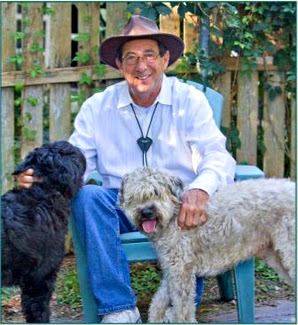
Mark Winik with Chickie and Paco
The Dog Healers Project
The dog healers project is Winik’s current passion. He is creating a documentary on therapy and service dogs with a message of how important dogs are in our lives.
“Dogs heal the human spirit and soul,” Winik said.
Listen today as Mark Winik joins Laura Reeves for an interview to talk about the profound bond we all share with our dogs.
149 – Pedigrees Produce Top Winners|Sue Huebner

Pedigrees That Built Cordmaker Pulik
Sue Huebner of Cordmaker Pulik, shares how she built the pedigrees that consistently produce top winners, including Preston.
“Breeding dogs is as much about luck and trust and interacting with other people as it is about the dogs in front of you,” Huebner said.
Huebner describes a 40 year process that started with wanting a dog to show. This journey was not without bumps in the road and a lot of learning along the way.
In 1988, she leased a bitch on the recommendation of her mentor in Australia.
“(Moppet) was primarily UK bred, with a slight Swedish outcross on one side,” Huebner said. “She was a beautiful make and shape. I can see Moppet in almost every bitch we breed.”
Shortly after Huebner’s first breeding, a sister of Moppet’s was bred to the same sire and produced a blind puppy.
“At that time, I think I had too much knowledge and too little understanding,” Huebner said. She was worried about potential health consequences with her foundation bitch, so consulted with a veterinarian who evaluated the puppy as not having a genetic disorder, but the only way to really prove it was to do a “close mating.”
Huebner decided to heed this advice and bred a son from her first litter back to the dam as a rough test of the genetics. “We had no blind puppies,” Huebner said. “And so I understood inbreeding very early in my career.”
“I never really had the same barrier to inbreeding that others do (as a result),” Huebner said. “It can be a useful tool in certain situations.”
“At this stage, all I’m selecting is for my show dog,” Huebner said. She decided she needed to go see more dogs, so she attended the U.S. National to look at dogs from Ann Bowley’s Wallbanger kennel.
Her research led her to “draw up the pedigree I’d like. If I had my choice of dog, this is what I’d like its pedigree to look like,” Huebner said.
She proceeded to contact breeders asking if they had a dog with a pedigree similar to the one she created.
Bokar Artful Dodger, bred by Carolyn Nusbickel, was the dog Huebner selected. “(Today) he is the dominant sire in our kennel,” Huebner said.
“This dog clicked with the English lines I had,” Huebner said. “It was a full outcross, but it clicked.”
Breeding is Art, Science and Luck
Breeding is a little art, a little science and a little luck, Huebner notes she’s seen Dodger bred to other lines where it didn’t nick.
At this point, Huebner decided she didn’t want to waste time, “I wanted to get what I wanted quickly.” So she bred Dodger to two half sisters.
“One of the difficulties preservation breeders face, where close breedings are not condoned, where we’ve applied almost a human incestuousness measure against what we do with dogs,” Huebner noted. “It makes those close matings difficult. To accelerate quality has become more difficult.”
Huebner then bred Dodger back to one of his daughters.
“I was cementing what I want,” Huebner said. “(These breedings) are telling me genetically what I can get. I’ve always believed if you have constant outcross matings, you may prevent seeing the problems, but the problems are still there.”
Cordmaker Mississippi Mud
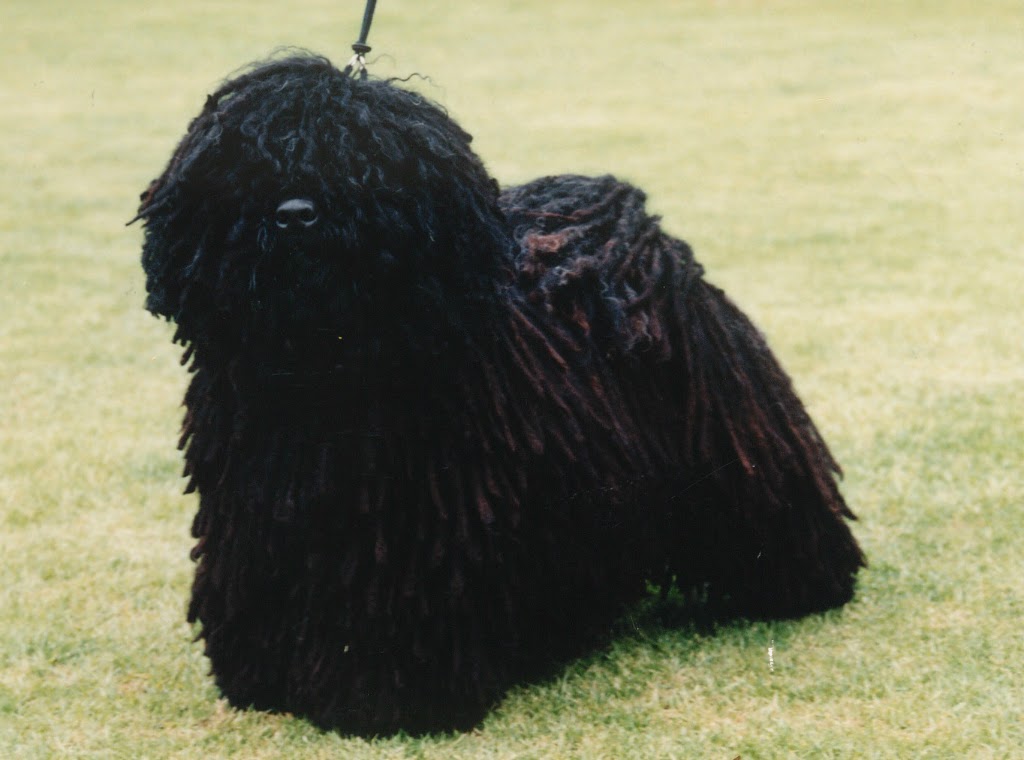
Cordmaker Mississippi Mud ‘AMISH’
One of Huebner’s most successful dogs was Cordmaker Mississippi Mud, “Amish,” a Dodger son. Amish was bred to an outcross bitch with predominately English lines, allowing Huebner to begin the development of two separate lines, one American and one English, allowing her to cross one to the other.
Listeners might remember a discussion on this topic with AKC judge and renowned Corgi breeder Bill Shelton. For folks who missed it, listen here.
“I had a simple objective,” Huebner said. “In every litter I wanted a higher percentage of dogs I believed were of true quality. … I focused in on a particular dog, a type, a way of evaluating what I wanted.”
Top Winning is not Top Producing
Huebner noted that relying on the dog show exclusively to evaluate your breeding stock means “you’re standing on moving sand.”
“When people start breeding they think ‘if I go to the dog that’s won the most then I must be guaranteed that that dog is going to work for me.’ I don’t think you have that guarantee at all. All you have is a dog that’s won a lot,” Huebner said.
“People ask me what is the secret of your success…. it depends how you measure success. I still think I have a long way to go in the breeding program. Until I have five puppies in the litter and they all get 8 of 10 then I might say aha.”
CORDMAKER PULIS THAT TRACE SOME OF THE BREEDING PROGRAM
AMISH a son of Bokar Artful Dodger (my first import semen from the USA). Sire of Cordmaker Field of dreams ‘Conrad’ ranked # 3 All Breeds in the USA.
PHILBY also a son of Bokar Artful Dodger mated to a UK line produced Denzel.
DENZEL sired by Philby mated to a UK bitch who carried some of the top Puli lines in the UK.
CHARLOTTE a daughter of Bokar Artful Dodger out of a UK imported bitch. Litter sister to Camila and Ziggy. Dam of Preston and Paddy.
CAMILLA a litter sister of Charlotte and Ziggy.
ZIGGY a brother to Charlotte and Camilla. Sire of our latest litter of puppies out of Cordmaker Mellow Yellow ‘Saffi’ (full sister to Preston and Paddy).
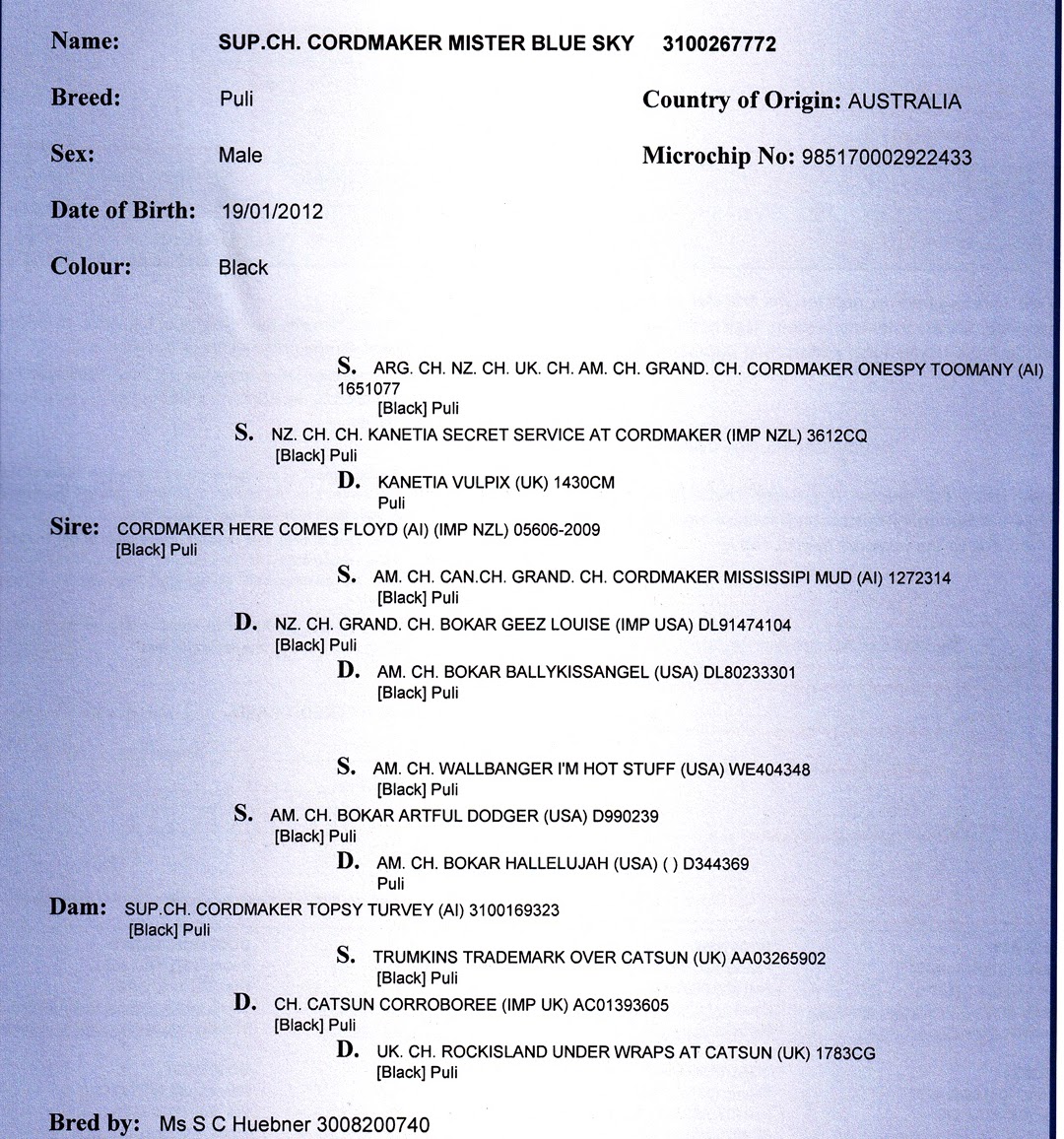
PRESTON a son of Charlotte and full brother to Paddy and Saffi (pedigree attached). Denzel is his grandsire.
BUDDY imported from the UK to cement the UK lines we had introduced in the Charlotte, Camilla, Ziggy litter. Mated to a Denzel daughter, he produced our current young show team being exhibited in Australia, New Zealand and the USA (pedigree attached).