
152 – Positive Training for Show Dogs|Vicki Ronchette
Positive Training for Show Dogs
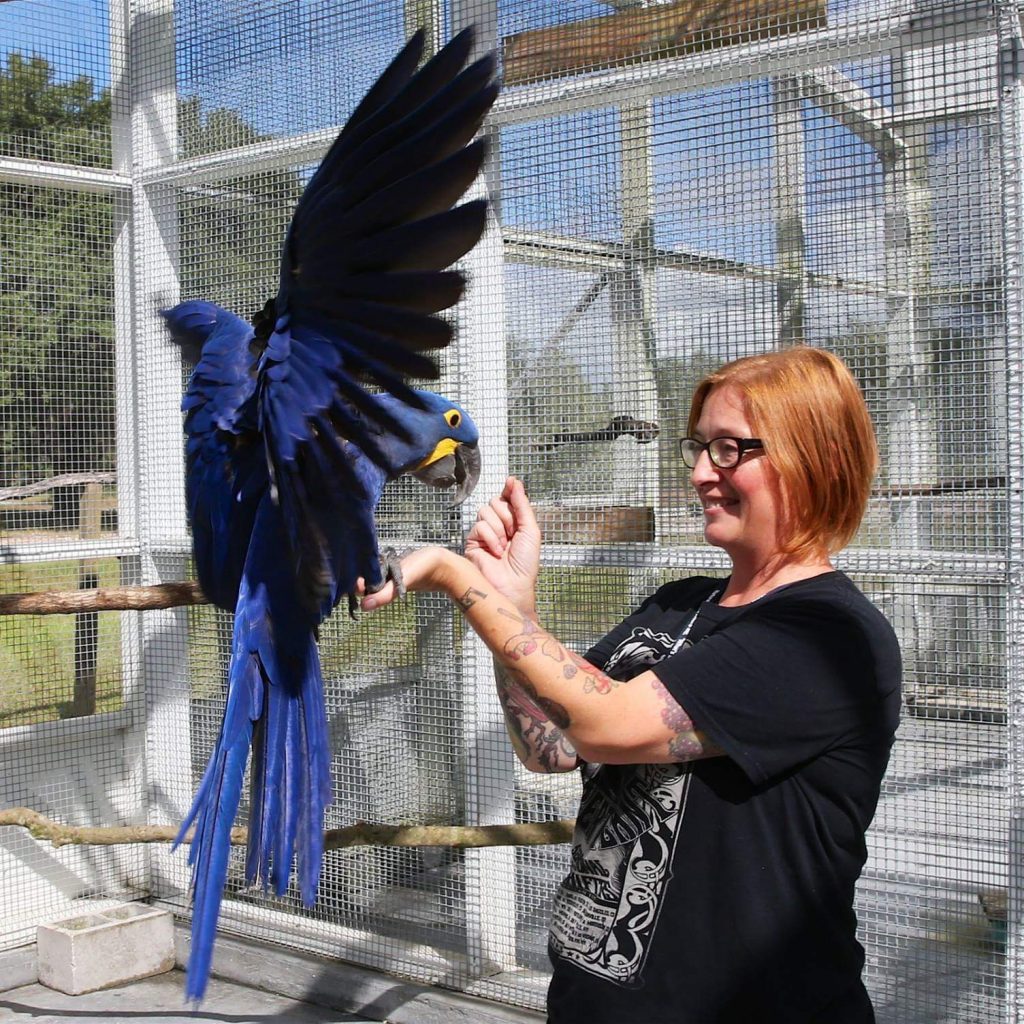
Vicki Ronchette is a professional trainer working with dogs using positive reinforcement and theories of operant conditioning. Ronchette has written several books and teaches seminars on how to get the most out of your show dog with methods that are well known in other venues.
Ronchette started training dogs in the mid ‘80s when she was in high school. The training of the day was, as she describes it, “coercive.” In other words, the dog makes a mistake and the handler/trainer makes a correction. She is dedicated to changing that focus to one in which the dog offers a desired behavior and the handler/trainer rewards the dog.
“I started learning a more science based method,” Ronchette said. “More positive, more focused on what they do right.” She describes her training methods as “Least Intrusive, Minimally Aversive.”
While she noted there are individual dogs who can handle physical corrections, she was deterred from this training method by owners who couldn’t get the timing right. She added that if she can’t produce the desired results with her methods, she considers it a “trainer error,” not a learning error on the dog’s part. She backs up and starts over with smaller steps.
“Reinforcement causes a behavior to go up in frequency,” Ronchette said. “I set the animal up to do that behavior…. I shape it, lure it, whatever it takes to get the desired behavior, then I reinforce that behavior.”
Crate Training for Alternate Behavior
Ronchette believes in giving a dog an alternate behavior that he can get right. Crate training is a great example of conditioning a dog that the crate is “valuable” by starting with “choice,” the dog choosing to go into the open crate, and then building up the duration of time the dog is crated.
She adds that the predictability of purebred dogs should affect the dog folks choose as companions. And, it definitely impacts their training.
“If you take away something that is a natural behavior for the animal, you’d better be able to replace it with something else,” Ronchette noted. For example, herding dogs herd. It’s what they do. Asking a Border Collie not to corral the children means giving that dog an alternative.
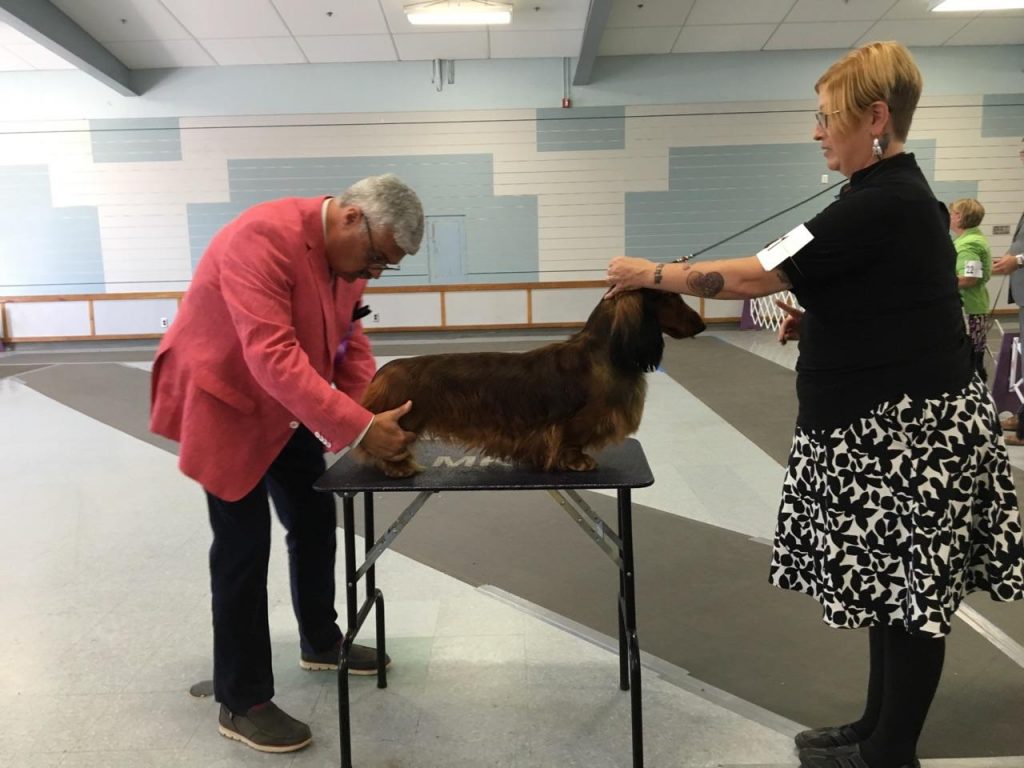
Of particular note to our conformation listeners, Ronchette made the invaluable point: You have to *train* the dog!
Train for Conformation
“Train the dog for conformation,” Ronchette said. “Expecting them to perform without training isn’t reasonable.”
She strongly recommends training our show dogs with positive reinforcement. “However a behavior is learned, the emotional state lives with the behavior.” In other words, if you hammer that puppy into a hand stack, it will *always* hate hand stacking.
Teach Stand First
Another important note from Ronchette is that a dog’s default behavior when we as handlers are nervous is to go to the behavior they learned first or know best. Thus, her recommendation is to teach “stand” as the dog’s first command.
“Every moment we are with them they are learning,” Ronchette said. “We just need to make a decision to reinforce (a behavior) or not.”
Listen on Pure Dog Talk
Listen to this great conversation with Laura and Vicki, possibly challenging some of your training ideas. And tune in again next week when they take it to the next level!
151- Otterhound Semen Bank|Saving Endangered Breeds|Joellen Gregory
Saving Endangered Breeds – Otterhound Reproduction Bank
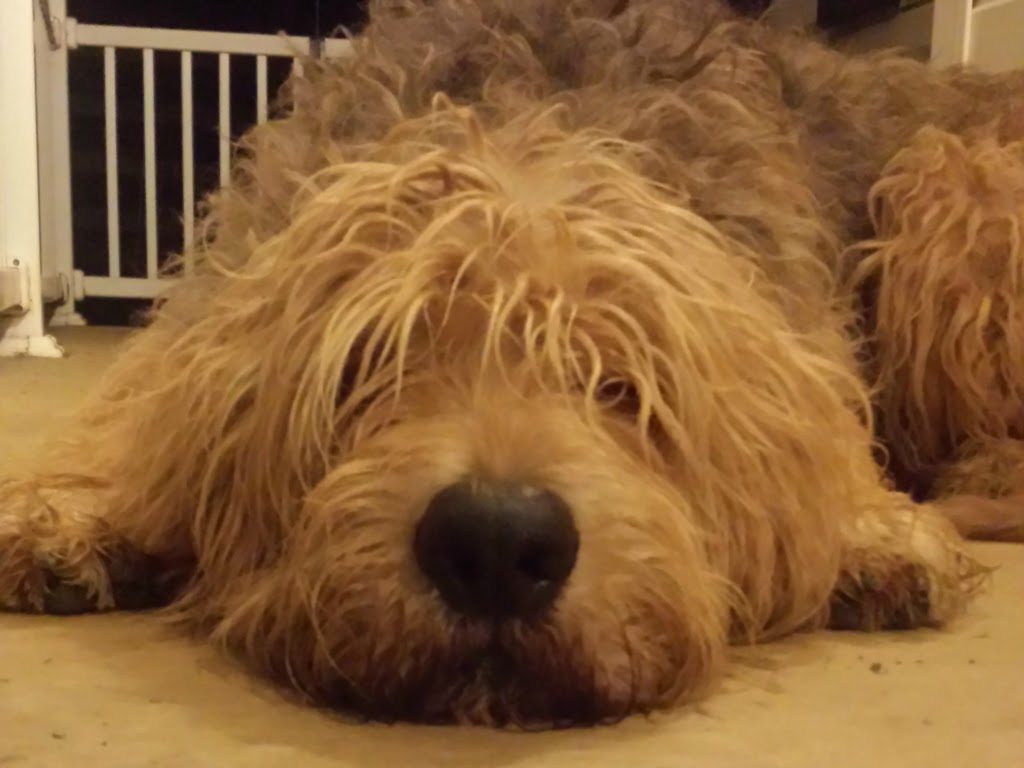
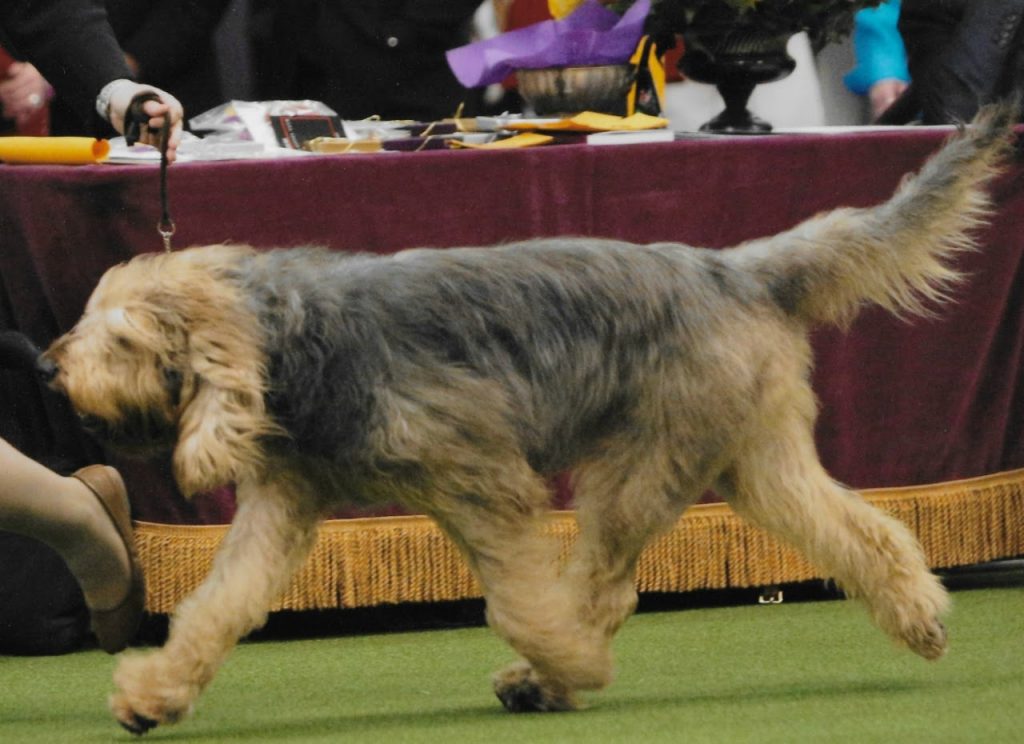
Otterhounds are outnumbered by Giant Pandas. There’s a number for you. And the Otterhound Club of America is doing something about it.
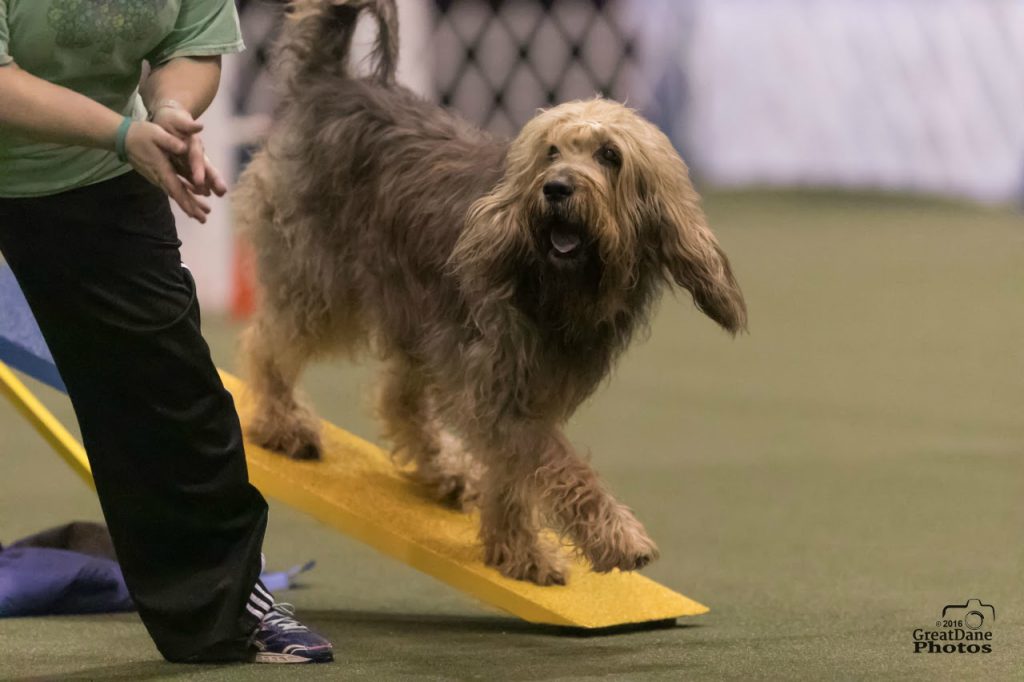
Joellen Gregory, DVM, is an Otterhound breeder, exhibitor and AKC Delegate from her national breed club. She is a member of the committee within the OCA which developed a groundbreaking Reproductive bank which will store semen and even frozen ovaries. The Bank was established in order to expand the possibilities for a breed with an estimated 800 dogs alive in the world.
“It has been quite a process,” Gregory said. “We realize we have an issue with the gene pool. We need more options to continue to have Otterhounds.”
Otterhound Reproduction Bank
The Otterhound Reproduction Bank began as a concept in 2009 but didn’t gain traction with the parent club members or the American Kennel Club, which at the time did not allow a corporation to own frozen semen. The committee disbanded for six years.
Gregory said that times are changing and when Dr. Carmen L. Battaglia spoke at an AKC Delegate’s meeting in 2016 about his concern regarding low number breeds, Gregory was there to speak up about this historic concept.
“The process was re-started by Betsy Conway, OCA president, in 2015,” Gregory said. “She founded the committee (within OCA) with five like-minded people who felt it was important to save our breed. The first step was to form a corporation.” The committee then came up with requirements for “deposits and withdrawals.”
“Then we needed to get the club members on board,” Gregory said. “It’s a different era than it was. More people have realized what a position our breed is in. It was easier to get support this time. It helped that we had rules worked out ahead of going to the club for support. The rules are very fair. No decisions are made by the bank. If your bitch qualifies, you get to use the semen.”
How It Works
The Otterhound Reproduction Bank rules enable an owner to donate “x” number of breedings. The rules encourage males who have CHIC numbers and would like to have semen from young dogs. But Gregory said, “We’ll take almost anybody.” The goal is to expand the available genetic material.
In order for a bitch owner to use semen from the bank, the bitch needs to be proven. “We need to know she can get pregnant and carry a litter to term before we release semen from the bank,” Gregory said.
One of the most exciting pieces of this new program is that it isn’t an “all boys club.”
Freezing Eggs
“We decided to call it a reproduction bank because we hope to be able to store ovaries or eggs at some point, depending on how the science develops,” Gregory said. “The only thing I know for sure is if we don’t freeze them they absolutely won’t be useful. We (potentially) would take eggs from a thawed ovary, inseminate and grow them … and put them into a dog…. It doesn’t have to be an Otterhound. We may not be able to do it now, but I see it for the future.”
After Gregory’s outreach to Battaglia at the 2016 Delegate’s meeting, AKC Board members supported the move and in February 2017, AKC approved the creation of a “parent club acknowledged semen bank.”
Gregory noted that the parent club doesn’t *approve* the semen bank, but needs to acknowledge it exists. And she added that the OHC and the Otterhound Reproduction Bank are happy to assist any other club interested in developing similar programs.
Listen Today on Pure Dog Talk
Listen today as Laura shares the excitement of this new program.
150 – The Dog Healers – a Novel by Mark Winik
The Dog Healers – Dogs Healing the Human Spirit
Mark Winik’s novel The Dog Healers tells the story of Carlos and Isabella and the art of Tibetan massage which brings healing to both dogs and humans. The book is part fact, part fiction; part love story and part adventure.

The Dog Healers by Mark Winik
The book’s message and passion are both powerful and persuasive. Throughout the novel, the reader encounters innumerable ways in which the human-canine bond literally heals all parties involved.
Inspiration in Argentina
A lifelong dog lover, Winik discovered the inspiration for his novel while visiting his wife’s family in Buenos Aires, Argentina.
“I was captivated by the dog walkers there. They walk 5 to 20 dogs at one time. It’s a profession. And I noticed people massaging the dogs. I wanted to talk with the dog walkers, but nobody spoke English,” Winik said. Finally, he was directed to Carlos, who was also called the dog healer.
“I ended up spending two and a half days walking through neighborhoods and going to the park with (Carlos),” Winik said. “I got to know him and his philosophy. His idea is that dogs heal humans in so many ways.”
Winik’s story is based on those days spent talking to Carlos. It shares Carlos’ vision of dog healing and the love of his life, “Isabella” in the novel. The ancient kum nye Tibetan massage technique described in the book is practiced on people around the world. Carlos’ application to dogs, and even a racehorse in the book, allows for greater energy flow and a sort of mutual healing.
The fictional novel talks about the dogs of Tibet including what Winik dubbed “chowstiffs.” Clearly Tibetan Mastiffs by the description, Winik’s book talks about the bond between the dogs and the monks of Tibet. One key character in the novel is a Tibetan sherpa, Jamyang, who befriends the young Isabella while guiding climbing parties in South America, foretelling her connection with animals.
Winik also describes a number of other breeds in the novel, including Dogos Argentino. Isabella uses her special skills to rehabilitate a Dogo in the book.
Currently in the miscellaneous class in AKC, Dogos are used as guard dogs in Argentina, where they were originally developed to work as big game hunting dogs. The breed has developed a very fierce reputation, particularly in Argentina, due to their work guarding very wealthy estates there.
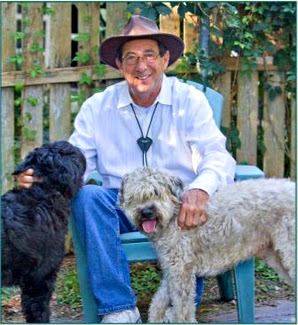
Mark Winik with Chickie and Paco
The Dog Healers Project
The dog healers project is Winik’s current passion. He is creating a documentary on therapy and service dogs with a message of how important dogs are in our lives.
“Dogs heal the human spirit and soul,” Winik said.
Listen today as Mark Winik joins Laura Reeves for an interview to talk about the profound bond we all share with our dogs.
149 – Pedigrees Produce Top Winners|Sue Huebner
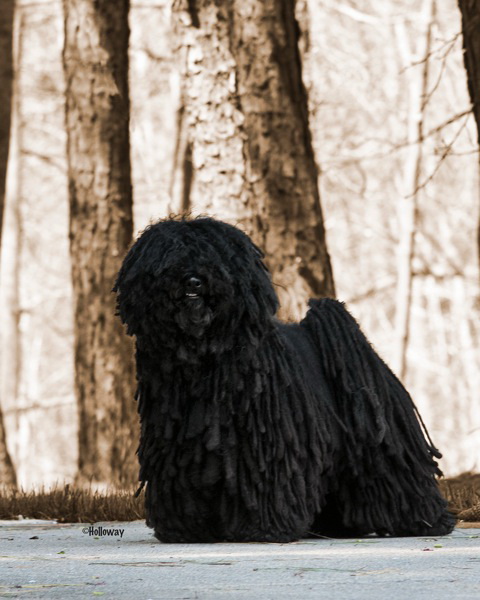
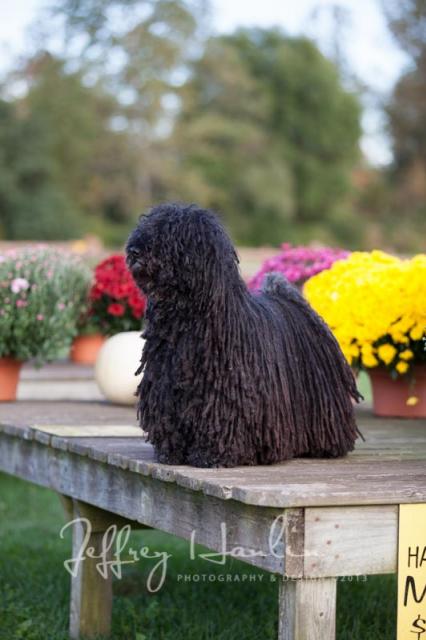
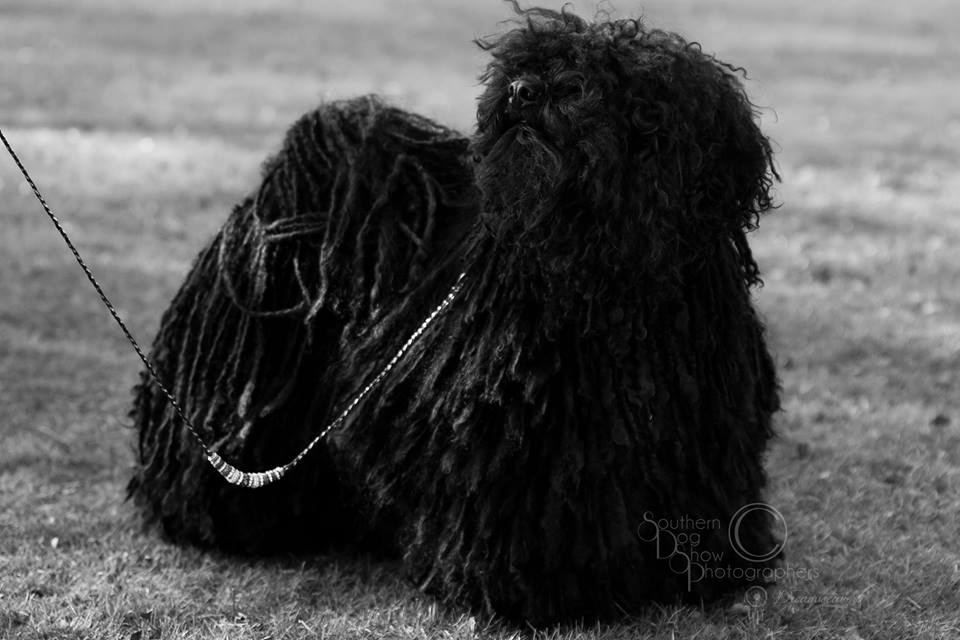
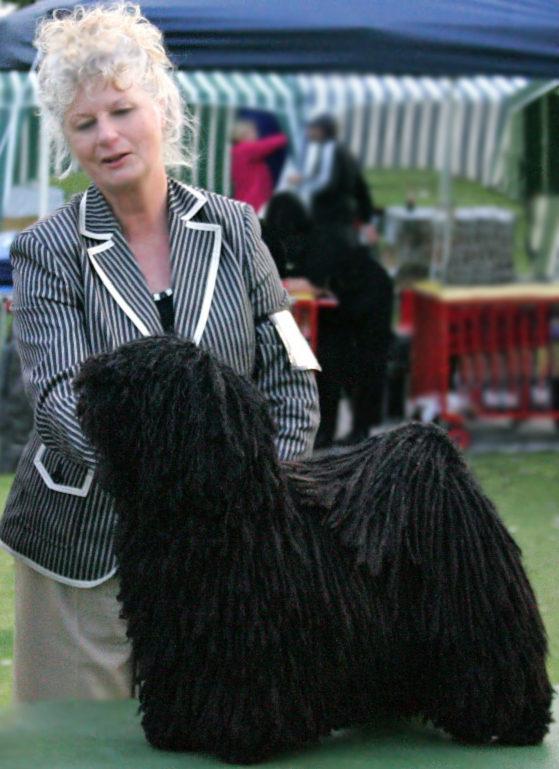
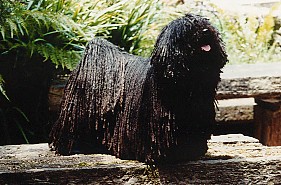
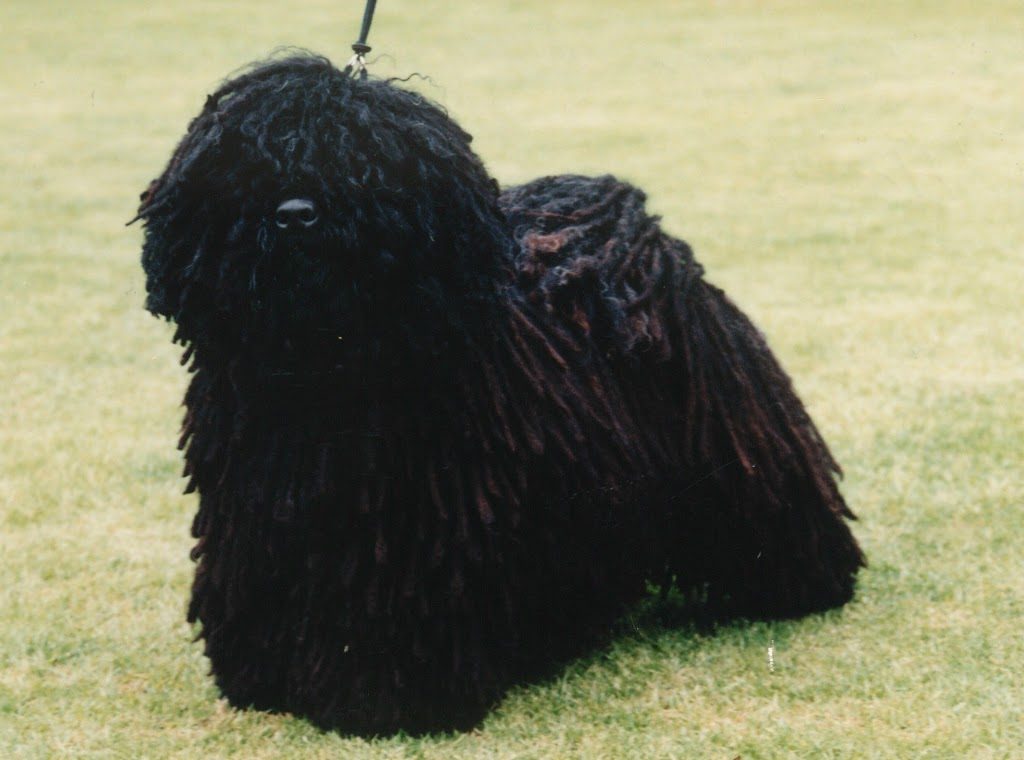
Pedigrees That Built Cordmaker Pulik
Sue Huebner of Cordmaker Pulik, shares how she built the pedigrees that consistently produce top winners, including Preston.
“Breeding dogs is as much about luck and trust and interacting with other people as it is about the dogs in front of you,” Huebner said.
Huebner describes a 40 year process that started with wanting a dog to show. This journey was not without bumps in the road and a lot of learning along the way.
In 1988, she leased a bitch on the recommendation of her mentor in Australia.
“(Moppet) was primarily UK bred, with a slight Swedish outcross on one side,” Huebner said. “She was a beautiful make and shape. I can see Moppet in almost every bitch we breed.”
Shortly after Huebner’s first breeding, a sister of Moppet’s was bred to the same sire and produced a blind puppy.
“At that time, I think I had too much knowledge and too little understanding,” Huebner said. She was worried about potential health consequences with her foundation bitch, so consulted with a veterinarian who evaluated the puppy as not having a genetic disorder, but the only way to really prove it was to do a “close mating.”
Huebner decided to heed this advice and bred a son from her first litter back to the dam as a rough test of the genetics. “We had no blind puppies,” Huebner said. “And so I understood inbreeding very early in my career.”
“I never really had the same barrier to inbreeding that others do (as a result),” Huebner said. “It can be a useful tool in certain situations.”
“At this stage, all I’m selecting is for my show dog,” Huebner said. She decided she needed to go see more dogs, so she attended the U.S. National to look at dogs from Ann Bowley’s Wallbanger kennel.
Her research led her to “draw up the pedigree I’d like. If I had my choice of dog, this is what I’d like its pedigree to look like,” Huebner said.
She proceeded to contact breeders asking if they had a dog with a pedigree similar to the one she created.
Bokar Artful Dodger, bred by Carolyn Nusbickel, was the dog Huebner selected. “(Today) he is the dominant sire in our kennel,” Huebner said.
“This dog clicked with the English lines I had,” Huebner said. “It was a full outcross, but it clicked.”
Breeding is Art, Science and Luck
Breeding is a little art, a little science and a little luck, Huebner notes she’s seen Dodger bred to other lines where it didn’t nick.
At this point, Huebner decided she didn’t want to waste time, “I wanted to get what I wanted quickly.” So she bred Dodger to two half sisters.
“One of the difficulties preservation breeders face, where close breedings are not condoned, where we’ve applied almost a human incestuousness measure against what we do with dogs,” Huebner noted. “It makes those close matings difficult. To accelerate quality has become more difficult.”
Huebner then bred Dodger back to one of his daughters.
“I was cementing what I want,” Huebner said. “(These breedings) are telling me genetically what I can get. I’ve always believed if you have constant outcross matings, you may prevent seeing the problems, but the problems are still there.”
Cordmaker Mississippi Mud
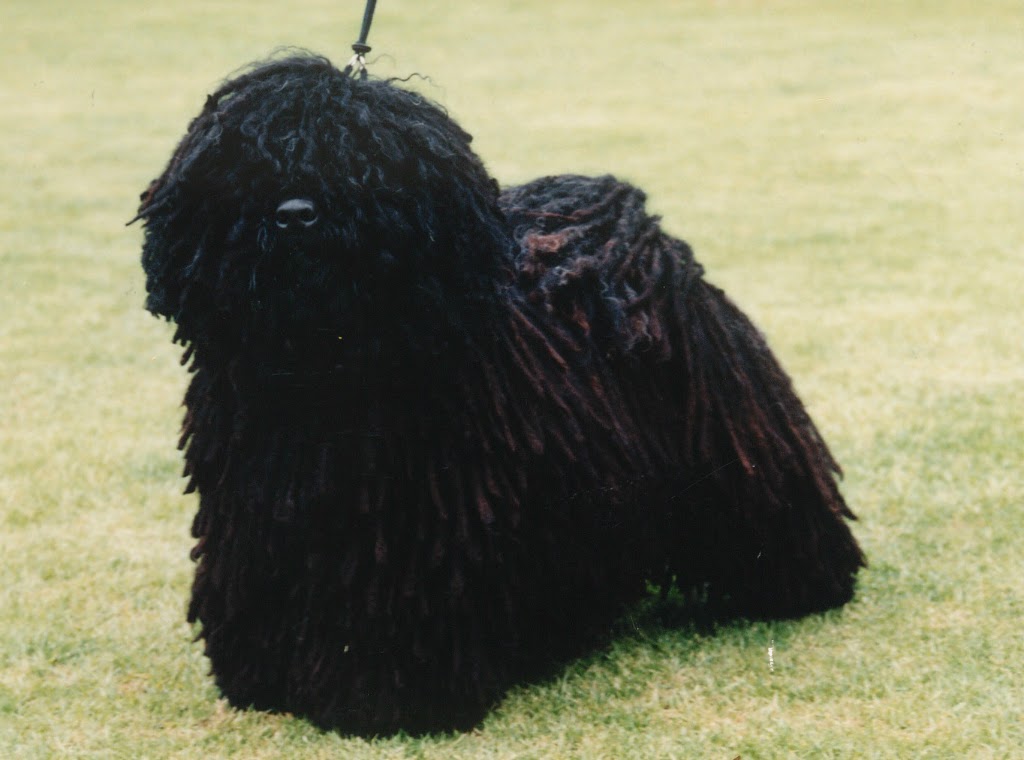
Cordmaker Mississippi Mud ‘AMISH’
One of Huebner’s most successful dogs was Cordmaker Mississippi Mud, “Amish,” a Dodger son. Amish was bred to an outcross bitch with predominately English lines, allowing Huebner to begin the development of two separate lines, one American and one English, allowing her to cross one to the other.
Listeners might remember a discussion on this topic with AKC judge and renowned Corgi breeder Bill Shelton. For folks who missed it, listen here.
“I had a simple objective,” Huebner said. “In every litter I wanted a higher percentage of dogs I believed were of true quality. … I focused in on a particular dog, a type, a way of evaluating what I wanted.”
Top Winning is not Top Producing
Huebner noted that relying on the dog show exclusively to evaluate your breeding stock means “you’re standing on moving sand.”
“When people start breeding they think ‘if I go to the dog that’s won the most then I must be guaranteed that that dog is going to work for me.’ I don’t think you have that guarantee at all. All you have is a dog that’s won a lot,” Huebner said.
“People ask me what is the secret of your success…. it depends how you measure success. I still think I have a long way to go in the breeding program. Until I have five puppies in the litter and they all get 8 of 10 then I might say aha.”
CORDMAKER PULIS THAT TRACE SOME OF THE BREEDING PROGRAM
AMISH a son of Bokar Artful Dodger (my first import semen from the USA). Sire of Cordmaker Field of dreams ‘Conrad’ ranked # 3 All Breeds in the USA.
PHILBY also a son of Bokar Artful Dodger mated to a UK line produced Denzel.
DENZEL sired by Philby mated to a UK bitch who carried some of the top Puli lines in the UK.
CHARLOTTE a daughter of Bokar Artful Dodger out of a UK imported bitch. Litter sister to Camila and Ziggy. Dam of Preston and Paddy.
CAMILLA a litter sister of Charlotte and Ziggy.
ZIGGY a brother to Charlotte and Camilla. Sire of our latest litter of puppies out of Cordmaker Mellow Yellow ‘Saffi’ (full sister to Preston and Paddy).
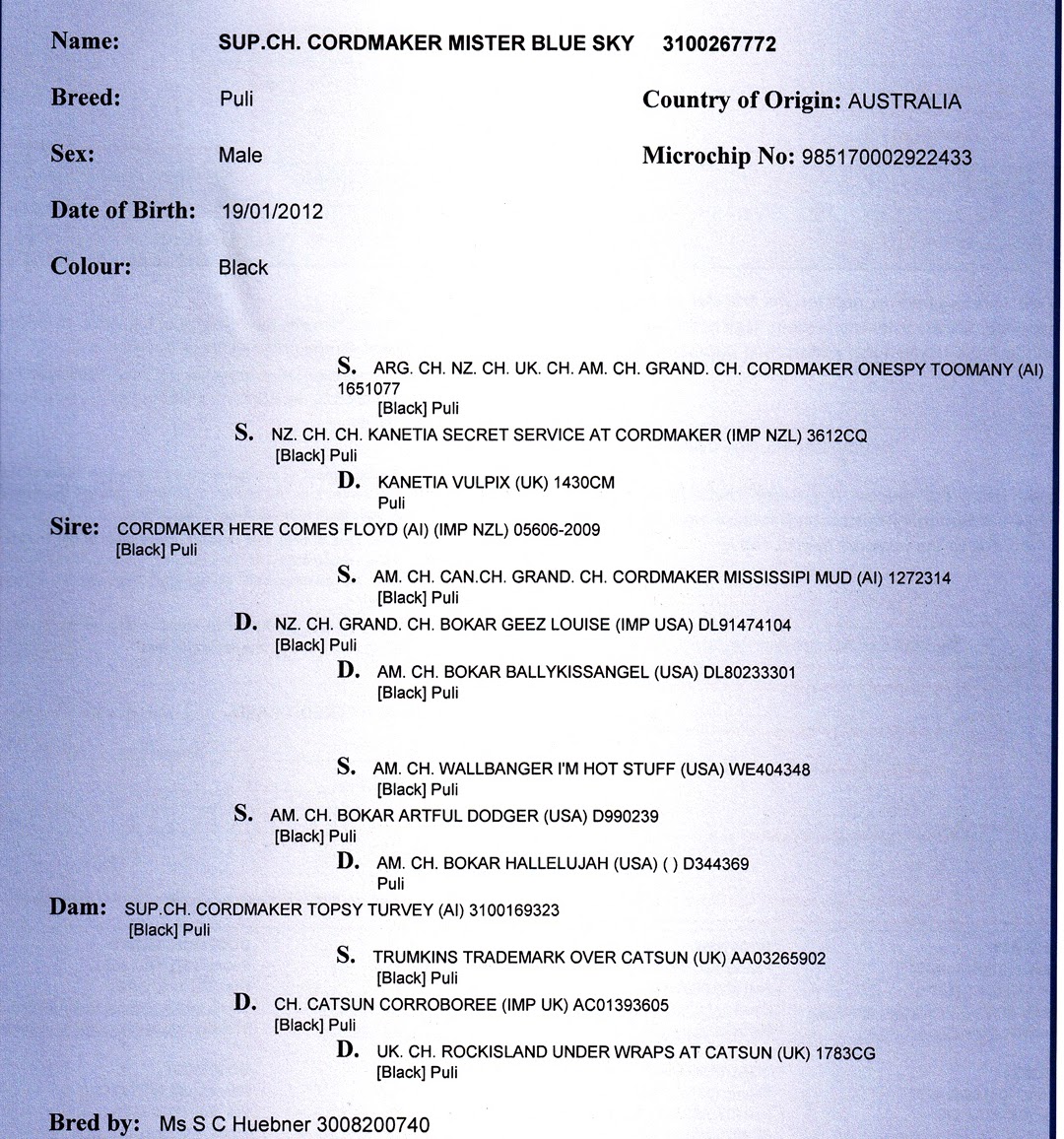
PRESTON a son of Charlotte and full brother to Paddy and Saffi (pedigree attached). Denzel is his grandsire.
BUDDY imported from the UK to cement the UK lines we had introduced in the Charlotte, Camilla, Ziggy litter. Mated to a Denzel daughter, he produced our current young show team being exhibited in Australia, New Zealand and the USA (pedigree attached).
148 – Sue Huebner on Breeding Basics|Cordmaker Pulik
Sue Huebner and Cordmaker Pulik
Sue Huebner is the legendary breeder of Cordmaker Pulik, including Preston, the winner of the 2016 AKC National Championship.
In 1978, Sue Huebner and her husband were looking for a family dog. They researched carefully and chose the Puli, acquiring their first dog from a litter near their home in Melbourne, Australia. Little did the Huebners know that they had never seen a fully coated Puli until after they acquired their new puppy.
Huebner laughs about that now, noting all of the ways people have to research their new dog these days.
“There is no excuse for ignorance (today),” Huebner observed. “Accessing information, pictures, videos of dogs working is easy. I’m still growing in understanding the breed standard 40 years later. I love the research.”
The surprise of a corded dog coated to the ground notwithstanding, the Huebners stuck with the breed, attending obedience classes and competition. Her first conformation competition was sparked when an acquaintance told her that first dog would not be “good enough” to show.
“He wasn’t a great show dog,” Huebner said. “But he finished his championship. He was a good learning dog for me.”
Shortly thereafter, she bought two more Pulik, keeping the better of the two after “running them on” in order to make a decision after they had matured. That dog “didn’t have what I consider a good temperament. Because he was difficult, I had to learn. I didn’t breed from him. It’s why temperament became paramount for me,” Huebner said.
Temperament is Job #1
She strongly believes a dog’s temperament is the result of both nature and nurture.
“As a breeder you need to keep certain key things in your mind. It may not be the most beautiful dog you have. But if you have a very clear goal, temperament must always come first. Then as time goes on, I believe, you are now genetically breeding temperament.”
Huebner also encourages new breeders to understand that family homes are a critical part of a breeding program. “Not because they are necessarily going to breed those animals. You need companion homes. If you produce five puppies in a litter and only one suits the goal you set at the time, there are four others there (who need homes).”
Preservation breeding is a primary focus for Huebner. She calls it a “focus we desperately need to have.”
But she describes a “tension” between preserving the “historically correct temperament” which in some breeds is going to be very different than the societal pressure to have dogs which are all “like Golden Retrievers.”
“Does preservation breeding include temperament when temperament seriously impacted on the purpose of a breed. Or do we have to take account of the fact that our dogs go into family homes (that may not be suited to that temperament),” Huebner asked rhetorically.
Huebner’s advice for breeders whose breed’s historically correct temperament may or may not fit into today’s society?
“I do think the first step is awareness (of the breed’s correct temperament),” Huebner said. “Understand it. Experience it. We have a strategy in place, particularly with dogs going into companion homes. The amount of time we spend educating them before they get the dog is significant. We try to help them understand they’ve bought his temperament, because that’s what you have to live with. And we have life long involvement with our companion families.”
Successful assessment and selection of puppies, in terms of which dogs go to which homes, Huebner suggested, should be a clear process of really watching them as they develop.
“I want you to sit and I want you to watch,” Huebner said. “I want you to do what we ask judges to do. Develop an eye. So that when you’re looking at those puppies and your eye keeps going to one puppy,” one understands it is a combination of temperament and structure that makes the picture.
“All of those puppies are perfect for something,” Huebner noted. “It’s only the purpose that makes them imperfect. Our purpose is to breed a dog with the genetics we want to produce a beautiful dog that will enhance or further the breed. Every one of those little puppies is perfect for something.”
Developing an “Eye”
Creating an identifiable family of dogs goes back to developing an eye, Hubner observed.
“You need to research and intimately understand the breed,” she said. “It’s not just the simplistic understanding of a breed standard.”
Getting started with her breeding program after owning a couple “starter” dogs, Huebner said, “I basically looked at dogs that I loved. I did a lot of research and came up with specific kennels in various countries. I was lucky enough to get to visit them. The most influential kennel behind Cordmaker is Wallbanger. I loved the breeding program behind the dogs. I wanted a pedigree that looked like this for my first outcross.”
Breeding Programs and Dog Shows
Dog shows, Huebner noted, will test a breeding program, but one can’t depend on that exclusively. New folks, she added, will rely on the results of the dog show because it’s the only information they have.
“The danger (of dog shows) is, it’s not about the winning dog,” Huebner said. “That’s not the way the breeding program works. It’s not about that you’ve done well. In the end, the champion part doesn’t matter. The number one all breed doesn’t matter. It’s the capacity of having dogs that can carry the gene pool through and continue to produce the type that you have in your mind’s eye that’s come from research and understanding the breed.
“If you want to be called a preservation breeder, you have to earn the title. The title will be about how you breed.”
Breeding Basics Part 1 and Pedigrees Part 2
Listen to Sue and Laura talk breeding basics today and tune in on Monday when they continue the discussion of building great pedigrees.

147 – Lori Wells and Piglet – Catahoula Leopard Dog|Search and Rescue
Lori Wells and Piglet – Heroes in Tragedy
Lori Wells and Piglet were winners of the AKC Humane Fund Award for Canine Excellence in the Search and Rescue category. They were honored at the AKC National Championship in Orlando, Fla. last month.
Volunteer and Rare Breed Dog Provide Families Closure in Tragedies
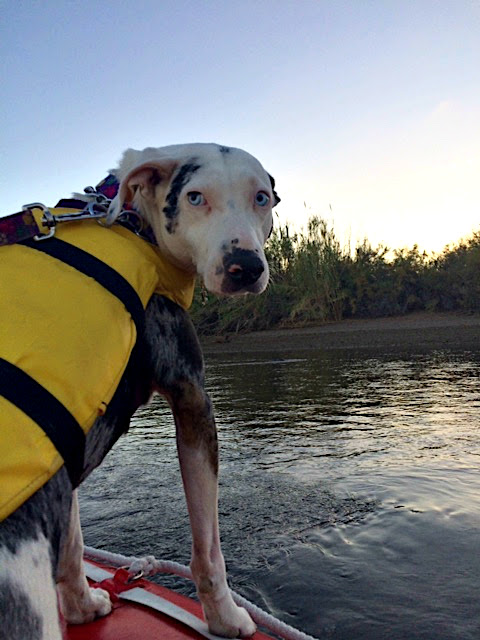
Piglet is a 7 year old Catahoula Leopard Dog trained and certified to discover human remains, one of fewer than a half-dozen of her breed working in Search and Rescue.
Wells said that the dogs feel the intensity of a search that ends with sorrow.
“Absolutely. They know. They’re very intuitive,” Wells observed, while Piglet cuddled closer to her handler, responding to Wells’ emotion. “There’s such a relationship and bond you make and build with these guys through the training. You’re in tune with each other. These are our companions. Our family.”
Family Bonds in Search and Rescue
Wells and her husband met doing Search and Rescue. They work with an entirely volunteer organization that will deploy wherever their help is needed. Working to locate human remains is a very hard and emotional aspect of the Search and Rescue job, but “it’s a fabulous answer for a family that’s grieving,” Wells said.
“When they told me we won (the ACE award), I was overwhelmed,” Wells said. “It’s such a huge honor to be recognized.”
Piglet the Catahoula Leopard Dog
Catahoula Leopard Dogs may not be common in Search and Rescue work, but Wells said their hunt drive makes them well suited to the task.
“(Catahoulas) are the state dog of Louisiana,” Wells noted. “They were bred to herd and hunt. American Indians developed the breed in the early 1800s. Their heritage includes Beauceron, a little bit of hound dog, Spanish mastiff. And red wolf.
“Any good search dog has to have phenomenal hunt drive. Piglet comes from cow dog lines. There are cow dogs or hog dogs. Cow dogs are more settled, sensible minded.”
Wells added that the breed’s stamina helps them succeed in Search and Rescue where multiple, grueling three to four hour shifts are normal.
Lori Wells and Piglet’s Success as a Team
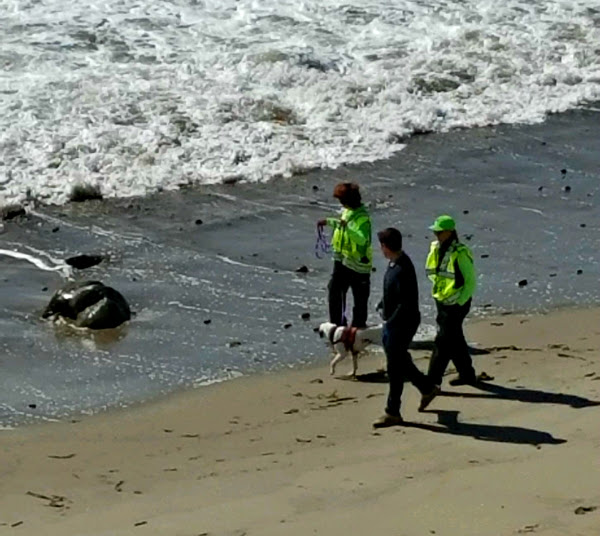
Piglet has successfully located the deceased victims of air crashes and drownings. In one case finding a victim in California underwater after eight days of searching by rescue and law enforcement personnel.
“It takes a lot of blood sweat and tears (to train the dogs for the work),” Wells said. “A lot of hard work. A lot of time. It’s expensive with the mileage driven. But it’s a bond with your dog. There are a lot of books you can read (to learn how to train), but there’s nothing like doing it.”
Training a Search and Rescue Dog
Just like anything our dogs do for us, search and rescue dogs work for a reward. For some dogs it is toy drive, so they want to play tug or ball.
“For mine,” Wells said, “I always trained them to want mommy’s love. They are so happy they’ve made me happy, so just a whole bunch of love. Because I always have that. Handlers forget treats. I’ve always got love. That’s how i do it.”
Wells has trained five trailing dogs for Search and Rescue, but Piglet is the first she’s trained for locating human remains.
Lori Wells and Bloodhounds
Lori also trains Bloodhounds for Search and Rescue.
“When (Bloodhounds) are on scent, they’re on scent,” Wells noted wryly. “They go. You better just keep up. Just that go forward. It can get them in trouble because they don’t know their limitations. They don’t know to stop and take a break. We have to make sure they do that, give them some water and chill out. And then go back. They go right back. There’s no harm to stopping them along that trail. They don’t forget.”
Wells trains her Bloodhounds on trails that are 7 to 10 days old. This is compared, for example, to tracking tests where the track is aged for a few hours. “Our training is all ages of trails, all surfaces, all weather conditions,” Wells said. “So we have a gauge to know how a dog will respond in all scenarios. We need to know how they work those scenarios and know what they’re telling us.”
Donate or Learn More at Search Dogs 24/7
FACTS ABOUT SEARCH AND RESCUE FROM SEARCH 24/7
Search Dogs 24/7 Search and Rescue Dog Teams
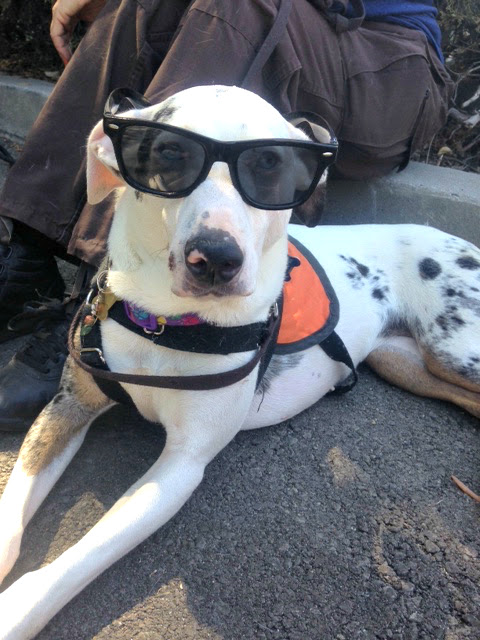
Wilderness – Urban – Cadaver – Water – Disaster
Search dogs 27/7 has a group of volunteers with specially trained dogs dedicated to assisting in the search for missing persons. Dog Teams are available 24 hours a day, 365 days a year to respond to local, state, and federal law enforcement as well as other public service agency requests.
Search Dogs 24/7 Dog Teams are a volunteer resource. Members incur all costs including mileage, equipment, calling service, and dog expenses. K-9 Team members take time off work to participate in searches and training, drive thousands of miles a year, and spend 50 to 100 hours per month for training and searches.
Search Dogs 24/7 K-9’s and the California Office of Emergency Service (CalOES)
Search Dogs 24/7 K-9 Teams are not a direct resource to CalOES, however, each team is certified to meet or exceed CalOES Standards by one of several outside agencies. We do NOT self-certify.
Relationship with local Search and Rescue units
Some Search Dogs 24/7 dog teams are also volunteer members of other search and rescue groups for local, Statewide, and Federal responses.
When search dogs can be helpful
- An overdue hiker or hunter in a wilderness area
- An Alzheimer’s patient who has wandered away
- A missing child
- A drowning victim in a lake
- An area where there may be human remains buried
- A victim buried in rubble or an avalanche
- A missing person where suicide is suspected
- Persons suspected of being in a collapsed structure
- To confirm that an article was worn by a subject
- To confirm that a subject was in a specific vehicle
- To locate human remains after a fire
What Search Dogs 24/7 dog teams can do
All Search Dog 24/7 handlers initially train a dog in one of the two disciplines: trailing or area search.
Trailing dogs are trained to follow the path that a lost person has taken. Similar to traditional “tracking” dogs, these dogs require a properly preserved scent guide (i.e., a scent article like a sock or glove) and are not distracted by other people in the area. These dogs work on long leashes. Trailing dogs most frequently work trails that are several days old.
Area Search dogs are trained to find any human scent in the area. Although not required, scent guides can be of assistance to area search dogs. Area search dogs work most frequently off-leash and can cover large areas.
After certifying in one of these disciplines, teams may certify in any combination of the following specialties:
Cadaver dogs are trained in the location of human decomposition: tissue, blood, bones etc.
Water search dogs trained to locate human decomposition which emanates from under the water. These dogs work along the shore and in boats to locate the scent as it rises through the water.
Disaster dogs are trained to locate victims of many natural disasters that may be buried in rubble from a collapsed buildings. This type of dog is most often used after earthquakes.
Search Dogs 24/7 handler training
Search Dog 24/7 dog handlers represent a variety of backgrounds. All Search Dog 24/7 dog handlers have a common dedication to helping people and expertise in the use of search dogs.
All Search Dog 24/7 Mission Ready Handlers have been involved with Search & Rescue a minimum of two to three years; many have ten or more years of search and rescue experience.
Dog handlers are continually updating their skills and knowledge and most participate in 50 to 100 hours or more of training and missions per month. The minimum training requirements for all Search Dog 24/7 handlers include:
- Advanced First Aid
- CPR
- Map and Compass navigation
- Survival
- Radio communications
- Helicopter operations
- Crime Scene Preservation
- Mantracking
- Fitness
Most handlers have additional training in areas such as canine first aid, technical rescue, and amateur radio.
Search Dogs 24/7 dog training
Search Dog 24/7 dogs are extremely socialized animals and are very different than most patrol K-9s. Our dogs represent a wide variety of purebred and mixed breeds. Search Dogs 24/7 dogs consistently train in various weather conditions, day or night, busy urban and rugged terrain, so they can effectively search in almost any environment they are placed in. Minimum dog training requirements include socialization, obedience, and helicopter orientation. As a team, the dog and handler must pass a series of search tests to become “mission-ready”. On average, it takes two to three years to achieve this. Teams must participate in ongoing training throughout the year as well as re-certifications.
146 – Megan Leavey, K9 Rex and Bringing Home K9 Heroes
Megan Leavey and Marine K9 Rex
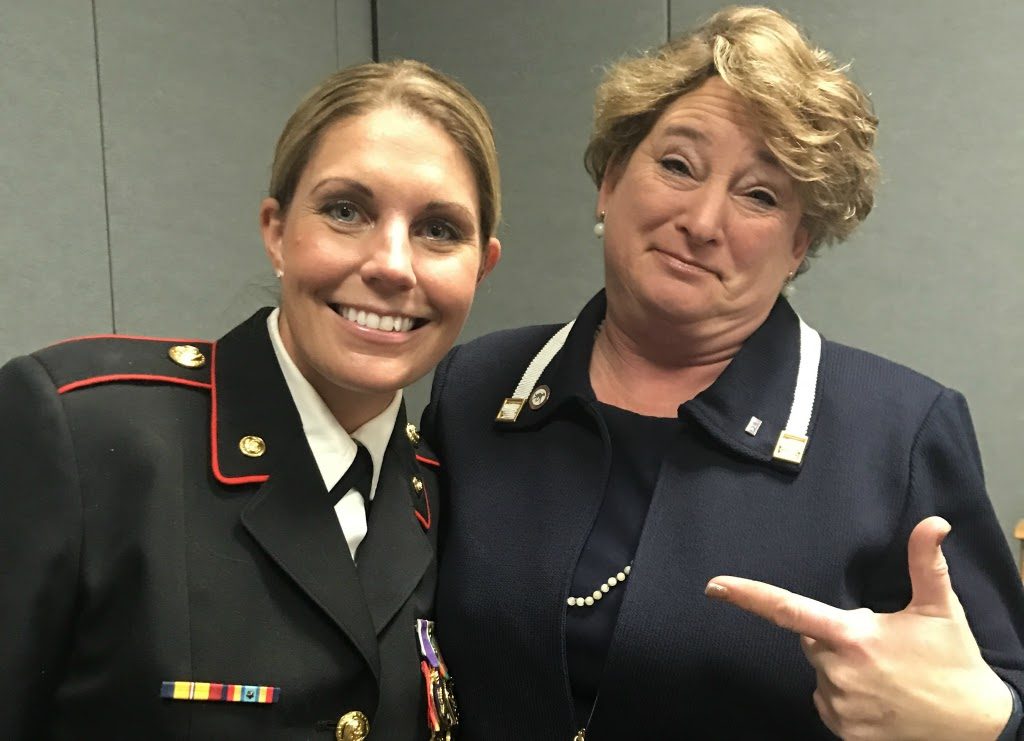
Megan Leavey was a Marine K9 handler whose life and battle to have her working dog, Rex, retire with her were the topic of a movie, Megan Leavey, released in 2017.
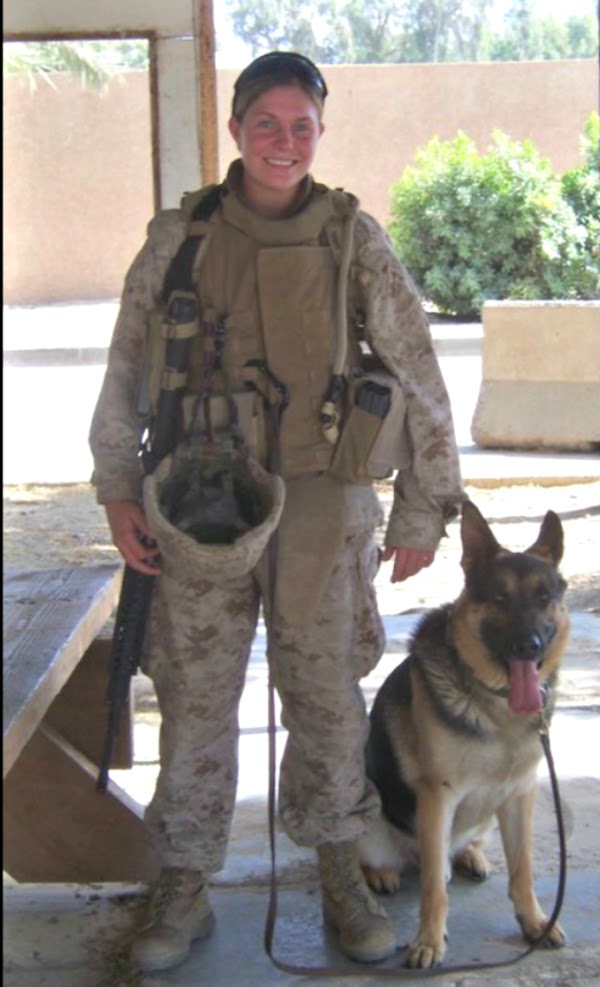
Megan and Rex
Leavey made a special and powerful connection with the military working dog who saved her own and thousands of other lives in Iraq. While respecting that the K9 is a warrior in his own right, Leavey knew her dog, Rex, wouldn’t understand why she left without him.
She grew up with dogs, a total animal lover. “I had no idea there even was a K9 program until I was in military police school,” Leavey said. “I had to finish at the top of my class and be selected to go to K9 school.”
“I was new marine when I got handed this dog. Rex had an attitude. When we are first assigned a dog, we spend two weeks just rapport training. You are the only one feeding the dog, brushing him. You go for walks and play. You work up to getting to know mannerisms. When they see you, they associate that with a positive. The basic training is already done, becoming a team is what’s important.”
Leavey and Rex Survive an IED
Leavey and Rex were shipped to Iraq twice. On the last deployment, they survived an IED explosion on the dusty roads of Ramadi and spent their recuperation and physical therapy recovery together.
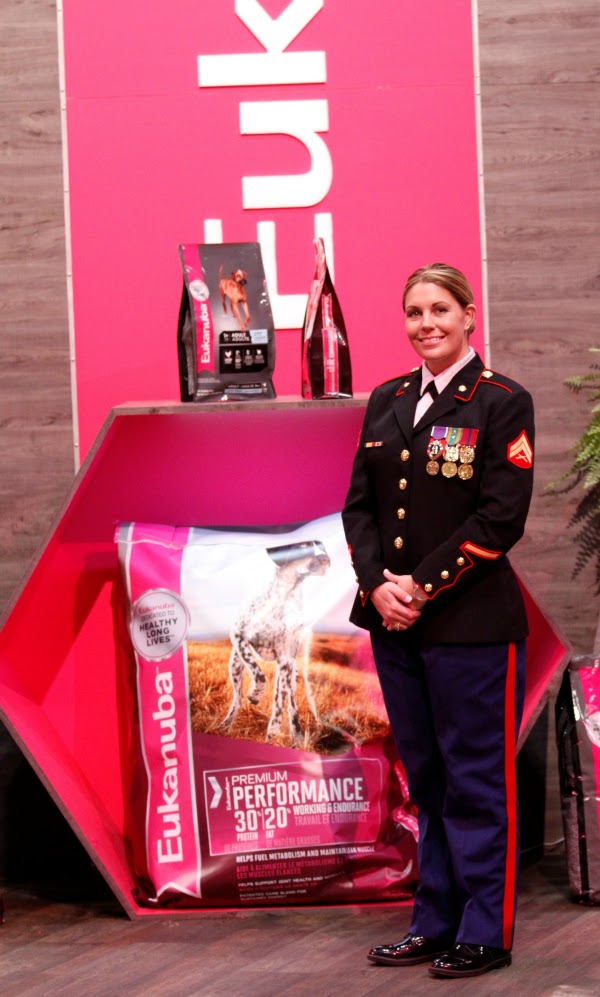
Megan Leavey @ Eukanuba
“Rex was a one person dog,” Leavey said. “Nobody else could have done that (physical therapy) work.”
A dual purpose dog in military parlance, Rex was both a patrol and explosives detection dog. “Rex was super aggressive,” Leavey said. “Right in his vet record it said in giant letters not adoptable… There’s a process to adopt military working dogs and I understood that.”
Parting Ways with Rex
While Leavey’s military contract was up after her recovery, Rex’s wasn’t. He continued working stateside after she returned home to New York state.
“He went through 12 different handlers after me,” Leavey said. “I had such guilt leaving him behind. You can’t explain to a dog that these are the rules. It haunted me every day.”
Leavey kept in touch with her friends in the K9 unit for years. “They weren’t his biggest fans,” she noted wryly. “Nobody bonded with him like I did. I kept hoping every day they’d change his classification.”
The Battle to Save Rex
“I finally got a call from a marine at the K9 section. Rex, now 11 years old, was going to be retired. My friend told me, ‘If you’re going to try and adopt him, get on it.’ Any day Rex could be put down. He was old and sick.”
Leavey went straight to her Veteran’s representative, who took her story to New York Senator Chuck Schumer. The Senator released her plea to the press. The publicity greased the wheels of government and helped Leavey cut through the red tape to have Rex retired with her.
“When he arrived, I just wanted to spend time with him,” Leavey said. “Getting him back really helped me close wounds, work on myself, be at peace with a lot of things.”
For a tough, working K9, Rex settled right in to civilian life with Leavey.
“From the moment I brought him home, he jumped right on the couch. He left the cats alone after getting swatted on the nose. He got along with my other working dog. He got to swim in a pool. See snow. Sleep on a bed and have all the toys and treats he wanted. I had a great eight months with him. I was so grateful that the process was expedited. If I waited any longer, we wouldn’t have had that time.”
Listen Today on Pure Dog Talk
Listen to more of Laura and Megan, including Megan’s observations about her first dog show, on today’s podcast.
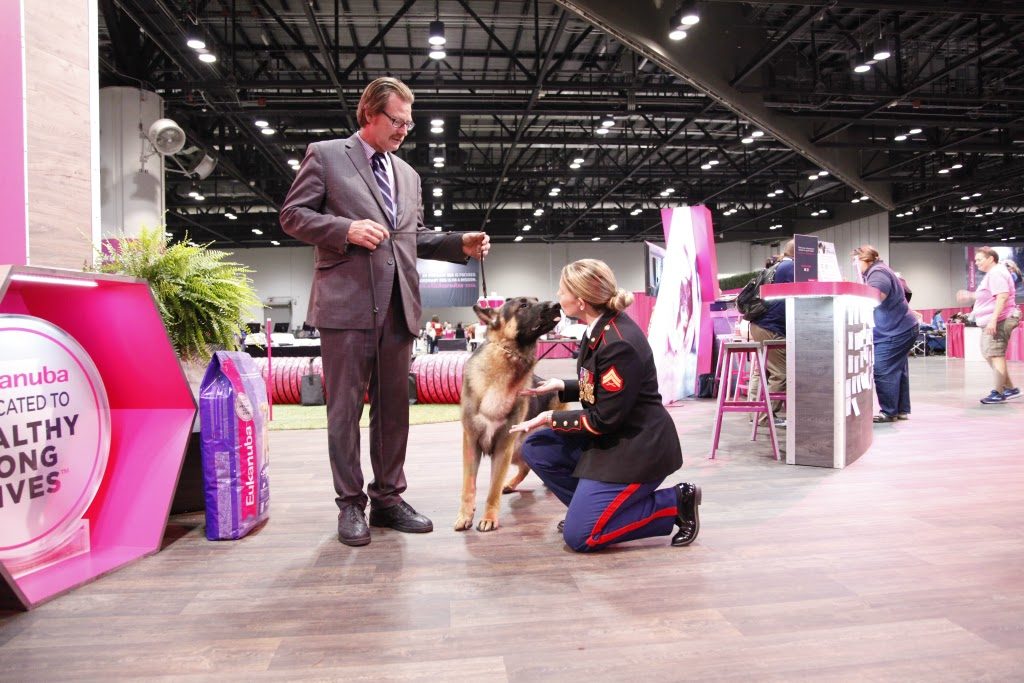
145 – Pat Laurans: NOHS Best in Show|AKC National Championship
Pat Laurans: On Judging NOHS Best in Show
Pat Laurans, AKC delegate from the German Wirehaired Pointer Club of America, was selected to judge Best in Show for the AKC National Championship National Owner-Handled Series in Orlando, Fla. Dec. 15, 2017.
For Pat Laurans, the dogs always come first. “Love of the dogs comes first,” Laurans said. “The people in the sport become our family due to our shared love of dogs.”
“It’s important to understand that 80 percent of dogs exhibited in AKC shows are shown by the owner,” Laurans noted. “AKC started (NOHS) to celebrate the dedication of Owner-Handled exhibits throughout the country. The top 10 in each breed is invited the national championship show.”
705 NOHS Competitors
Laurans made a point of defining the eligibility of the NOHS and noted that the year’s final competition in Orlando started with 705 competitors from 191 breeds/varieties.
“This shows the enthusiasm of owner handled competitors,” Laurans said. “The bond between dog and handler is something you can see. You realize the devotion, love and caring and the work they’ve done to reach this level.”
The Seven Group Winners Critiqued
Laurans graciously shared her articulate, detailed critique of all seven group winners in her Best in Show lineup with us at Pure Dog Talk.
The Winner – Bearded Collie
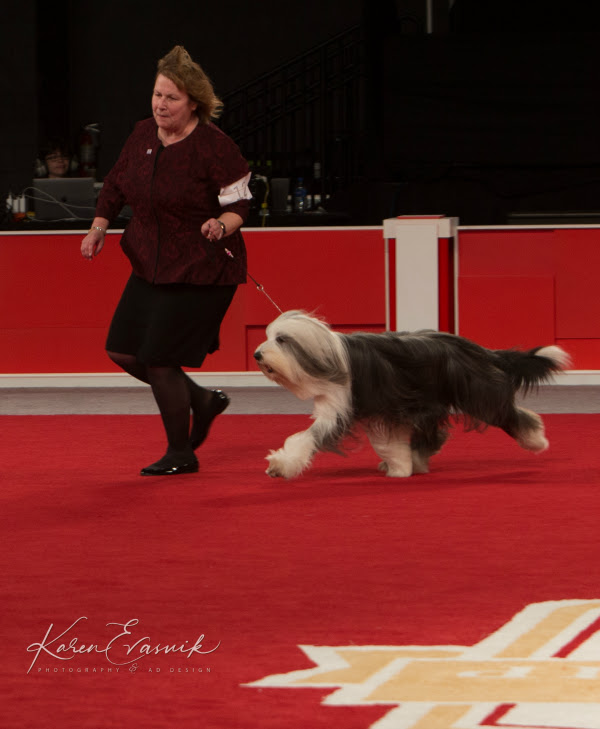
“The winner (Bearded Collie) was an example, to me, of a dog that could do the work the breed was meant to do,” Laurans said. “That would be able to work all day because of the correct outline, angulation and balance. And that moved around the ring effortlessly. … We aren’t judging handlers. We’re judging the dogs. This Beardie was, to me, of such outstanding quality that she was very deserving of NOHS BIS.”
Take a minute to listen to Pat and Laura talk about the Bred By Exhibitor competition at the AKCNC and the importance of a mentorship that spans more than 20 years.
And if you missed it, go back and pick up Pat’s interview about the critical role of the AKC Delegate body and what, exactly, these important members of the fancy do for you.
Huge thanks to Pure Dog Talk supporter Karen Evasuik for sharing her gorgeous photos of this important event. Check out all of her beautiful candids from the entire week in Orlando here.
Meanwhile, remember to tune in to Animal Planet tonight for all of the great coverage from the AKC National Championship presented by Royal Canin.
Allison Foley’s Tip of the Week – International Shows
Allison and Laura talk about International Shows, qualifying for competitions, and differences between AKC and CKC.
144 – Stars in Orlando|Jason Taylor and Jerry O’Connell
Jason Taylor and Jerry O’Connell – Stars in Orlando
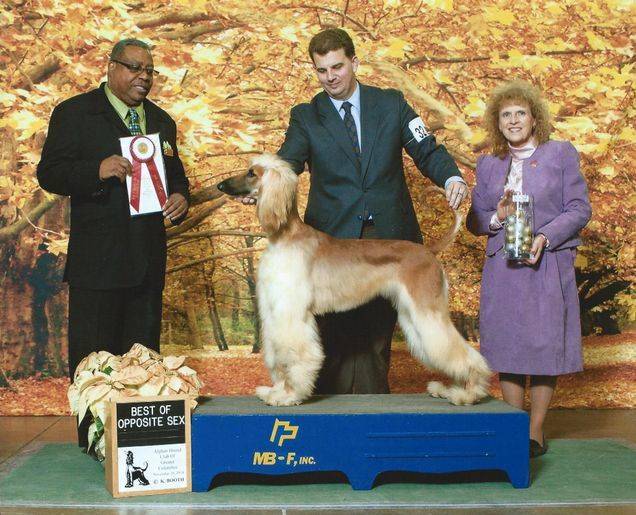
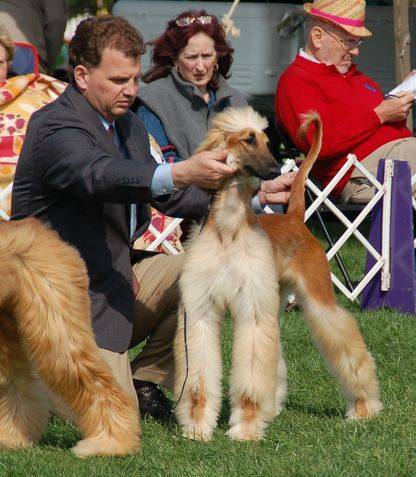
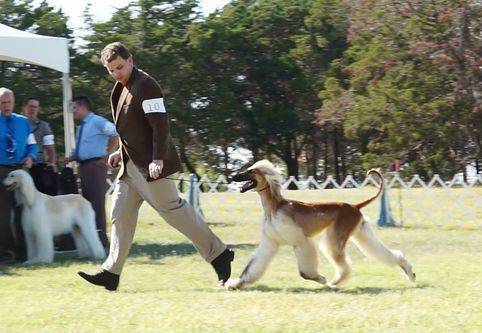
Jason Taylor is the face you rarely see behind the scenes of the AKC National Championship presented by Royal Canin. Taylor, an Afghan Hound breeder who worked for Eukanuba before the show even existed, is a constant through the year’s 18 year history.
“I think the thing we got right early on,” Taylor said, “was the focus on celebrating breeds and breeders. It’s why we have the Bred By Exhibitor competition that continues to today. The other thing is, there are no tiny rings at the AKC National Championship. We believe you need to be able to see dogs move. At least for this show, this is the way it’s gonna be.”
Assistant Show Chairman – Jason Taylor
Taylor’s official title is Assistant Show Chairman and National PRO Sales Director for Royal Canin. He also is the force behind this year’s hugely successful roll out of the puppy/junior sweepstakes event on the Friday of the National Championship events weekend.
“We liked the idea of introducing a moment celebrating the future stars,” Taylor said. “When I sat down and drafted the event, working with Gina DiNardo, we thought if we could get 500 puppies it would be a success. It was beyond any dream that we got 1200 entries!”
Taylor admits the team had concerns, with a focus on dogs first, that the “big, busy week” would overwhelm the young dogs. But he notes that exhibitors were mindful of the puppies’ needs and careful with them.
The wild schedule of that Friday in the weekend is one Taylor also went into aware of the potential issues. “But we think of these as good problems to have,” Taylor said, observing the record-breaking entry for the event. Friday features the National Owner-Handled Series, 30 specialties, including several nationals and two group shows. Adding the Puppy/Junior event was additional pressure on the schedule.
“On paper it looked like conflicts,” Taylor said. He even joked about the building-wide “brown out” that effectively juggled the schedule enough to squeak through with fewer head to head conflicts than expected. “We learned a lot,” Taylor said. “There are some tweaks we can make to relieve the schedule.”
Taylor’s Wisdom for Show-Giving Clubs
And, just for Pure Dog Talk listeners, Taylor offered the benefit of his wisdom as applicable to all show-giving clubs.
“The AKC National Championship is unique,” Taylor observed. “But the principles are the same. You have to concentrate on revenue, but it can’t solely be from entries. Clubs have to get creative and think outside the box.
“And they need to be absolutely maniacal about expenses. Make sure the money you spend is in the right places. That it’s going to show up.
“Clubs need to generate awareness. Too many clubs don’t know how. There are newspapers, blogs, podcasts. There are individuals in every market who are into dog things. Facebook pages are critical. Clubs need to reach out to the community. Even if folks are not dog show people, they’ll come out for dog stuff. The more people who attend a show, the happier the vendors are and so on.
“Dog shows are hard (for the general public). Most of the activity is at 8 a.m. and slows down through the day. For most families, their day happens in the opposite way. Having things for people to do, to get involved with, is vital.”
Jerry O’Connell Co-Host’s on Animal Planet
After our talk with Taylor, Laura had a few minutes to catch up with the show’s newest co-host, Jerry O’Connell, known for his work on the film Stand By Me and Crossing Jordan.
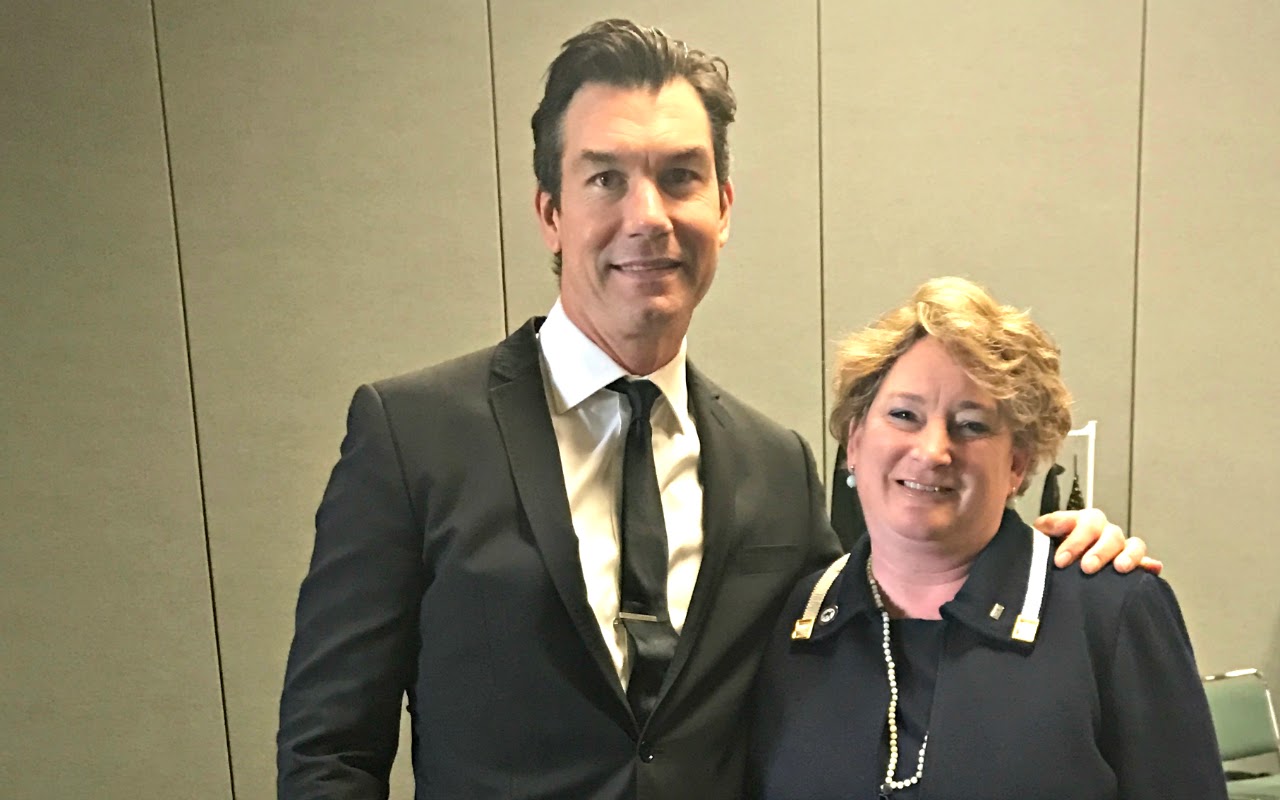
Jerry O’Connell and Laura Reeves
Listen in to our up close and personal visit with O’Connell. Hear his exclamations that the dogs are adorable and well-behaved, his experience with being groomed at the dog show, his commentary on where women store their bait and more.
“I’m the guy they bring in to ask the questions the people at home want to ask,” O’Connell noted. “It’s impossible not to smile walking across that floor.”
143 – Laura Reeves Sings 12 Puppies of Christmas
Laura Reeves Sings!
The last two weeks of the year are normally a quiet, restorative, hibernating time of year for folks. Even with celebrations, friends, family and feasting, the tempo gradually slows down as we take time to review the year past and contemplate the one ahead.
So Merry Christmas crew! As we each celebrate the holiday season in the fashion we choose, I just wanted to take a few minutes to say THANK YOU.
I mean, wow! The first Pure Dog Talk episode debuted Nov. 21, 2016… thirteen months later, we have created more than 140 episodes released on iTunes and just about every other available podcast delivery system. We built a huge, resource-rich website. And we’ve enabled well over 160,000 FREE downloads of knowledge and insight directly from the best in the sport to anyone who wants to listen and learn.
What an amazing gift you have given Mary and I. All of you…. Our listeners, our fans, and so many legends who generously shared your time, your memories and your wisdom. We literally would not be here without you.
Orlando 2016 to 2017
Last year at the AKC National Championship in Orlando, I walked a couple marathons worth of concrete floors, spreading the word about our brand spanking new venture.
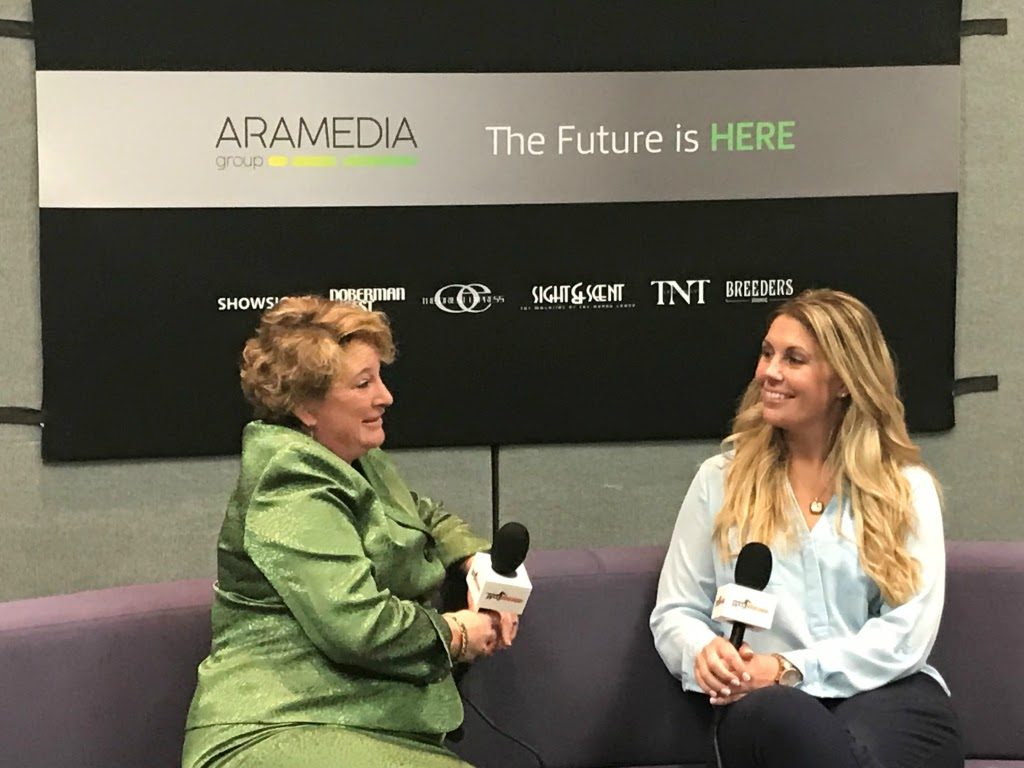
This year we were thrilled to announce we’ve joined forces with Aramedia Group, publishers of ShowSight Magazine, to enable the show to reach an even larger audience. Mary and I are no longer a two-girl band!
With AJ Arapovic and his outstanding team behind the show, we have some really exciting plans on the horizon. Each one of which is designed to continue serving our thriving community of avid knowledge seekers in bigger and better ways.
Sign Up and Join Us
We hope you’ve already signed up to join us. If not, just stop by the PureDogTalk.com or the Facebook page and click the “Don’t Miss an Episode” button. Your name and email address is all we need to keep you in the loop.
Puppies, Puppies, Puppies
Let’s continue Celebrating the History of our sport and Creating a bold vision of our future!
Meanwhile, as we all know, I can’t miss out on a teaching moment so here goes.
Puppies make everything better. Gramma always swore it was a hot bath that cured everything from the common cold to a broken heart
Newsflash gramma, it’s puppies. Sweet puppy breath, fat puppy paws, silly puppy antics, gumby puppies sleeping, noisy puppies eating. Puppies encapsulate all that is good and pure in the world.
Of course, there’s also puppy poopie and peepee; puppy gruel; six loads of laundry a day; sleep deprivation; random and limited opportunities to bathe, eat or socialize; no time for Christmas decorating; and, the attendant brain fog descending due to all of the above.
Puppies embody that spirit of renewal and cleansing that make the New Year such a joyous celebration.
As we bid farewell (and for many, good riddance) to a turbulent and divisive year past, let’s raise a glass to the hope, the joy, the pureness of purpose represented in our puppies.
These little ones, if we choose them as our guides, harbor hate for no one. Their affection is not restricted based on race, gender, sexual orientation, creed or national origin. They are equal opportunity employers of beseeching looks, demanding caterwauls at feeding time and sock destruction.
In an uncertain world, we can find comfort, courage, kindness and focus in the unquestioning trust of a puppy’s steady gaze.
Laura Reeves Sings 12 Puppies of Christmas – OMG!
And, because I believe we all need a laugh, especially at what can be a challenging time of year, please join me in a sing along of the “12 puppies of Christmas”…. (A Laura Reeves original production!)
On the first day of Christmas, my true love gave to me, a puppy in a sherpa bag…
(Caveat, never give a puppy for a Christmas present!)
On the second day of Christmas, my true love gave to me, two towel rolls for my puppy in a sherpa bag…
On the third day of Christmas, my true love gave to me, three air fresh’ners, two towel rolls for my puppy in a sherpa bag…
On the fourth day of Christmas, my true love gave to me four show collars, three air fresh’ners, two towel rolls for my puppy in a sherpa bag…
On the fifth day of Christmas, my true love gave to me, five cooooover ads… four show collars, three air fresh’ners, two towel rolls for my puppy in a sherpa bag…
On the sixth day of Christmas, my true love gave to me, six Sprinter tires, five cooooover ads… four show collars, three air fresh’ners, two towel rolls for my puppy in a sherpa bag…
On the seventh day of Christmas, my true love gave to me, seven shiny suits, six Sprinter tires, five cooooover ads… four show collars, three air fresh’ners, two towel rolls for my puppy in a sherpa bag…
On the eighth day of Christmas, my true love gave to me, eight sensible shoes, seven shiny suits, six Sprinter tires, five cooooover ads… four show collars, three air fresh’ners, two towel rolls for my puppy in a sherpa bag…
On the ninth day of Christmas, my true love gave to me, nine doggies dancing, eight sensible shoes, seven shiny suits, six Sprinter tires, five cooooover ads… four show collars, three air fresh’ners, two towel rolls for my puppy in a sherpa bag…
On the tenth day of Christmas, my true love gave to me, ten tongues a wagging, nine doggies dancing, eight sensible shoes, seven shiny suits, six Sprinter tires, five cooooover ads… four show collars, three air fresh’ners, two towel rolls for my puppy in a sherpa bag…
On the eleventh day of Christmas, my true love gave to me, eleven puppies squalling, ten tongues a wagging, nine doggies dancing, eight sensible shoes, seven shiny suits, six Sprinter tires, five cooooover ads… four show collars, three air fresh’ners, two towel rolls for my puppy in a sherpa bag…
And, on the twelfth day of Christmas, my true love gave to me, twelve friendly judges, eleven puppies squalling, ten tongues a wagging, nine doggies dancing, eight sensible shoes, seven shiny suits, six Sprinter tires, five cooooover ads… four show collars, three air fresh’ners, two towel rolls for my puppy in a sherpa bag…
Peace on earth, good will to mankind from all of us here at Pure Dog Talk.
Merry Christmas to all and to all a good night…