73 – Dog Grooming: Back to Basics for Better Coats
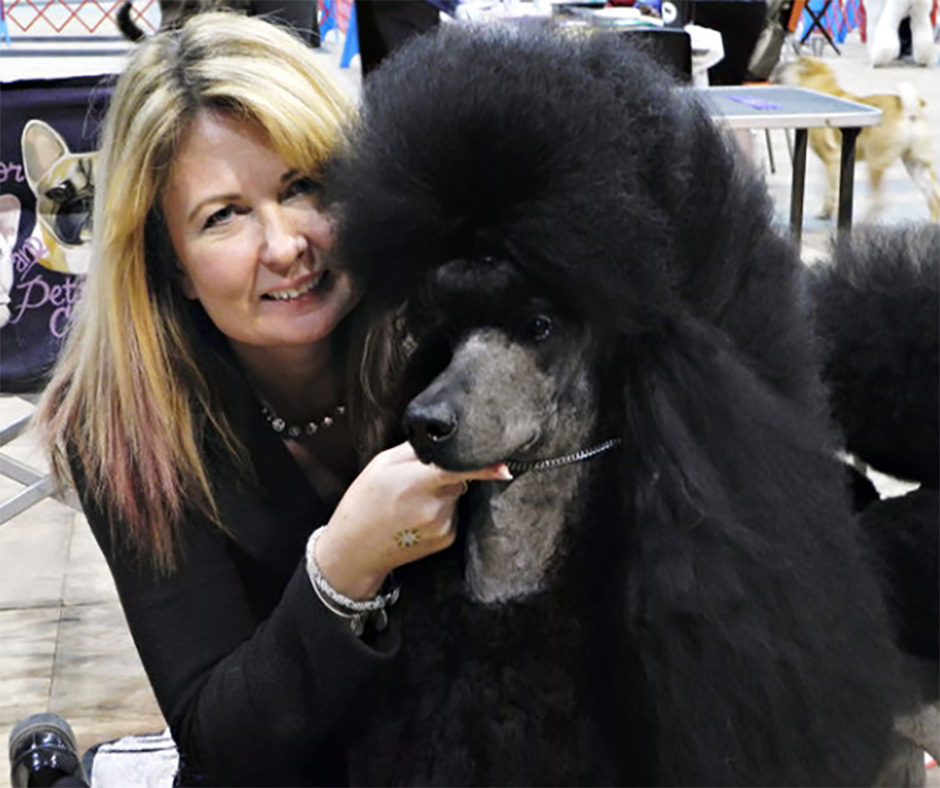
Grooming Back to Basics for Better Coats
Coat Care
Establish a Routine
Brushing the Coat
Train the Dog for Grooming
The Dreaded Toe Nails
Bathing
Drying
72 – Steve Gladstone: AKC Board of Directors and Cardigan Welsh Corgis
Steve Gladstone – AKC Board of Directors and Cardigan Welsh Corgis
AKC Judges Biography
Steven D. Gladstone, of Mount Pocono, Pennsylvania, sits on the AKC Board of Directors. He has bred and shown Cardigan Welsh Corgis under the Aragorn prefix since 1974, earning more than 100 AKC titles in nearly every aspect of the sport in which a Cardigan can compete. One of their most cherished memories was winning BOB at the 1984 AKC Centennial Show in Philadelphia under the noted Cardigan fancier Dr. Ed McGough. The Gladstones have also owned Norwegian Elkhounds, German Shepherd Dogs, and Australian Shepherds.
Mr. Gladstone began judging match shows in the late 1970s and was first approved to judge Cardigans in 1988. He now judges the Herding and Working groups and five hound breeds. Judging trips have included assignments in New Zealand, England, Canada, and most recently, Saint Petersburg, Russia. He also judged the AKC/Eukanuba National Championship show in 2003 and 2005.
Mr. Gladstone has been AKC Delegate from the Reno Kennel Club since 1999. Mr. and Mrs. Gladstone are members of the Cardigan Welsh Corgi Club of America, and each has served on the club’s board of directors over the years. They are also longtime members of the Pocono Mountain Kennel Club and the Penn Ridge Kennel Club, both in Pennsylvania.
Before serving as a Delegate, Mr. Gladstone represented members of the fancy for 15 years as their attorney. Those representations concerned most every possible problem that can arise in the sport, from disciplinary matters to judges’ applications to registrations, club relations, and studbook discrepancies. Through his experience in this field, Mr. Gladstone is “proud to have helped reshape the AKC Discipline Bylaws,” which he feels gives the fanciers “a truly fair and equitable disciplinary system.”
71 – Top Dog Dreaming: Professional Handler Laura King on the Road to #1 All-Breed
Top Dog Dreaming?
On the Road to #1 All-Breed with Laura King
Dreaming of owning or showing the top dog, the #1 All-Breed dog in the America? Laura King tells the fun and frustration, and the magic
Laura King
Laura King grew up in a show dog family with Belgian Sheepdogs and Schipperke. Today, she co-breeds English Cockers, Foxhounds and Springer Spaniels.
With Robin Novak, Laura King has been in contention for #1 All-Breed several times and tells you from her experiences just what magic it takes to be #1.
Manage Frustration and Timing
The more you win, the more rumblings are spoken that might set questions in the minds of the judges. Perhaps you win with lovely compliments under a judge, but the same judge awards another the next time out. There is no sure thing and just when you think you “figured it out”, the certainty of a win changes. Timing is everything. It takes planning and practice and pure luck to get it right every time. Scoring a “perfect 10” is not accidental, but the discipline of training the perfect 10 day in and day out.
Hours and Hours on the Road
Top Dog show schedule is grueling. You must have the right dog, with the right temperament, who can give 1000% week after week. As handler and caretaker, you must know what the dog needs and how it’s affected.
Financial Support
To campaign a top dog is a costly endeavor. Most important is to have clients that are cheerleaders, so on those difficult days, they are supportive of you and the dog.
Support System at Home
Most handlers have a string of dogs, or their own dogs and business to take care of at home. Support system of home care, training, and showing of young dogs, breeding and whelping, and someone just to pay the bills and handle emergencies is critical.
Sport Appreciation
The “sport” or “fancy” has to appreciate and respect the dog and the handler. No dog rises to the top without others believing and recognizing the breed quality and being a cheerleader.
After all, there are many great dogs just sitting in backyards at #20 in breed rankings. There is more to #1 than just a great dog.
Laura and her Talent for Special Needs Dogs
One key to Laura King’s success is her innate ability to feel and read a dog, and her intuitive comprehension of how to serve the special needs of a particular dog. Knowing whether a dog is difficult or just needs to decompress can look very similar in behavior, but how the handler should react are very different. The muscle tone, ears, eyes, and tail tell much of the dog’s needs.
Dogs Come First
Dogs come first. No matter what our dreams or agenda is… dogs come first.


70 – Movement Improvement: Expanding Dog Show Basics with Laura Reeves
Movement Improvement with Laura Reeves
Most important is to move properly for your breed. Don’t follow the crowd.
Basic Movement of the Dog – Episode 3
To refresh on the basics of moving your dog in the ring, listen to Episode 3 on PureDogTalk.
Movement Improvement – Down and Back
In episode 3, we covered 1, 2, 3, go….. and how to line up your dog with the judge. The judge wants to see your dog’s rear, not yours.
To improve movement, you need to see what you can’t from the end of your leash.
- Have someone else move your dog so you can watch.
- Have someone videotape you moving your dog to evaluate how you are both together.
How your dog is moving is one factor. How the two of you move together, is another story.
If your dog is crabbing or sidewinding, try slowing down or re-positioning the collar higher on the neck.
If the front is flailing and flopping, you may have too tight of a leash or holding the dog’s head to high – lower your hand and let the dogs head down.
Movement Improvement – Going Around
Reach and Drive is not correct in every breed standard. While an Afghan floating around the ring is gorgeous to watch, it’s difficult to achieve with a Bulldog.
Again, video tape is your friend.
Movement Improvement – Equipment
Laura covers different collars and leashes in this episode. Sometimes a metal chain bothers a dog with sensitive hearing, and a simple switch to a soft choke solves the problem.
Experiment with options to see how your dog performs.
69 – Dog Savvy Lawyer: Jen Amundsen – Puppy Contracts, Estate Planning and Pet Trusts
Dog Savvy Lawyer: Jen Amundsen
Dog Savvy Lawyer on Puppy Contracts
Puppy Contracts – you should have one!
Puppy contracts are are starting point for a conversation with puppy buyers about expectations. This is where you memorialize how you are going to work together, what you expect from the buyer, and confirm that your expectations are going to be met.
Send the contract in advance for them to read. Best to know if they didn’t hear anything that you said about limited registration or spay/neuter before they show up to pick up their puppy.
Legal Considerations
Let’s say you have a spay neuter in the contract but they breed. this is a very hard scenario. The mechanism for enforcement is a lawsuit, and even then establishing damages is difficult.
When you write the contract, put your home jurisdiction in it, and consider specifying the liquidated damages. It may not always work, but in writing is best.
From the buyer perspective …do not take it personally. Breeders should explain that it is to show responsibility and to ensure safety of the puppy. Consider adding a visitation clause with notice for checking on the puppy.
Estate Planning
Many have a will that includes the care of their dogs. However, a will only deals with after your death. If you are incapacitated, legal provisions should be taken for that situation.
A power of attorney that specifies who and how is to take care of your dogs and how they will be provided for is a good start.
Be sure to update a list of who the dogs are, and who they go to.
Pets are Personal Property
Pets are personal property and state specific law usually states that personal property passes to next of kin, whether that is who you really wanted or not. Be sure pets are clearly spelled out in your estate planning with contingent beneficiaries.
Pet Trusts
Most states now accept Pet Trusts that define the person to receive pets, a sum of money to care for the pets, and trustee that makes sure money goes to care of pets.
Call the Dog Savvy Lawyer for any advice or recommendations. We hope you enjoy the episode.
In Case of Emergency – from PureDogTalk
Considering the miles that we drive to and from shows, trials and field events…often late at night, remember these tips:
- Home Safe Buddy – Someone that knows when you should be home, what route you are driving, and your license number. TEXT or CALL your buddy when you arrive home safely.
- Authorization to care for your dogs, vet number, and emergency numbers in your glove compartment in case you are unable to answer questions.
- Identification on crates and dogs. Leashes attached to crates.

67 – African Basenji Project with Damara Bolte: Legendary Basenji Mentor
African Basenji Project Stories with Damara Bolte
Damara Bolte: PHA Handler, Basenji Breeder and Animal Sculptor
Enjoy the stories of a woman professional handler in the 1950’s, early days of Basenji’s in America, 33 years of working at National Institutes of Health’s “Mouse House” and more…
Damara Bolte’s sculptures can be found in the AKC Dog Museum, as commissioned works and awards.
The artist, Damara Bolte, has a strong background in Animal Husbandry and Livestock Judging. Graduating from Purdue University in Animal Husbandry, she studied sculpture in Paris under Messr. C. Delhommeau and retired from thirty-three years as a supervisory Animal Scientist at the National Institutes of Health. She has bred generations of Best in Show Basenjis under the Reveille prefix and also Mastiffs and Border Terriers.
66 – Free Stack Perfection: Dog Show Basics Expanded with Laura Reeves
Free Stack Perfection – Nail it Every Time!
Impress with the Best with tips from Laura Reeves.
In episode #2 we talked about the basic practice for training the free stack.
Free Stack – Tip #1 – Opposites Attract
When training the basic free stack, if you step towards the dog, the dog backs up. If you step backwards, the dog moves up. Step sideways or turn and the dog adjusts to your front.
Now we are going to put the leash on, use a little bait and set a perfect stack.
- Stand squarely in front of your dog. Shoulders back and good posture. Make eye contact affirming your watch command.
- Move forward to back you dog up. Back the dog until he sets his rear properly.
- Back up slightly until dog moves front feet forward. Use the leash gently if necessary. Reward immediately the perfect stack.
Free Stack – Tip #2 – Dancing with your Dog
Think Dancing with the Stars! Each dance partner has their own space. Shoulders back, posture erect, tummy in and balanced.
Slight movement in your body and your dancing dog adjusts. Both are bonded through eye contact. Your right hand is an extension and expression that mirrors the headset of your dog.
Free Stack – Tip #3 – Focus and Zen Mode Watch
In the basics we stressed the importance of a good watch command. Being able to maintain focus and eye contact is paramount. A good watch will keep your dog focused when there are distractions outside the ring.
Spend time doing the “Zen Mode Watch”. Practice it in relaxed situations with lots of positive reinforcement. Practice it until “Watch” is a reward in itself.
The Zen Mode Watch is an understated, elegant, confident, quiet focus. If you aren’t sure what this looks like, study Andy Linton and his amazing free stacks.
Extra Tip – Throwing Bait
If you must toss bait – don’t throw your bait in front of another dog. Don’t distract another dog. Be a good sport and be sure to pick it up.
65 – Purina Farms Event Center: Canine Competition Destination with Kaite Flamm
Purina Farms Event Center – Canine Competition Destination
Kaite Flamm – Senior Manager of Programming
Sixteen years in the making, the Purina Farms Event Center evolved from typical outdoor shows to the premiere canine competition destination. Agility, Conformation, Dock Diving, Tracking, Barn Hunt… you name it and your club can do it at the Farm. This multi-million dollar best in class center was built by dog people for dog people. Over 30 Nationals including Poodle Club of American were hosted this year.
Built for the Dogs from the Ground Up
Distinguished in design, the Purina Events Center was built from the ground up with dog competitors in mind.
Flooring
- Rubber padded floors help ease the full day’s of standing and walking.
- Light color selected to highlight dog coloring and visibility.
Electrical Heaven
Power reigns at Purina! Special outlets and system to handler the “blower” demand… even for Poodle Club of America.
Lighting
Close to natural lighting in the show arena and the same lighting for grooming hall… so what you see on the grooming table is what you see in the ring.
RV Parking and Rent-a-Trailer
Full hookups for RV’s that want to stay and enjoy the quiet nights on 346 acres of Purina Farms. Don’t have a trailer? No problem.
Trailers are delivered to the RV parking ready for you and your dogs. Your temporary home awaits.
Future Recommendations?
What’s in store for the future? Possibilities range from more box truck parking to additional Event Centers on the West or East Coast.
Have a suggestion? Let Kaite Flamm know about your great idea.
Thanks to Purina Farms for building us an Amazing Facility.
64 – Bloodhound Mantrailing and Canine Health Foundation Tick Program with Susan Hamil
Bloodhound Mantrailing, Canine Health Foundation Tick Program and more with Susan Hamil
Bloodhound Mantrailing vs. AKC Tracking
Bloodhound Mantrailing is a Bloodhound Club breed specific performance trial that differs from AKC Tracking. AKC Tracking is an all-breed event where the dog has to track every turn.
Bloodhound Mantrailing does not have to indicate each turn. Scents can be 18 hours to 36 hours old. Trails are variable surfaces – grass, parking lots, buildings, and the bloodhound has to give positive identification of the person that laid the trail.
Bloodhounds as Evidence Tools
Did you know that bloodhounds do more than find lost people or track criminals? They also are used as an evidence tool in court and investigation. An item is presented to the bloodhound, and the dog then “picks from a line-up” the person whose scent matches the item.
Susan Hamil – Quiet Creek Bloodhounds
#1 Bloodhound status belongs to Susan Hamil’s Quiet Creek Bloodhound line. However, Susan’s dedication to the Canine Health Foundation and its Tick and Disease prevention program demonstrates how excelled breeders and dog people give back to their sport. Listen as Susan Hamil discusses many of the challenges and accomplishments of the Canine Health Foundation and her role as an AKC Delegate.

San Miniato , Tuscany, Italy
63 – Conformation Basics Expanded #1 by Laura Reeves
Conformation Back to Basics for Summer Shows
Ready for Summer? Let’s start with a quick review:
Teach a dog to stand without stuffing food in it’s mouth…
Your show dog lunging at bait does not create a simple, clean and impressive picture. Train without handfuls of bait. Handfuls of food equals bribery, not training.
Watch the video below to see how this is accomplished.
Be Fair and Consistent – Don’t Expect what you don’t Train
If you don’t train a behavior such as a stack, don’t expect it in the ring. It’s just not fair. Put in the time if you want the reward. Remember, Olympic athletes win because of the discipline and training first, then their talents.
Conformation Common Battles
Rocking Horse or Racking Back
If the judge approaches and the dog racks back, you have an outside the ring practice issue. Laura explains a little of this in her personal story at the end of this episode but also:
Conga Line – At a show or kennel meeting with experienced dog people:
- Stack your dog
- Have first person approach with a smile and just touch your dog on the back and keep going, reward and release.
- Repeat with a slightly longer touch – don’t push it. Reward and release.
- Repeat with pat on head, touch on back, walk around rear and back to standing in the front away from the dog, reward and release.
- Get the picture… Don’t go to fast. If the dog reacts, go back a step.
Balance
Moving a foot or dancing in the ring could be as simple as poor stacking or stacking your dog in an uncomfortable position.
- Be sure to stack your dog appropriate to your breed.
- Practice stacking while looking in a mirror.
- Print photos of winning dogs and paste them to the mirror to compare.
Over Exuberant, Happy Happy
Yes, we want our dogs to have a good time. Yes, this is an issue if the judge cannot examine. Yes, this is lack of training the basics.
A happy, happy release from a stand stay is a reward. Watch the agility and obedience rings if this is a new concept to you.
Sit, Stay, and Stand are all trainable expectations. Practicing or “proofing” these expectations in dog show or public situations are part of your job to prepare your dog for the show ring. It doesn’t just “happen”.