

Posts by Laura Reeves
233 – AKC’s Team Scores on Detection Dog Legislation
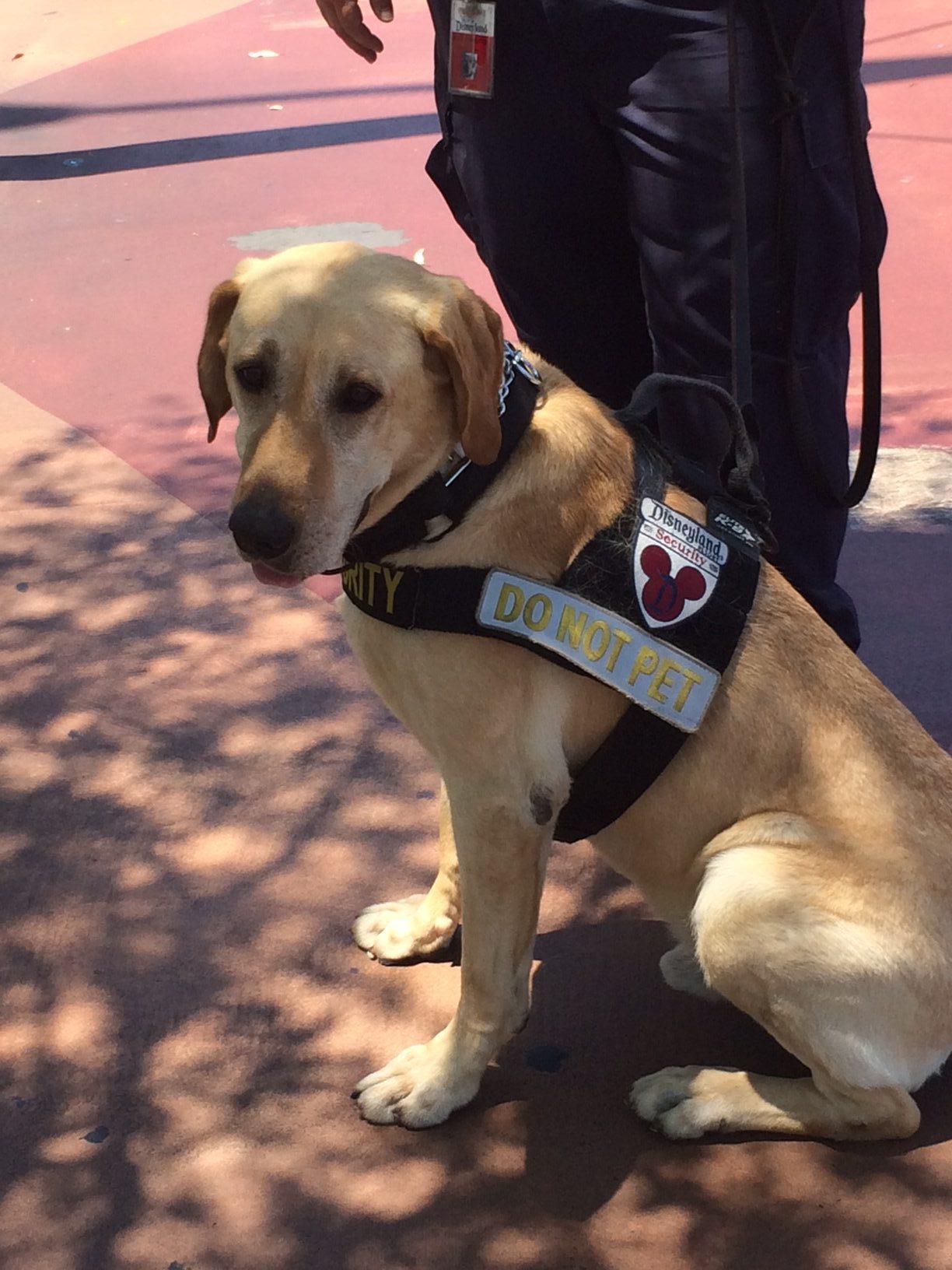
AKC’s Detection Dog Legislation Promotes Purpose Bred Dogs
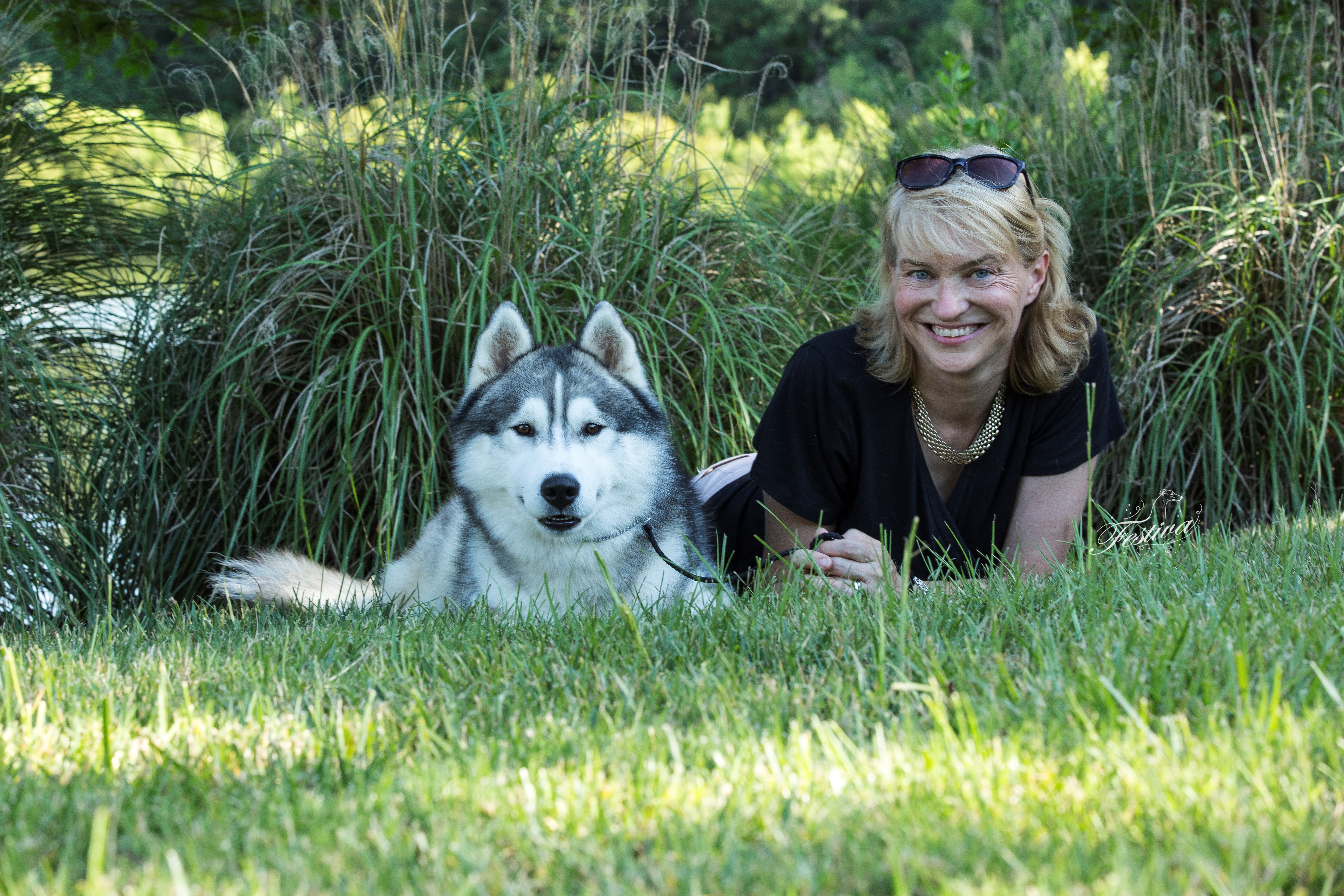
AKC Vice President Government Relations, Sheila Goffe and her Siberian Husky
Sheila Goffe, AKC Vice President Government Relations, joins me for a conversation about legislation and the old adage about law making and sausage making.
TSA came to AKC to address shortage of detection dogs in the USA several years ago. Dr. Carmen Battaglia led the development of the Detection Dog Task Force. The first legislation AKCGR worked on in this area was passed last year and required the government to provide a report on comparative expenses of acquiring dogs from overseas for this critical work. (Check out my interview with Mark Dunn from last year on that topic!)
Meanwhile, AKCGR and the Detection Dog Task Force have not rested on their laurels. Goffe has worked for years to establish relationships with legislators and create an “honest broker” reputation that came to fruition again this fall.
Passing new legislation
Congressman Mike Rogers (R-AL) sponsored the Domestic Explosives Detection Canine Capacity Building Act which easily passed the House and then stalled in the Senate. By attaching the bill to a “must pass” funding reauthorization, Goffe and her team were able to assure passage of this new legislation which creates a Public-Private working group to develop a decentralized breeding network.
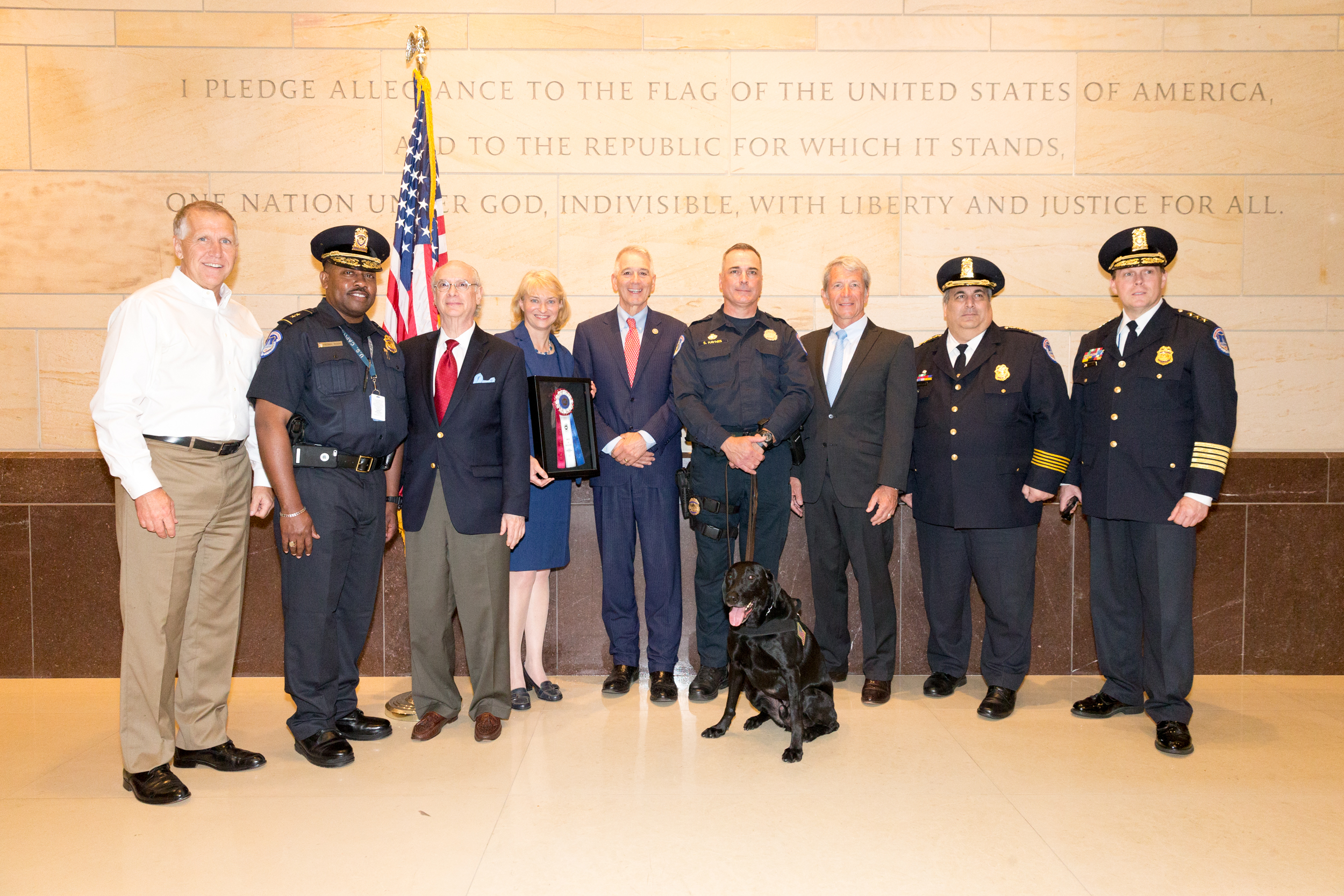
National Purebred Dog Day/Canines at the Capitol Event in 2017, with the award honoring the US Capitol Hill K9 Corps
Goffe said the very best part of the Congressional hearings was when a New York Congressman stood up and said, “We just need to breed more dogs.” This acknowledgement and support of purpose bred dogs and the breeders who create them at a legislative level is a huge leap forward, Goffe noted, in our ongoing battle to ward off anti-breeder sentiment.
This legislation ensures that US breeders will have access to support in building the best dog for the job of explosives detection. These dogs are high drive, stable minded, physically sound and have intense work ethics, Goffe said.
This team comprised of AKC, TSA, research universities and national experts in training, contracting, breeding will create a baseline of behavioral, medical, and technical standards for explosive detection dogs. Goffe is hopeful this can be accomplished before the end of 2018.
“This effort supports good breeders, is important to national security and is all about purpose bred dogs,” Goffe said.
Allison Foley stops by also with her Tip of the Week from the Leading Edge Dog Show Academy on dryer sheets and how they can be used effectively in the winter months!
232 – Veterinary Voice: Nutritionally Mediated Dilated Cardiomyopathy

Dog Food and Dilated Cardiomyopathy (DCM)
The UC Davis Cardiology Service has developed this document in response to the alerts from the FDA. These alerts identify an associated risk for some grain-free diets containing certain ingredients (legumes like peas, pea components, lentils; white potatoes, sweet potatoes) and a diagnosis of dilated cardiomyopathy (DCM).
Taurine Test Results Are IN – and It’s Frightful
https://www.fda.gov/AnimalVeterinary/ResourcesforYou/AnimalHealthLiteracy/ucm616279.htm
What is Dilated Cardiomyopathy (DCM)?
DCM is a heart muscle disorder that results in weak pump function and heart chamber enlargement. In the early stages of this disease, pets may appear totally healthy with no apparent clinical signs. Later in the course of this disease, dogs may have a heart murmur, an arrhythmia (irregular heartbeat), collapse episodes, weakness or tiredness with exercise, and even trouble breathing from congestive heart failure. While there are some breeds of dogs (like Dobermans) that have a genetic predisposition to the development of DCM, there are also nutritional factors that may result in this disease.
What should I do?
If you are feeding a diet of concern based upon the FDA alert we recommend that you consult with us or a veterinary cardiologist. UC Davis provides 4 general points for guidance below:
- An initial step is to consider whether you are willing or interested in performing additional testing to assess whether your pet is affected with DCM. If you believe your dog is at risk, showing any of the aforementioned clinical signs or would prefer to simply rule out any heart disease, we recommend that you first have your pet’s taurine levels tested as well as seek an echocardiogram by a board-certified veterinary cardiologist. Low taurine levels are associated with development of DCM in dogs and are sometimes a component of this current issue. Test results from dogs in our practice range from 181-347 nMol/ml. The low end is close enough to “at risk” to have us start taking action – changing diets and adding taurine.
Information on taurine testing can be found here: https://www.vetmed.ucdavis.edu/labs/amino-acid-laboratory
- At this time, diet change is recommended when possible and should be considered regardless of the results obtained from any testing. You can consult with us in selecting a new diet that avoids the ingredients of concern listed by the FDA. When selecting this diet, we recommend that you choose a diet that is manufactured with rigorous quality control measures and research behind the formulation. A way to ensure that your diet meets these recommendations is to follow the following guidelines that were generated by a large number of the world’s leading experts in veterinary nutrition. We recommend Hill’s Science Diet, Royal Canin/Iams and Purina. These companies have been producing dog food since the 1940s and do feeding trials on their food. Many newer companies only do AAFCO testing and don’t have a track record of successfully feeding dogs and cats for 70 years.
Food selection guidelines found here:
https://www.wsava.org/WSAVA/media/Arpita-and-Emma-editorial/Selecting-the-Best-Food-for-your-Pet.pdf
- If your pet is identified through testing to have a low blood taurine level or evidence of DCM by echocardiogram, we urge you to report this information to the FDA.
FDA reporting guidelines found here: https://www.fda.gov/AnimalVeterinary/SafetyHealth/ReportaProblem/ucm182403.htm
- Work with us to determine the best course of action and medical treatments if indicated. In the case of a DCM diagnosis, diet change alone may not be sufficient and additional medications may be prescribed. The current recommendation is to add GNC’s Taurine 500 mg tablets – at a dose of 1 tablet twice a day – for the next 3 to 6 months or 1000 mg twice a day for giant breed dogs.
Please continue to monitor the FDA website, www.veterinaryvillage.com and the UC Davis School of Veterinary Medicine Newsfeeds for updates and recommendations regarding this issue.
| Whole Blood nMol/ml | Whole Blood nMol/ml | |
| Normal Range | No known risk for deficiency | |
| Dog | 200-350 | >150 * |
| Cat | 300-600 | >200 * |
*Please note with recent increase in the number of dogs screened for taurine deficiency, we are seeing dogs with values within the reference ranges (or above the “no known risk for deficiency range”) yet are still exhibiting signs of cardiac disease.
231 – Researching Connections Between Ticks and Cancer, Other Disease
Research shows growing problem with ticks
Ticks are creepy crawly creatures we all love to hate. But they are also dangerous disease vectors transmitting deadly organisms. Dr. Diane Brown, CEO of the AKC Canine Health Foundation, shared incredibly

Dr. Diane Brown, CEO, AKC Canine Health Foundation.
valuable information about what her organization is doing to lead the fight against these diseases.
CHF funded research has identified a class of tick-borne organisms, called Bartonella. Bartonella invades the host’s blood vessels and can cause inflammation in the heart.
“What if that (bartonella infection) is the early trigger that leads to chronic inflammation in the blood vessels,” Brown posits, “potentially leading to the development of cancer.”
Current CHF funded research is looking at bartonella in association with hemangiosarcoma, literally cancer of the blood vessels.
“It’s a little controversial,” Brown said “but there’s a lot of impetus driving the research in this direction.”
Tick-borne organisms associated with deadly disease
The Foundation’s research also has shown immune mediated hemolytic anemia can be associated with tick borne disease.
“It’s critical to test these dogs for an underlying tick borne infection before treating them with steroids that can just exacerbate the problem,” Brown said.
The CHF initiatives are working on broad spectrum of vectors that impact the health of dogs, Brown noted. She added that new tick species and diseases are discovered every year.
“Tick preventives are key to keeping your dog healthy,” Brown said. With the rising number of “co-infections” she noted that testing for more than one disease is imperative.
CHF has a three-prong approach to this burgeoning crisis. The non-profit funds research focused on diagnosis, new therapies for treatment and prevention.
Hear more on this topic with CHF Board Member Susan Hamil:
Additional Resources from CHF:
CHF Tick-Borne Disease Research Initiative landing page; includes grants, research publications, webinars, podcasts, news, and other resources
White paper:
http://www.akcchf.org/canine-health/sporting-field-dogs/Tick-borne-Disease.pdf
Lyme Disease Fact Sheet:
Ticks and Zoonotic Disease Webinar with Dr. Ed Breitschwerdt:
https://www.vetvine.com/article/274/akcchf-tick-borne-diseases-event
Diane Brown, DVM, PhD, Dipl. ACVP, is the Chief Executive Officer and Chief Scientific Officer for the AKC Canine Health Foundation (CHF). She joined CHF in August 2015, and oversees operations and scientific programs from its Raleigh, NC headquarters. Her role is to cultivate and execute the Foundation’s research and education strategy in collaboration with its Board of Directors, Scientific Review Committee, external collaborators, principal investigators and staff to ensure strategic, responsible, and innovative application of donor funds to uphold the Foundation’s Mission to advance canine health.
Dr. Brown is a board-certified veterinary clinical pathologist who holds a DVM and PhD in pathology from Colorado State University. As an independent investigator and comparative pathologist, Dr. Brown served as a member of the faculty at Harvard Medical School, as director of the Comparative Clinical Pathology Laboratory at Massachusetts General Hospital, and as consulting pathologist at the University of Colorado. She previously served as Chief Scientific Officer for Morris Animal Foundation, and currently holds an affiliate faculty position in the Department of Molecular and Comparative Pathobiology at Johns Hopkins University School of Medicine. She has held prior affiliate faculty appointments in the veterinary schools at Tufts Cummings School of Veterinary Medicine, Colorado State University and Purdue University.
230 – Storm Kloud Alaskan Malamutes: Continuation of a Dream
Storm Kloud team of Alaskan Malamutes proved their heritage in 1994
After two years and 3,000 hours of training, Nancy Russell’s Storm Kloud Alaskan Malamutes were ready to compete in the iconic Iditarod Race in 1994.
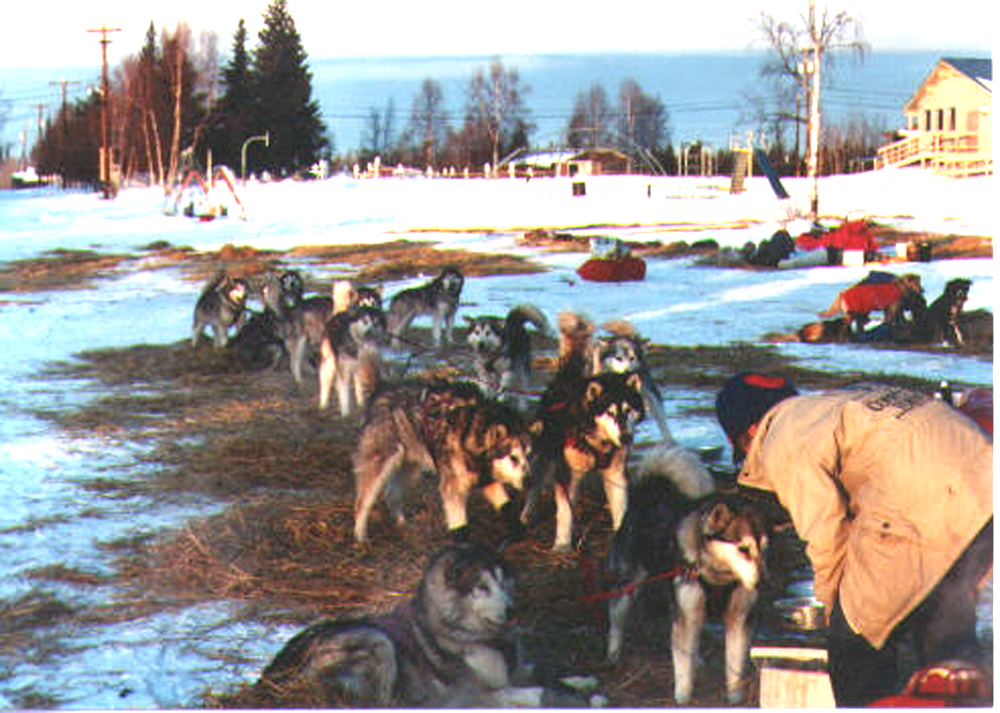
Storm Kloud Alaskan Malamute team at a check point on the Iditarod in 1994.
Russell shares her stories of this epic journey, noting that she was proud to show that “Our dogs can still go on and do what they were bred to do.”
Twenty below for eight days
Russell and her crew drove with the five females and 10 males, all but one bitch intact, that made the final team. “It was 20 below zero when we left Minnesota. And it never got above that for eight days, all the way to Alaska,” Russell said.
“There was no snow in Anchorage,” Russell said “so they hauled in snow and put enough on the street to run the teams 15 blocks. Because a driver would not be able to set a snow hook if they had trouble with a team, an extra person had to ride with them. Therefore I got to ride in the sled for the ceremonial start of 15 blocks that year. Jamie chose 5 Champions and Josh to run as only 6 dogs were allowed in the team.”
Dog aggression was a major concern for the race organizers, Russell noted. The Alaskan Malamutes of the day were considered very “tough.” Part of the hours of training was that “we had to be sure the dogs could pass (another team of dogs) without causing problem before would be *allowed* to run this team,” Russell said.
Show dogs to team
Another obstacle, Russell said, is that the “show dogs” had to learn to be part of a team. Of the 15 dogs on the team, 11 were or became show champions.
“Show dog is not a team event,” Russell said. “Going from ‘I am the coolest’ to teamwork was a huge issue for Jamie (Nelson, the professional musher who trained and ran the team) to overcome. She had a hard time getting the dogs past people with cameras… the dogs were so convinced they were cool…”
Russell was amazed that the dogs actually gained weight along the route of the race. She noted that the dogs would push away the straw put down for bedding and held up well in the arctic environment of their heritage.
Danger on the trail
“When Jamie arrived at Finger Lake she went into a Dodge Lodge (tent furnished for the mushers) to sleep,” Russell said. “Later she woke as she was cold and went to get her sleeping bag. She was unable to stand and crawled out and then realized they were being asphyxiated from the stove. She crawled back in and turned it off and tried to wake the other mushers but could not wake them. She called for help and Beth Baker MD who was in the checkpoint heard her and they got them out. Jamie and Beth received the Sportsmanship award for saving the lives of the other four mushers.”
Eskimo welcome
The native people were thrilled when the team arrived near their communities.
“When they got to the Eskimo villages, the school teachers let kids come out of school to see the Malamutes,” Russell said. “One elderly gentleman came and brought his grandkids. He said ‘you have to see these dogs. This is what we used to have.’”
The struggle, Russell said, was the dogs’ feet. The weather was unusual that year, she noted, with rising temperatures causing rivers to melt.
“The dogs went through the river,” Russell said, “but the conditions caused a number of dogs to have feet susceptible to injury.”
Feet are the foundation
Despite special boots designed for the dogs, the team was struggling with ice balls in their pads and swollen feet in the boots.
“I do feel people are breeding smaller, tighter feet because they are pretty, not because they are functional,” Russell said. “The snowshoe foot, as described in the standard, doesn’t look as nice in the show ring.”
The dogs’ feet were what caused them to end their run after 640 miles of the 1,500 mile race, Russell said.
“Here I was in Ruby, more than halfway through the race, trying to make the decision. The dogs’ feet had gotten progressively worse in the last 300 miles. When I bootied them they swelled up. When I ran without, they snowballed within a few miles. The vets and I had tried everything we knew. I was running out of options. It seemed such a shame. For the most part, their bodies were like fine-honed machines. They could easily have completed the course. Only their foot problems were to let them down. Yet they were the feet that had carried me close to 600 miles in less than seven days through some of most rugged country Alaska had to offer. To take advantage of their willingness to please and push them on in their condition wouldn’t give us any more answers, only serve to inflict unnecessary pain. I thought back now to the time we had spent training together. I had worked with some these guys for four years and trained intensely for the better part of the last two years. They had taxed every bit of my knowledge on training. They had tried me every step of the way and through this I had grown to love these guys. But, it wasn’t just love I was feeling now, it was something else. They had developed a trust in me, a trust that I would always do what ‘s right for them. A bond of trust that is stronger than love or even life itself, a trust that once broken can never be regained. I went back and took another look at their feet, then I looked into their eyes, and the decision was made.” — Musher Jamie Nelson
By any calculation, 15 show dogs running in harness for 640 miles in the brutal arctic conditions is a tremendous accomplishment. Russell remains proud of her dogs’ ability to prove the breed can still do its job in the most extreme conditions. Listen to part one of this story here.
229 – Allison’s Insights from the World Dog Show

World Dog Show unites dog enthusiasts
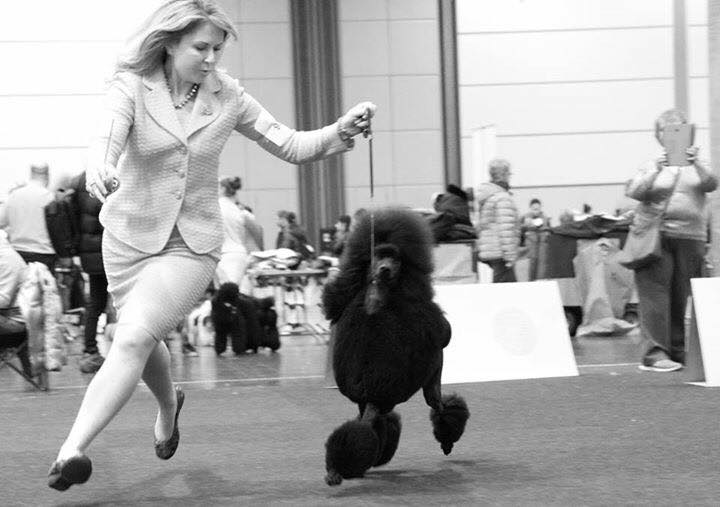
Allison Foley at the World Dog Show 2017 in Germany.
Allison Foley talks with host Laura Reeves about the incredible spectacle that is the World Dog Show.
“The World Dog Show really does bring the dog world together in one place,” Foley said. She added that this year’s event in Amsterdam was particularly well attended by dogs and fanciers from North America due to the relative convenience.
“There are lots of direct flights to Amsterdam,” Foley noted. “The show allowed dogs to be shown that are legally docked in the country where they were bred, which was not the case in Germany last year.”
The World Dog Show in Amsterdam boasted an entry of just under 22,000 dogs. The enormous difference in numbers relative to North America led to tremendous depth of quality in every breed, Foley observed.
Quality throughout
“You’d watch a ring and there would be five dogs in a class that could win 25 Bests In Show,” Foley marveled. She also made the comparison that while North America groups rings are hyper competitive, even at smaller venues, they are rarely as deep in quality at the breed level.
At the World Dog Show, Foley opined, the breeds are so deep quality that the judges are less forgiving of even minor faults or failures of performance.
Written critiques
Written critiques are a frequently requested item in North America and are a requirement for every class placement at the World Dog Show. Each ring has three stewards, one of which is designated just for writing critiques.
Foley noted that in her experience, the Crufts written critiques are more in depth than most at WDS. She observed that many critiques she read were generic and not particularly breed specific.
Judging at WDS is fascinating, Foley remarked. She noted that many of the dogs with big predictions to win often don’t even make it out of the breed. Although she added that good dogs shine through, even in the enormous entries.
WDS 2019 in China
“This is a tough topic,” Foley said. “Dogs are not always treated well in China. There was a lot of discussion on this topic at this year’s show.
“As dog lovers, purebred dog lovers, any opportunity that we have to show dogs in a positive light as a companion or working animal to the public that isn’t educated that this is a thing is a golden opportunity. My job is to educate as many people as possible that dogs are wonderful companions and working companions. And that this is how we should humanely treat them for their entire lives.”
Allison adds her tip of the week from Leading Edge Dog Show Academy on keeping our dogs’ coats safe from sun damage.
And check out new tips from Show Dog Prep School, Trupanion and American Dog Fancier!
228 – Alaskan Malamute Breeder Pursued a Dream to Run the Iditarod
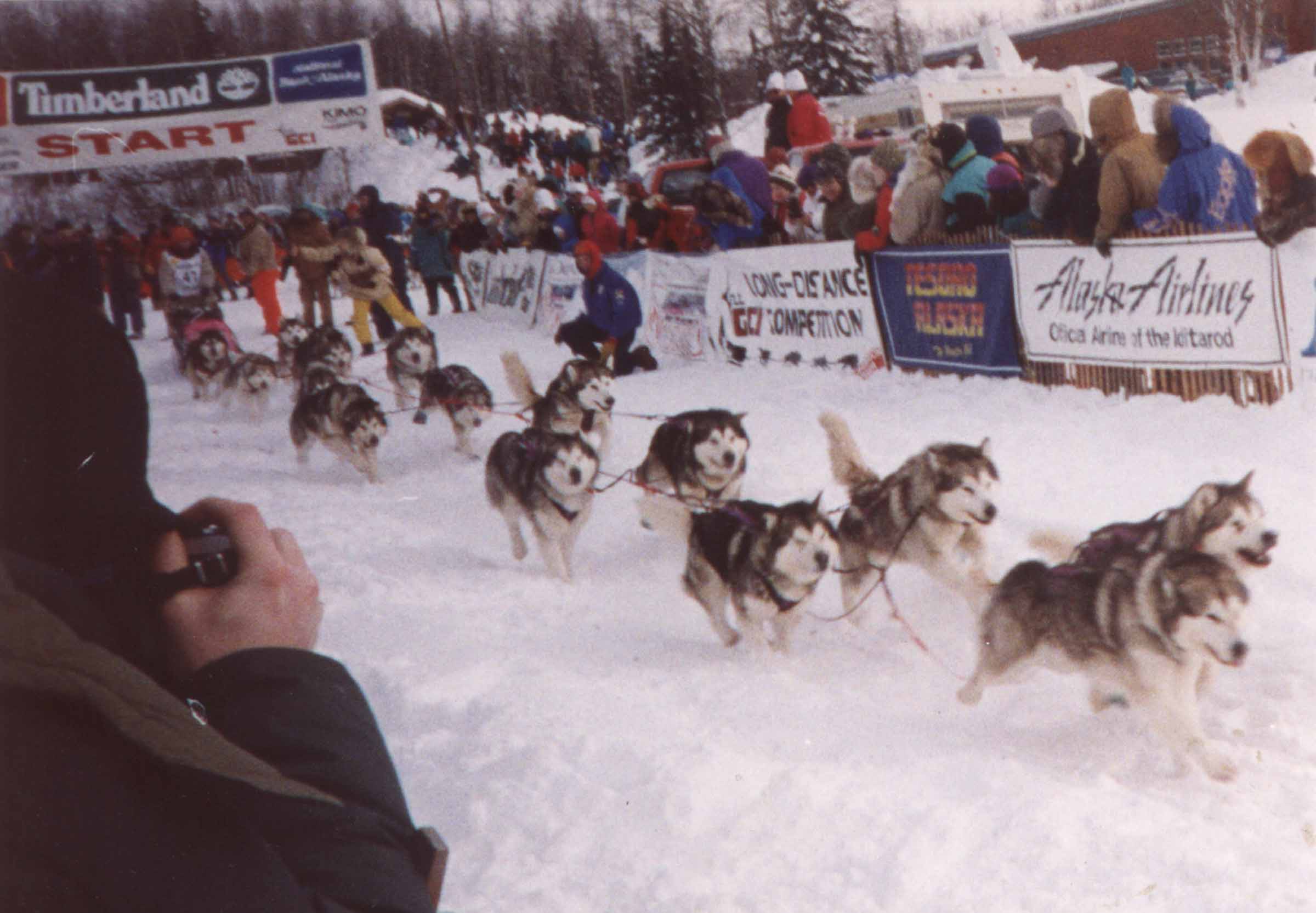
Legendary Storm Kloud Alaskan Malamute Breeder Nancy Russell Shares Her Story

Nancy Russell, breeder of Storm Kloud Alaskan Malamutes
In 1994 Nancy Russell bred and fielded the only AKC registered Alaskan Malamute team to ever enter and compete in the Iditarod. In part one, today’s talk, she shares the foundation of that journey, her breeding program and some of the incredible stories along the way. In part two next week Russell takes us through the arduous process of actually competing in the greatest endurance race on Earth.
Russell acquired her first Alaskan Malamute in 1964. She became involved in showing dogs, like so many of us, by going to her first dog show at the suggestion of her mentor.
“I got a blue ribbon and a trophy,” Russell said. “(My dog) beat two other dogs. I was hooked.”
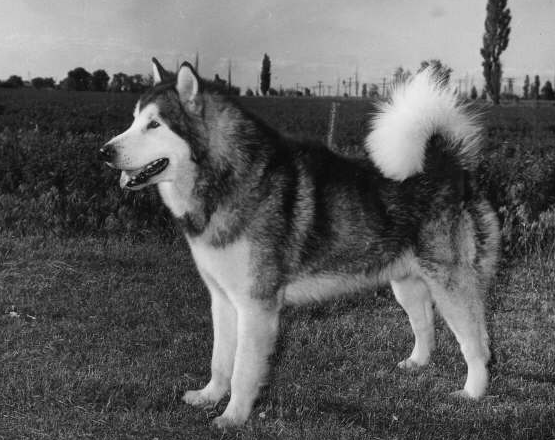
Champion Glacier’s Storm Kloud, the foundation of Nancy Russell’s breeding program.
At that show Russell saw what “I still believe is the best Malamute I’ve ever seen.” His name was Bear, Multiple Best In Show, Best In Specialty Show, American/Canadian/Mexican/International Champion Glacier’s Storm Kloud CD ROM ROM-OB ROM-WD CAM.
Bear was bred to Russell’s foundation bitch and she also eventually purchased him from his breeder. Inbreeding on Bear laid the foundation that produced the entire 15-dog Iditarod team, 11 of which were show champions.
Russell said she was always fascinated by Alaska, mushing and, the ultimate, the Iditarod. She dreamed of competing with a team of Malamutes in the 1,150-mile race from Anchorage to Nome, Alaska.
“To me this would be a real test of the Alaskan Malamute’s ability to go back and do what it was bred to do,” Russell said.
Professional musher Jamie Nelson, from Minnesota, trained, conditioned and developed the team.
“I could never have gotten the team to the Iditarod without the help of Jan Richards,” Russell said, “who took a 6 months leave of absence from her teaching job to move to Jamie’s and help with the organizing of the supplies, correspondence and help with training with an extra team. Mark Scepanski spent a year helping Jamie train both the Malamute and her Alaskan team.”
Enjoy today’s journey through time as Russell shares more than 50 years of insight on breeding, training, socializing and judging the Alaskan Malamute.
For more information, visit:
227 — German Pinscher: All-Purpose, Robust Dog for Active Owners

German Pinscher is up for anything, but not for everyone
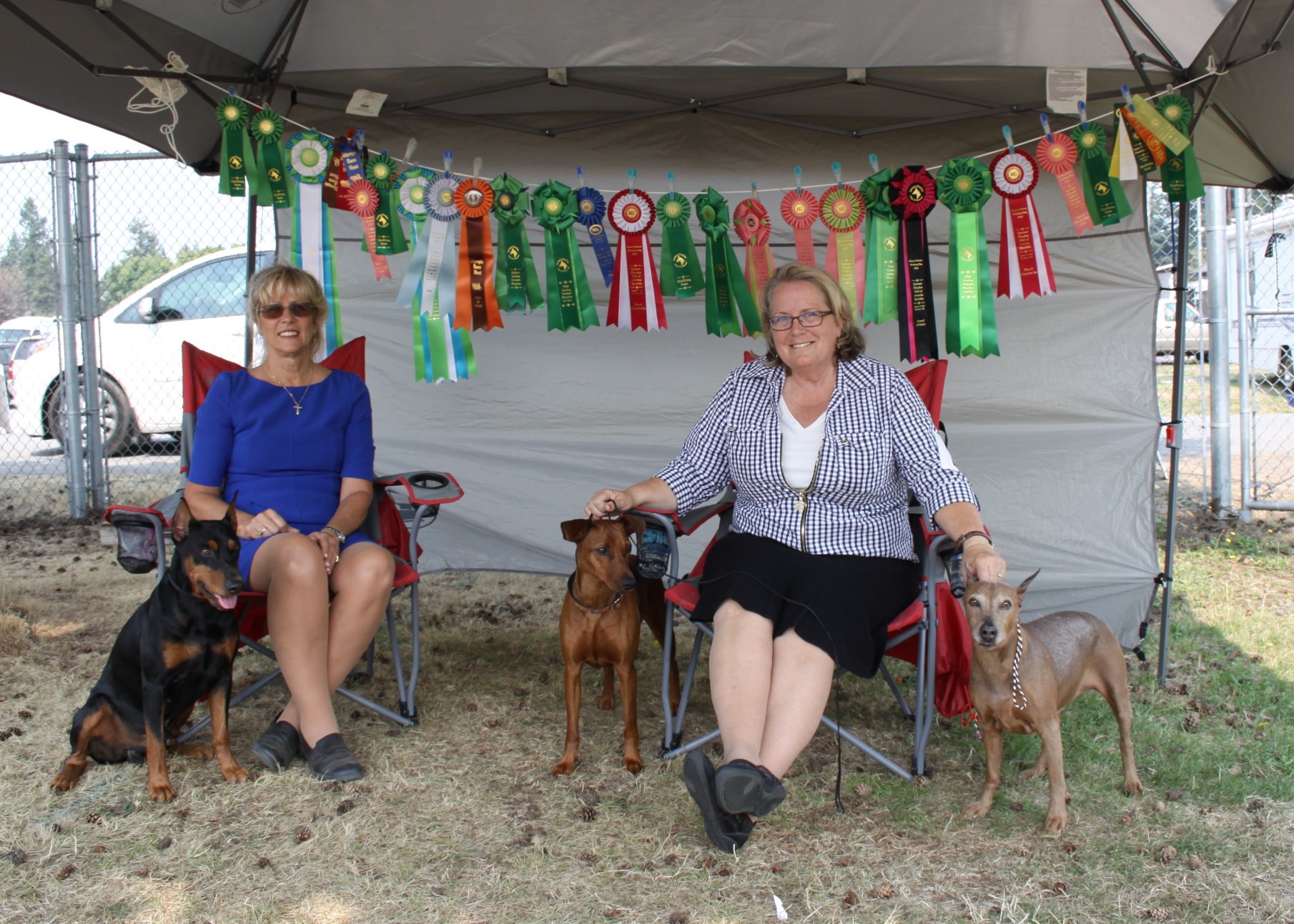
Valerie Vihlen Schluter, left, and Janet Oatney, right, show off their winnings and their dogs at the GPCA national specialty in Washington.
I visited with German Pinscher fanciers at the GPCA national to learn about this ancient breed. Valerie Vihlen Schluter and Janet Oatney were kind enough to share their enthusiasm and words of advice for potential owners.
German Pinschers date to the 1800s. This family farm dog was the foundation for Doberman Pinschers and Minature Pinschers. They are also split off as the “smooth coat” variety of the dogs that became the Standard Schnauzer. In fact, in Germany to this day, Oatney said, the Pinscher Schnauzer club remains united.
Like so many other purebred dogs, the German Pinscher was salvaged after the devastation of WWII. Werner Jung, the breed warden, smuggled a GP bitch out of East Germany and mated her with oversized Miniature Pinschers to establish the modern breed.
A Ferrari vs a Cadillac
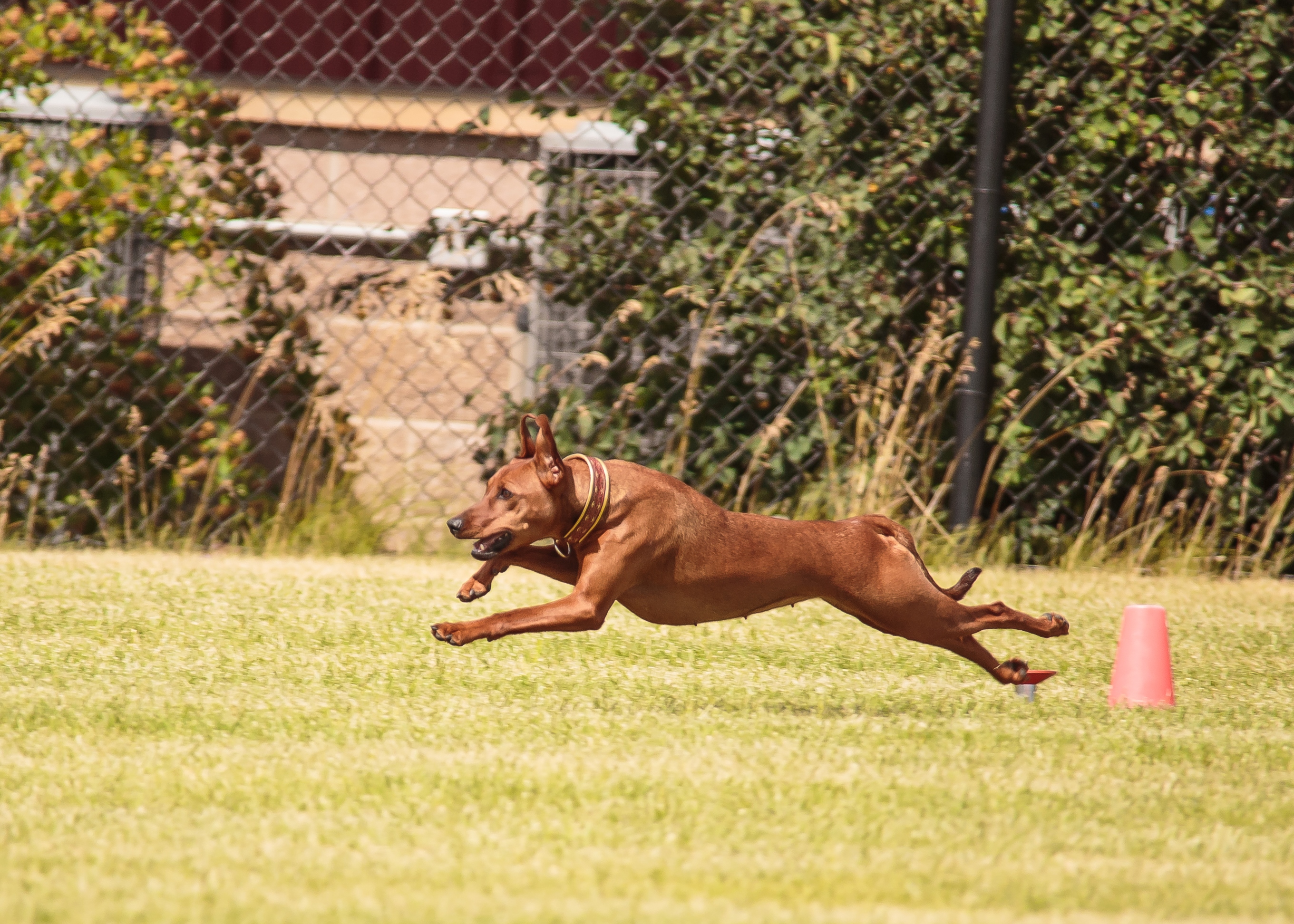
German Pinschers excel at many sports, including Fast CAT.
“These dogs are competitive in all kinds of sports,” Oatney said. “They take an experienced dog owner. They are not a good breed for the first-time dog owner.”
Ferrari and Cadillac are both great cars, Oatney offered as a comparison. “These are like the Ferrari of dogs… You need to be on your toes.”
Vihlen Schluter also noted that because the breed is so in tune with its owners, they can make excellent service and therapy dogs. In this arena, the breed boasts a FEMA certified disaster assistance dog that dispatches to disaster areas to comfort victims.
The German Pinscher Club of America has excellent resources available at https://germanpinscher.org/
From the national club:
A Working Dog of Great Intelligence
An ancient breed of great intelligence and high energy. They are medium sized and robust with a strong prey drive. Alert and intelligent, they are outstanding performance dogs as well as companions with an instinctive drive to protect home and family. Because of their strong will, intelligence and independent nature, obedience training is a MUST!
AKC Standard
The German Pinscher is a medium size, short coated dog, elegant in appearance with a strong square build and moderate body structure, muscular and powerful for endurance and agility. Energetic, watchful, alert, agile, fearless, determined, intelligent and loyal, the German Pinscher has the prerequisites to be an excellent watchdog and companion.
Allison Foley, Leading Edge Dog Show Academy, offers her Tip of the Week on using available classes to best showcase your individual dog.
And learn more about Trupanion’s “breeding rider” insurance policy with Harin Greer.
Don’t forget to check out Pure Dog Talk’s new online store for great swag!
226 – Jane Killion Shares the Evolution of Puppy Culture

Jane Killion on Puppy Culture for New and Experienced Breeders Alike
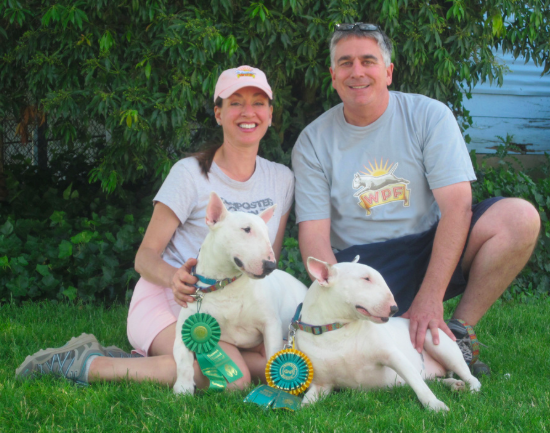
Jane Killion, Mark Lindquist and Bull Terriers.
One of my most frequently requested interview subjects, Jane Killion, author and breeder, joins me today to talk about how Puppy Culture got started and why even experienced breeders should check it out.
Killion is a Bull Terrier breeder since 1997. She wanted to do some performance sports with her famously not very tractable breed. So, she wrote a book called When Pigs Fly to help folks train their non-biddable dogs in agility.
When that took off, Killion left her corporate job with the intention of making a video about the book. Meanwhile she had a litter due and said, to herself, “Wouldn’t it be fun to video development periods in Pat Hastings Puppy Puzzle book.”
Explosion of demand
“Four years later, we have a five-hour DVD and an entire series of protocols per development period,” Killion noted. “I thought it would be a 20 minute video!” That idea changed and developed as Killion saw how deep the topic was. So she reached out to scientists, experts, dog trainers to add information.
“Puppy culture isn’t really anything new,” Killion said. “It’s the gift of wisdom passed to me by my mentors and augmented with science. It’s what we all do, but more organized.”
Like many of us who have breeding dogs for an extended period, Killion said she did most of the things noted in the book. She noted, though, that “doing things as you go along is ok, but not optimal. You start observing puppies and really getting in heads. Breeders start to look at puppies like a behaviorist vs a breeder.”
Puppy Culture is “what I wish someone could have put into my hands when I had my first litter,” Killion said.
Protocols based on behavioral markers
One of the primary pieces of the program, Killion added, is to peg socialization and experience protocols to a puppy’s individual behavioral timeline, not a temporal timeline.
“For example, our puppies at 6 weeks enter the Curiosity period ,” Killion said, “– the highest approach and lowest retreat time – which is a great time to do heavy in home socialization. Other breeds, that period arrives at drastically different ages.”
The days of breeders with everything in their heads who are willing to share are gone, Killion noted.
“We’re trying to step into that void. Puppy Culture, we call it a mentor in a box,” Killion said. “Like you, we’re people who have a passion, with the overarching goal of infecting the next generation with our enthusiasm.”
225 – Fighting to Preserve our Breeds and their Purposes
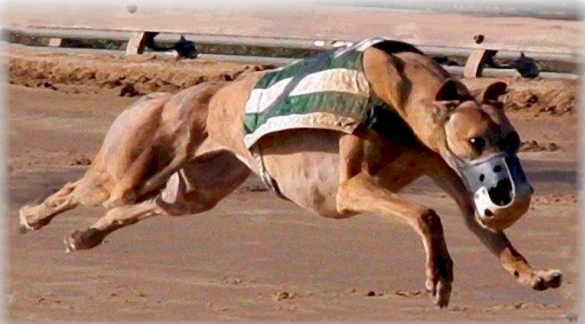
Inside the battle to preserve racing Greyhounds
Jennifer Newcome, chair of the committee to support greyhounds, joins me to talk about the fight to preserve Greyhound participation in a sport they love and the current ballot initiative in Florida to ban betting on Greyhound racing.
The proposed legislation is a Constitutional amendment that effectively allows Animal Rights extremists to define what constitutes humane treatment of animals, rather than breeders, owners and exhibitors, Newcome said.
Equating a dog’s purpose-bred job with inhumane conditions, is a “terrifying” concept, Newcome added. It creates a vehicle for banning all activities with animals at the constitutional level.
From the Greyhound Club of America:
About The Greyhound
Purpose
The Greyhound is a sighthound and one of the oldest breeds of dogs. Sighthounds are hunting dogs that pursue running game by sight rather than by scent. This manner of hunting is called “coursing”. The attributes of speed, agility, strength and endurance are necessary to catch and hold game. The feature that distinguishes Greyhounds (and sighthounds) is their ability to run at speeds of 35 miles per hour or more using the double suspension gallop. The Greyhound demonstrates the double suspension gallop in its highest perfection. Their incredible speed comes from the singular combination of skeletal structure, musculature, and the ability to focus completely on the object of the chase.
Greyhounds and other sighthounds course game independently of humans. Sighthounds are unlike other breeds such as herding dogs that take signals from humans when moving sheep from pasture to pen or sporting dog breeds that range out to point and hold birds in one spot until their human indicates it’s time to flush. Once the chase is on and the Greyhound is on its way, there is very little you can do to intervene until the chase is over.
Newcome encourages all Florida residents to vote no on Amendment 13 to protect all of our rights to enjoy the various sports we play with our animals. The American Kennel Club and National Animal Interest Alliance also oppose this legislation.
224 — Veterinary Voice: Pyometra is an Emergency
Pyometra is a life threatening disease
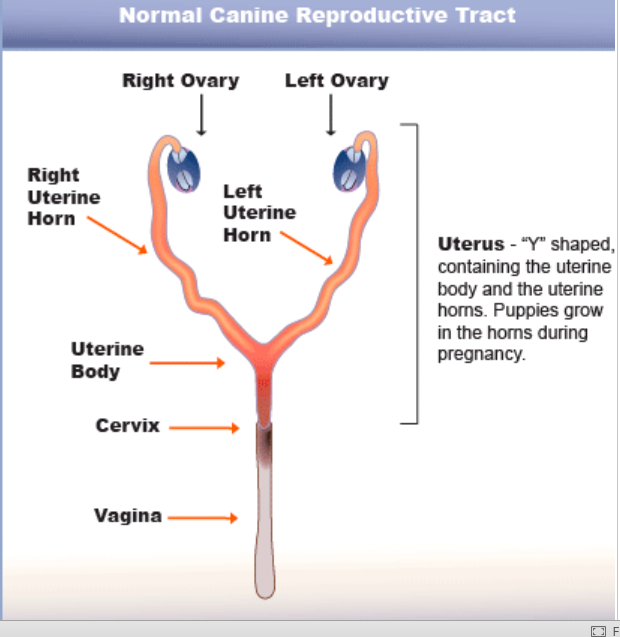 Pyometra is a severe bacterial infection with accumulation of pus within the uterus. Though it often occurs with middle-aged or older unspayed females, younger dogs are sometimes affected. Pyometra most commonly develops a few weeks after a heat cycle. The condition results from hormonal changes that decrease the normal resistance to infection. As a result, bacteria enter the fluid in the uterus and large volumes of pus can accumulate.
Signs of Pyometra include loss of appetite, excessive thirst and urination, lethargy, and/or vomiting. Sometimes, there is a vaginal discharge. The disease may develop very slowly over several weeks.
This condition often requires emergency surgery, provided the animal is stable. Surgery consists of removing both ovaries and uterus, which not only corrects the condition, but also eliminates bothersome heat cycles. Because the patient is ill and the uterus is infected, the surgery is more complicated and carries a higher risk than a routine spay. Ultrasound and blood tests are useful in both diagnosing and evaluating surgical risk. Post-operative treatment includes antibiotics and intravenous fluids.
For dogs who are in a breeding program, Dr. Marty Greer, DVM provides information in the podcast about medical management that may avoid the spay surgery.
Pyometra
From Dr. Greer…. “Your pet has presented with a condition called pyometra, or a uterine infection. These can be life-threatening, and most cases will not resolve without surgery. Pyometra usually occurs 1-5 weeks after the last heat cycle. In this illness, the uterus has filled up with pus (white blood cells and bacteria) and is at risk for rupturing if not treated immediately.
Prior to surgery, we will stabilize your pet with intravenous fluids, antibiotics, and pain medications. Most patients with pyometra are very sick – with either a very high or very low white blood cell count, fever, dehydration, a low blood sugar, and vomiting and diarrhea. As soon as your pet is able to tolerate anesthesia, we will start surgery to remove the uterus.
Your pet will be in the hospital for at least 2-5 days, depending on how she does during surgery and afterwards. It is important to know the possible complications of pyometra surgery. These include:
- Peritonitis is the most common. This means infection within the abdomen. It is treated with antibiotics, IV fluids, and may require additional surgery and drainage.
- Rupture of uterus in surgery. The uterus is often very thin and easily damaged. It is possible that it can rupture during surgery, spilling pus into the abdomen. This can prolong the hospitalization for several days.
- Aspiration pneumonia. Fluid and food sometimes bubble up into the throat and mouth during surgery. This can be inhaled into the lungs, leading to pneumonia. Every precaution is taken to avoid this, but it still happens in some cases.
- Sepsis, systemic inflammatory response syndrome, acute respiratory distress syndrome (ARDS), and disseminated intravascular coagulation can also occur before, during, or after surgery. These are uncommon complications in which the white blood cell count drops, the patient develops or continues to have a fever, sometimes develops difficulty breathing and difficulty with normal blood clotting. These are not common but can occur. If they do, very aggressive treatment must be undertaken to save your pet and can significantly prolong hospitalization and lead to death.
- Acute kidney failure can occur before, during, or after surgery. This is not a common complication but can happen. Often patients will also have a urinary tract infection. Once your pet is stable, eating, comfortable and able to take oral medications, discharge home can be discussed with the doctor. ”